Postoperative cognitive dysfunction, a condition in which patients experience declines in memory and thinking after surgery and anesthesia, has long been linked to two biological processes: neuroinflammation and mitochondrial dysregulation. What has remained unclear is how these processes connect.
The research team, led by investigators at the Second Affiliated Hospital of Anhui Medical University and collaborating institutions in China, focused on a signaling cascade involving AMP-activated protein kinase, or AMPK, and two downstream proteins known as PINK1 and Parkin.
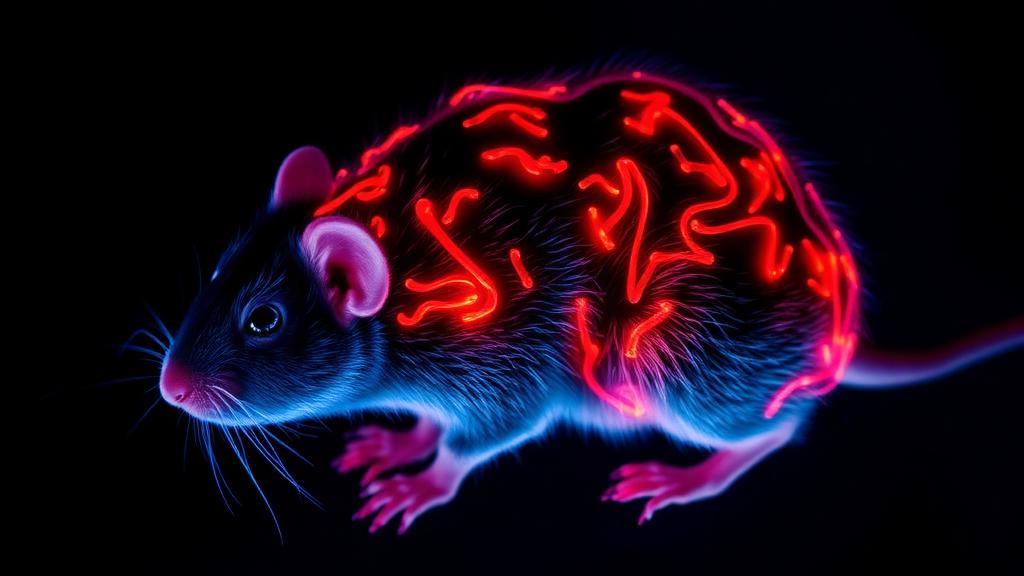
To model postoperative cognitive dysfunction, the researchers induced an open tibial fracture in mice under isoflurane anesthesia, replicating the combination of surgical trauma and anesthetic exposure that patients experience. In parallel, they established an inflammatory model in vitro using BV2 microglial cells, the resident immune cells of the brain, treated with lipopolysaccharide, a molecule that provokes a strong inflammatory response. The team then applied a battery of assessments, including behavioral tests to measure cognition, enzyme-linked immunosorbent assays to quantify inflammatory cytokines, western blotting to track protein changes, TUNEL staining to detect cell death, JC-1 analysis to evaluate mitochondrial membrane potential, and direct measurement of cellular adenosine triphosphate, the energy currency of cells.
The results showed that magnesium sulfate treatment improved the postoperative behavioral deficits observed in the mice. It also reduced inflammatory cytokine levels in the hippocampus, the brain region critical for memory formation, and normalized markers associated with microglial activation. Magnesium sulfate also partially normalized changes in proteins related to mitochondrial dynamics, the continuous process of mitochondrial fusion and fission that maintains a healthy mitochondrial network.
A key finding emerged when the researchers examined the AMPK/PINK1/Parkin pathway itself. Both the surgical model in mice and the lipopolysaccharide-treated microglial cells showed reduced levels of PINK1, Parkin, and LC3-II, a protein marker associated with autophagic degradation, while levels of p62, a protein that accumulates when this degradation system is impaired, increased.
The study also found that magnesium sulfate restored levels of phosphorylated AMPK, the activated form of the upstream kinase that regulates the pathway. To test whether this activation was functionally important, the researchers used Compound C, a pharmacological inhibitor of AMPK. When Compound C was administered, it partially attenuated the effects of magnesium sulfate on PINK1 and Parkin signaling, ATP levels, inflammatory responses, mitochondrial markers, and behavioral outcomes.
Taken together, the findings support a model in which AMPK/PINK1/Parkin-related mitochondrial quality control contributes to the neuroprotective effects of magnesium sulfate in experimental postoperative cognitive dysfunction.
However, the current evidence comes entirely from mouse and cell models, and the authors note that the mechanisms linking neuroinflammation and mitochondrial dysregulation in postoperative cognitive dysfunction remain incompletely defined. Further work will be needed to determine whether the same pathway operates in surgical patients and whether magnesium sulfate can meaningfully reduce the incidence or severity of cognitive decline after surgery.
Subject of Research: Magnesium sulfate neuroprotection in experimental postoperative cognitive dysfunction
Article Title: AMPK/PINK1/Parkin pathway-associated mitochondrial quality control contributes to magnesium sulfate-induced neuroprotection in postoperative cognitive dysfunction
Article References: Li, G., Fan, B., Tao, J., Jiang, Y., Hua, Y., Zhan, R., & Hu, X. (2026). AMPK/PINK1/Parkin pathway-associated mitochondrial quality control contributes to magnesium sulfate-induced neuroprotection in postoperative cognitive dysfunction. Frontiers in Cellular Neuroscience, 20, Article 1969109. https://doi.org/10.3389/fncel.2026.1969109
Image Credits: AI Generated
DOI: 10.3389/fncel.2026.1969109
Keywords: postoperative cognitive dysfunction, magnesium sulfate, AMPK, PINK1, Parkin, mitochondrial quality control, neuroinflammation, microglia, BV2 cells, hippocampus, Compound C, isoflurane
Cite Scienmag News
Drew Townsend. (October 28, 2026). Magnesium Sulfate Shows Neuroprotective Effects in Mouse Model of Postoperative Cognitive Dysfunction. Scienmag. https://scienmag.com/magnesium-sulfate-shows-neuroprotective-effects-in-mouse-model-of-postoperative-cognitive-dysfunction/
Drew Townsend. "Magnesium Sulfate Shows Neuroprotective Effects in Mouse Model of Postoperative Cognitive Dysfunction." Scienmag, 28 October 2026, https://scienmag.com/magnesium-sulfate-shows-neuroprotective-effects-in-mouse-model-of-postoperative-cognitive-dysfunction/. Accessed 28 October 2026.
Drew Townsend. "Magnesium Sulfate Shows Neuroprotective Effects in Mouse Model of Postoperative Cognitive Dysfunction." Scienmag. October 28, 2026. https://scienmag.com/magnesium-sulfate-shows-neuroprotective-effects-in-mouse-model-of-postoperative-cognitive-dysfunction/