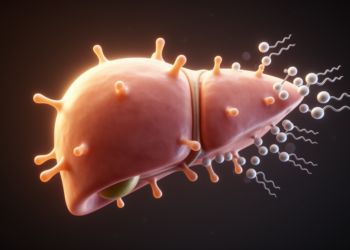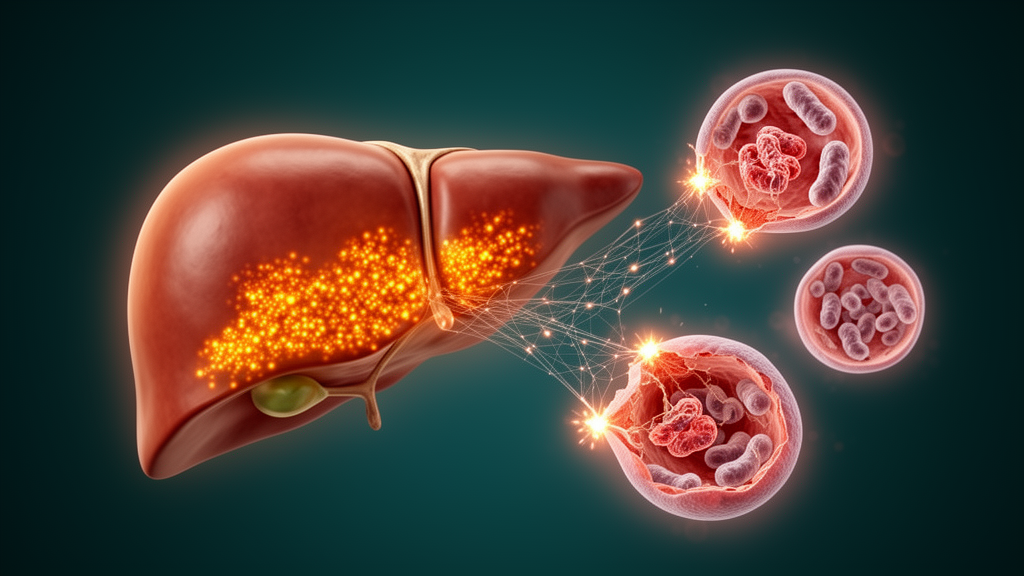
Iron is essential for life, but the liver pays a heavy price when the body’s handling of this metal goes wrong. A new review published in the Journal of Cellular and Molecular Medicine synthesises decades of research on how iron homeostasis is maintained, how it fails, and why those failures drive diseases ranging from fatty liver disease to hepatocellular carcinoma. The central message is stark: the same metal that powers respiration, DNA replication and immune defence becomes a catalyst for lethal lipid peroxidation when its regulation breaks down, and decoding the interconnected networks of iron metabolism and ferroptosis is now seen as one of the most promising frontiers in hepatology.
The physiological stakes are enormous. Iron readily alternates between oxidation states, making it an indispensable mediator of biological electron transfer. It is the central metal in heme, the oxygen-carrying cofactor of haemoglobin and myoglobin, and the building block of mitochondrial iron–sulphur clusters that sustain the respiratory chain, redox balance and DNA replication. Iron-containing enzymes also underpin antioxidant defence: the heme group of catalase, an enzyme abundantly expressed in the liver, decomposes hydrogen peroxide through a two-step redox cycle, and catalase-knockout mice show elevated hepatic oxidative stress even on normal diets. Iron further shapes immunity, promoting pro-inflammatory M1 macrophages at high levels while favouring anti-inflammatory M2 macrophages when scarce, and steering the differentiation of CD4-positive T cells toward TH1 or TH2 fates depending on availability.
Under physiological conditions, the intestine absorbs only 1–2 milligrams of iron per day. Dietary iron arrives in two forms: heme iron from animal sources and non-heme ferric iron from plants. Ferric iron must first be reduced by the duodenal ferric reductase DCYTB before the divalent metal transporter SLC11A2 can carry ferrous iron across the apical membrane of enterocytes. Inside the cell, metallochaperones PCBP1 and PCBP2 route iron either into ferritin for storage or, when demand rises, to the basolateral exporter SLC40A1, where the multicopper ferroxidase hephaestin oxidises it back to ferric iron for loading onto transferrin. The mechanisms of heme uptake remain incompletely understood, though SLC46A1 and SLC48A1 have both been proposed as contributors.
The liver sits at the centre of this economy as the primary hub for iron storage and mobilisation. Under normal conditions, hepatocytes acquire most of their iron through the transferrin receptor TFRC, which captures holo-transferrin and draws it into the cell by clathrin-mediated endocytosis. Acidification of the endosome to roughly pH 5.6 releases the iron, which STEAP3 reduces to the ferrous form before SLC11A2 shuttles it into the cytoplasm. Under pathological conditions, when plasma iron exceeds the binding capacity of transferrin, a second route opens: non-transferrin-bound iron, a redox-active and cytotoxic species loosely chelated to citrate, is imported largely through SLC39A14, a transporter highly expressed in liver and duodenum. In mouse models, hepatic overexpression of Slc39a14 increases iron accumulation, silencing it reduces uptake, and knocking it out in Hfe or Hfe2-deficient backgrounds abolishes the hepatic iron overload characteristic of hereditary hemochromatosis.
Systemic coordination rests on the liver-derived hormone hepcidin, which binds the cellular iron exporter SLC40A1 and triggers its degradation, thereby restricting both intestinal absorption and macrophage iron release. Hepcidin synthesis is governed by three converging pathways. The BMP-SMAD axis acts as the primary iron sensor: liver sinusoidal endothelial cells upregulate BMP6 in response to iron overload through mitochondrial ROS-driven Nrf2 activation and MAPK-dependent ETS1 signalling, and BMP2/BMP6 heterodimers then engage a hepatocyte receptor complex of HFE, TFR2 and HJV to phosphorylate SMAD1/5/8 and induce HAMP transcription. The IL-6-STAT3 pathway independently drives hepcidin during inflammation, sequestering iron intracellularly to limit pathogen access. Finally, the EPO-ERFE axis links iron balance to erythropoiesis: erythroferrone released from bone marrow progenitors sequesters BMP ligands in the liver, suppressing hepcidin so that iron flows to meet the demands of red cell production.
Within cells, the IRP-IRE system provides post-transcriptional fine-tuning. During iron deficiency, iron regulatory proteins bind iron-responsive elements in the untranslated regions of target mRNAs, stabilising transcripts for importers such as TFRC and SLC11A2 while blocking translation of the exporter SLC40A1 and the ferritin chains FTH1 and FTL. When iron is plentiful, IRP1 assembles a 4Fe-4S cluster and converts into cytosolic aconitase, and IRP2 is degraded, freeing the export and storage transcripts for translation. Hypoxia adds a transcriptional layer: when prolyl hydroxylases are starved of oxygen and ferrous iron, HIF-2α escapes degradation and upregulates genes for iron transport and utilisation, coupling oxygen sensing to systemic iron mobilisation. Recent work adds a further layer of control, showing that DNA methylation and histone modifications regulate the expression of TFRC, STEAP3, SLC11A2, SLC39A14, FTH1, SLC40A1 and HAMP itself, allowing cells to adapt to prolonged environmental stress through epigenetic reprogramming.
When these defences fail, the consequences are severe. Hereditary hemochromatosis, most commonly caused by the HFE C282Y mutation, drives excessive dietary iron absorption and progressive parenchymal iron deposition. Hepatocellular iron deposition in patients correlates with an approximately 1.7-fold increased risk of fibrosis beyond stage 1, and up to 9 percent of affected men and roughly 2 percent of affected women develop cirrhosis. The risk of hepatocellular carcinoma in hereditary hemochromatosis is reported to be 100- to 200-fold higher than in the general population, with recent large-scale cohorts indicating that approximately 1.5 to 6 percent of these patients ultimately develop the tumour. Iron overload also features prominently in metabolic dysfunction-associated steatotic liver disease, alcoholic liver disease and chronic viral hepatitis, where roughly 40 percent of chronic hepatitis B patients and 10 to 42 percent of chronic hepatitis C patients show elevated hepatic iron.
A key mechanism linking iron overload to tissue damage is ferroptosis, an iron-dependent form of regulated cell death driven by lipid peroxidation. Excess intracellular iron catalyses the Fenton reaction, generating reactive oxygen species that peroxidise lipid membranes. In dietary models of MASH, iron chelators such as deferoxamine reduce hepatocellular death and inflammatory cytokine infiltration, while macrophage ferroptosis is thought to facilitate the transition from simple steatosis to full steatohepatitis. In alcoholic liver disease models, the ferroptosis inhibitor Ferrostatin-1 alleviates ethanol-induced liver toxicity. Paradoxically, ferroptosis can also be turned against cancer: sorafenib and lenvatinib, first-line therapies for advanced hepatocellular carcinoma, exert part of their antitumour activity by inducing ferroptosis, and elevated ACSL4 in resected HCC specimens correlates with improved postoperative responses to sorafenib.
Therapeutically, the field is moving beyond phlebotomy and non-specific chelators. Minihepcidins, stable truncated hepcidin mimetics, prevent hepatic iron deposition in hemochromatosis models, and the first-in-class hepcidin mimetic rusfertide recently showed in Phase 2 trials that it prevents iron re-accumulation and stabilises transferrin saturation in patients, largely eliminating the need for therapeutic phlebotomy. RNA-targeting agents that silence the hepcidin suppressor TMPRSS6, including the siRNA divesiran and the antisense oligonucleotide sapablursen, have produced sustained hepcidin surges and haematocrit control in early-phase trials in polycythemia vera. Yet significant hurdles remain: serum ferritin lacks diagnostic specificity because it rises with inflammation and fatty liver disease, MRI-based iron quantification is costly and confounded by steatosis, and ferroptosis modulators that work in rodents face poor pharmacokinetics and the risk of suppressing the physiological ferroptosis needed for tumour immune surveillance. The review’s authors argue that humanised liver models, patient-derived organoids and subcellular iron-sensing probes will be essential to translate this molecular map into precision diagnostics and therapies.
Subject of Research: The role of iron homeostasis dysregulation and ferroptosis in liver diseases
Article Title: Iron Homeostasis and Liver Diseases
Article References: Yang, P., Shi, Z., Huang, Q., Tu, Z., Sun, Y., Wang, L., & Wei, Y. (2026). Iron Homeostasis and Liver Diseases. Journal of Cellular and Molecular Medicine, 30(20), Article e71412. https://doi.org/10.1111/jcmm.71412
Image Credits: AI Generated
DOI: 10.1111/jcmm.71412
Keywords: iron homeostasis, liver disease, ferroptosis, hepcidin, hereditary hemochromatosis, hepatocellular carcinoma, MASLD, SLC40A1, iron chelation, mitochondrial dysfunction, liver fibrosis, iron overload
Cite Scienmag News
Nathaniel Bowman. (October 28, 2026). Iron Overload, Ferroptosis and the Liver: Mapping a Deadly Network. Scienmag. https://scienmag.com/iron-overload-ferroptosis-and-the-liver-mapping-a-deadly-network/
Nathaniel Bowman. "Iron Overload, Ferroptosis and the Liver: Mapping a Deadly Network." Scienmag, 28 October 2026, https://scienmag.com/iron-overload-ferroptosis-and-the-liver-mapping-a-deadly-network/. Accessed 29 October 2026.
Nathaniel Bowman. "Iron Overload, Ferroptosis and the Liver: Mapping a Deadly Network." Scienmag. October 28, 2026. https://scienmag.com/iron-overload-ferroptosis-and-the-liver-mapping-a-deadly-network/