

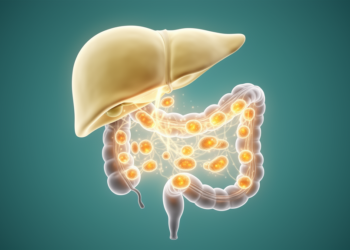
Fatty liver disease is not just a liver problem: how gut microbes, genes and metabolism collide
A new review explains how gut microbes, host genetics and metabolic dysfunction interact to drive MASLD and shape emerging therapies.
A new review explains how gut microbes, host genetics and metabolic dysfunction interact to drive MASLD and shape emerging therapies.

A new review in Molecular Biology Reports maps how interleukin-24, once known only as a melanoma differentiation gene, regulates hepatocellular ...
Metabolic dysfunction-associated steatotic liver disease, known as MASLD, has quietly become the most common chronic liver condition on the planet, ...
A meta-analysis of 25 randomized trials shows exercise training significantly lowers liver enzymes, BMI, and improves cardiorespiratory fitness in adults ...
An edible Inner Mongolian vegetable, Potentilla longifolia, prevented high-fat diet-induced fatty liver disease by activating AMPK and suppressing NF-κB/MAPK pathways, ...
A Sri Lankan study of 260 newly diagnosed type 2 diabetes patients found that the Fatty Liver Index and Hepatic ...
A case report of an 18-year-old woman with Turner syndrome proposes that persistent sinus tachycardia may serve as an accessible ...
A new cross-sectional study of 301 patients in Dubai found that vitamin D deficiency is highly prevalent in MASLD and ...
A Hiroshima University review published in The Lancet Regional Health - Western Pacific shows that nearly five decades of national ...
Chinese researchers developed an interpretable logistic regression model that identifies metabolic dysfunction-associated steatotic liver disease in middle-aged and older adults ...

Embark on a thrilling journey of discovery with Scienmag.com—your ultimate source for cutting-edge breakthroughs. Immerse yourself in a world where curiosity knows no limits and tomorrow’s possibilities become today’s reality!