


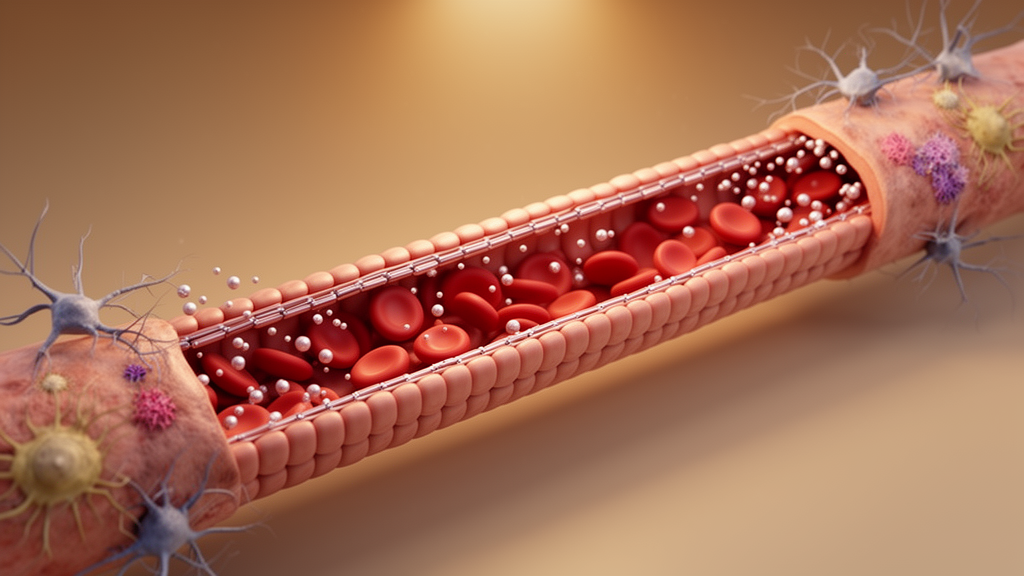
For decades, the blood–brain barrier has been cast as the great obstacle of neurotherapeutics: a tightly sealed, polarized layer of endothelial cells, reinforced by pericytes, a basement membrane, astrocytic end-feet, transporters and efflux systems, all working together to regulate the chemical composition of the central nervous system and to keep most drugs out of brain tissue. But according to a new perspective article, the field has been fighting the wrong battle. The central problem in delivering drugs to the brain is no longer crossing the barrier — it is delivering therapeutics to the right cells, in the right regions, within a dynamically changing neurovascular unit, once the barrier has already been crossed.
The argument comes from Lavanya Gupta, Sinem Agilkaya, Kim Susann Keller and Ebru Ercan-Herbst of the School of Life Sciences at Reutlingen University in Germany, writing in PLoS Biology. Their thesis is blunt: barrier crossing is only the opening move of a much longer sequence. The authors describe CNS drug delivery as a multi-step neurovascular delivery cascade, in which blood–brain barrier recognition and transport constitute only the initial stages. Before a therapeutic can engage its intracellular target, it must still distribute within the brain parenchyma, be taken up by the intended cell type, and escape from the endosome into the cytosol. These subsequent steps, rather than transport across the barrier, are the principal determinants of therapeutic outcome. Failure at any stage — even after successful passage across the barrier — can result in limited regional distribution, off-target cellular uptake, endosomal entrapment, lysosomal degradation, or insufficient target engagement.
This reframing turns CNS drug delivery into an engineering problem rather than a binary question of whether a molecule can cross the barrier or not. The authors argue that the field needs to stop asking whether a therapeutic reaches the brain and instead rethink what should constitute successful CNS drug delivery. To that end, they identify two current practices that need to be reconsidered. The first concerns how delivery success is measured: broad, untargeted biodistribution throughout the brain should not be interpreted as an indicator of successful delivery. A therapeutic that reaches most of the brain without cell-type selectivity increases the probability of off-target engagement and toxicity, and is unlikely to improve outcomes in diseases defined by discrete, vulnerable cell populations.
The stakes are highest in neurodegeneration, precisely because these diseases do not affect the brain uniformly. Alzheimer’s disease predominantly involves the hippocampus and entorhinal cortex. Parkinson’s disease targets the dopaminergic neurons of the nigrostriatal pathway. Amyotrophic lateral sclerosis, also known as motor neuron disease, affects upper and lower motor neurons. Huntington’s disease is characterized by striatal degeneration. In each case, the target population sits embedded within heterogeneous tissue that also contains neurons, microglia, astrocytes and oligodendrocytes. Although systemic administration offers broad and minimally invasive access to the central nervous system, the authors argue it may be suboptimal when pathological changes are highly restricted to specific brain regions or cell populations. In such cases, local administration may provide a more direct route to the affected region, enabling higher local target exposure while potentially reducing systemic exposure.
What makes cellular precision so difficult is the heterogeneity of the brain’s molecular landscape. Single-cell atlas studies have shown that the neurovascular unit itself varies considerably in receptor expression across capillary, arterial and venous endothelial cells, across brain regions, and between healthy and diseased states. A delivery strategy validated in one model system, one brain region or one disease stage may therefore transfer poorly to the clinical setting. The authors suggest that the growing availability of single-nucleus transcriptomic datasets from post-mortem human brain regions could be leveraged to identify therapeutic targets with greater region- and cell-type specificity. They also caution that identifying the most disease-associated target does not necessarily identify the most therapeutically tractable one: target selection should consider whether the protein can be effectively and safely modulated, or whether targeting another, more druggable component of the same pathway could achieve a similar effect. Conventional approaches such as small molecules and antibodies may suit accessible targets, whereas intracellular or poorly druggable targets may require RNA-based therapeutics or targeted protein degradation.
Reaching the appropriate brain region and cell type is only the first step; therapeutics must then efficiently find their target cells. Generating cell-type-specific delivery, the authors argue, will require capsid- and receptor-engineering approaches capable of producing predictable, defined tropism rather than broad distribution. They point to adeno-associated virus capsid engineering, which can achieve durable, anatomically targeted transgene expression in patients with Parkinson’s disease, as evidence that this level of precision is achievable through vector design. Receptor-binding affinity itself determines transport efficiency: reduced affinity for the transferrin receptor favors productive transcytosis, whereas high-affinity binding favors lysosomal degradation. On this basis, the authors argue that receptor engineering should be prioritized over receptor engagement alone.
A critical and often underappreciated barrier lies inside the cell itself. Therapeutics must reach specific intracellular compartments — the cytosol, nucleus or ribosome — to have their effects. Both antisense oligonucleotides and mRNA delivered via lipid nanoparticles face a major bottleneck here: most endocytosed cargo is directed toward lysosomal degradation. Lipid nanoparticle formulations achieve endosomal escape at very low efficiency, with only about one to two percent of internalized siRNA reaching the cytosol, making this the most significant unresolved barrier to nucleic-acid-based CNS therapeutics, according to the perspective. Yet the intracellular barrier is a challenge, not an absolute limitation: antisense oligonucleotides are able to reach motor, striatal and cortical neurons and reduce the amount of disease-associated proteins in ALS, Huntington’s disease and Alzheimer’s disease, respectively. Closing the gap, the authors suggest, will require directly optimizing the lipid composition of the nanoparticle itself, together with endosomolytic excipients and helper lipids that destabilize the endosomal membrane and release cargo into the cytosol before it is routed to lysosomal degradation. Formulations should be screened against functional endpoints rather than uptake alone, using approaches such as high-throughput library screening and single-cell RNA-sequencing to identify which formulations drive functional cargo expression at the individual-cell level.
The second practice the authors call into question concerns how delivery approaches are tested. Many brain-targeted delivery systems are developed and optimized using models with a healthy blood–brain barrier, even though their intended application is often the treatment of a diseased and aging brain. Even in the absence of overt disease, aging remodels the barrier through endothelial dysfunction, altered tight junction organization, and changes in transporter expression and function. Neurodegenerative diseases are further associated with barrier dysfunction and neurovascular remodeling: in Alzheimer’s disease, this includes impaired cerebrovascular integrity and endothelial dysfunction; in Parkinson’s disease, aberrant angiogenesis and reduced tight junction and adherens junction protein expression; and in multiple sclerosis, neuroinflammation and vascular dysfunction. These structural and functional alterations could influence therapeutic transport across the barrier, raising concerns that strategies optimized in young, healthy model systems may not accurately predict performance in older patients with disease. The abundance, localization and function of targets could differ substantially between healthy and diseased barriers, potentially altering uptake, transcytosis, biodistribution and therapeutic efficacy. A delivery strategy validated at the time of diagnosis may therefore perform differently as vascular remodeling and cell loss progress.
Neurodegenerative diseases thus present a challenge that generic delivery platforms do not adequately address: delivering therapeutics in a dynamic cellular and vascular environment that changes with disease progression. The authors call for delivery platforms to be validated across multiple disease stages rather than at diagnosis alone, and for platform design to be matched to the anatomically and cellularly distinct features of each disease. They propose incorporating disease modeling platforms — such as patient-derived induced pluripotent stem cell models, together with human single-cell omics data that recapitulate barrier and target-cell dysfunction and heterogeneity — earlier in preclinical evaluation as a disease-relevant testing platform for CNS delivery. By combining induced pluripotent stem cell-derived barrier models with specific target-cell populations, a controlled human-based model system can be achieved for comparing therapeutic transport to specific cell types, barrier integrity and permeability.
Underlying all of this is a redefinition of the discipline itself. The authors argue that CNS drug delivery should be viewed as a dynamic neurovascular delivery cascade rather than a single barrier-crossing event. Research in recent years, they note, has already demonstrated that each level of the cascade — receptor engagement, regional targeting, cellular selectivity and intracellular delivery — can be individually engineered and optimized. The next frontier lies not in solving these challenges in isolation, but in integrating them into unified delivery platforms capable of matching the right therapeutic to the right cell, in the right brain region, at the right time. The perspective closes with a challenge to the field: stop asking whether a therapeutic reaches the brain, and start asking which cells it reaches, which intracellular compartments it engages, and at which stage of disease it arrives. The future of neurodegeneration treatment, the authors contend, will be decided not at the barrier, but at the cell.
Subject of Research: Cell-type-specific drug delivery to the central nervous system for targeting neurodegeneration
Article Title: Therapeutic delivery systems need to focus on cellular precision to target neurodegeneration
Article References: Gupta, L., Agilkaya, S., Keller, K. S., & Ercan-Herbst, E. (2026). Therapeutic delivery systems need to focus on cellular precision to target neurodegeneration. PLOS Biology, 24(10), e3004049. https://doi.org/10.1371/journal.pbio.3004049
Image Credits: AI Generated
DOI: 10.1371/journal.pbio.3004049
Keywords: blood-brain barrier, neurodegeneration, drug delivery, cellular precision, antisense oligonucleotides, lipid nanoparticles, endosomal escape, Alzheimer's disease, Parkinson's disease, ALS, Huntington's disease, iPSC models
Cite Scienmag News
Cassandra Pierce. (October 26, 2026). Crossing the Blood–Brain Barrier Is No Longer the Hard Part, Researchers Argue. Scienmag. https://scienmag.com/crossing-the-blood-brain-barrier-is-no-longer-the-hard-part-researchers-argue/
Cassandra Pierce. "Crossing the Blood–Brain Barrier Is No Longer the Hard Part, Researchers Argue." Scienmag, 26 October 2026, https://scienmag.com/crossing-the-blood-brain-barrier-is-no-longer-the-hard-part-researchers-argue/. Accessed 26 October 2026.
Cassandra Pierce. "Crossing the Blood–Brain Barrier Is No Longer the Hard Part, Researchers Argue." Scienmag. October 26, 2026. https://scienmag.com/crossing-the-blood-brain-barrier-is-no-longer-the-hard-part-researchers-argue/


