


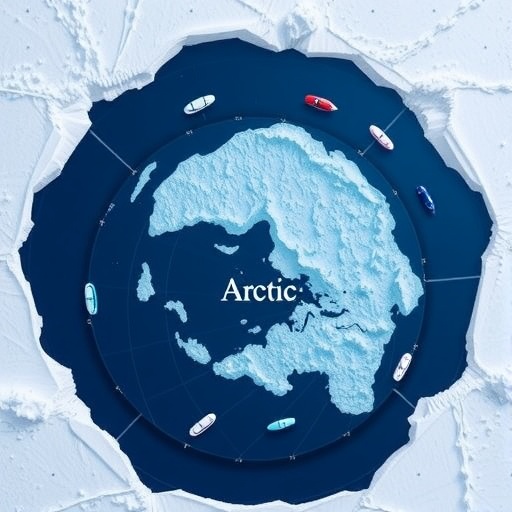
The rapidly changing Arctic environment is reshaping global shipping dynamics with profound economic, environmental, and geopolitical implications. As the relentless decline of sea ice unveils new maritime corridors, the Arctic emerges as both a lucrative passageway and a fragile ecosystem under increasing threat. Over recent decades, sea ice extent in September has diminished by an alarming 35.8% from 1980 to 2024, a transformation that is not only geological but profoundly socio-economic. This vast reduction in ice cover has inevitably facilitated a surge in vessel traffic through Arctic waters, introducing complex challenges that balance opportunity against environmental stewardship.
The fading ice shield has opened critical shipping routes such as the Northern Sea Route and the Northwest Passage, significantly slashing transit times between key markets in Asia, Europe, and North America. This newfound accessibility translates into lower fuel consumption, reduced costs, and unprecedented economic incentives for maritime industries. Between 2013 and 2023, the number of ships navigating the Polar Code Arctic area increased by approximately 37.3%, demonstrating how quickly Arctic shipping is expanding in response to climatic shifts and market demands.
While this growth promises economic benefits, it simultaneously accelerates environmental pressures on the Arctic’s delicate ecosystems. The region’s unique biomes are highly sensitive to disturbances from increased anthropogenic activity. Notably, the rise in Arctic shipping has contributed to an uptick in shipping-derived CO₂ emissions by 6.3% over the last decade, amplifying concerns over the role of shipping in regional and global climate forcing. These emissions exacerbate warming trends in a region already experiencing climatic extremes at amplified rates compared to the global average.
Beyond greenhouse gases, the implications of intensified maritime traffic extend to air quality and human health. Ship emissions release black carbon, nitrogen oxides, and sulphur oxides, polluting Arctic and sub-Arctic environments alike. A poignant example lies in the Nordic Arctic, where studies estimated that ship-related air pollution contributed to 560–1,100 premature deaths in 2015 alone. This alarming statistic highlights the immediate health consequences for communities traditionally dependent on clean air and intact environments for their subsistence and wellbeing.
Moreover, the growing movement of vessels introduces biological invasions that destabilize local ecosystems. Ships facilitate the unintentional transport of invasive species through ballast water discharge and biofouling—organisms attaching to hulls or submerged surfaces. Research indicates that biofouling amplifies the risk of invasions by a factor of 3 to 20, potentially disrupting native biodiversity and altering ecological balances irreversibly. The Arctic’s unique flora and fauna, adapted to stringent environmental conditions, face unprecedented challenges from such biological incursions.
Pollution from shipping activities extends beyond gaseous emissions and invasive species. Oil spills remain a catastrophic risk in these sensitive waters, where the lack of infrastructure and challenging weather hamper rapid response. Historical incidents have yielded devastating consequences; a single oil spill was responsible for the death of up to 300,000 seabirds, revealing the extreme vulnerability of Arctic wildlife to such disasters. These events expose glaring gaps in preparedness and regulatory frameworks crucial for mitigating environmental damage.
In addition to oil pollution, microplastic contamination represents an emerging concern intimately tied to maritime traffic. Near the Norwegian town of Brønnøysund, concentrations of microplastics in marine environments are reported to be one to four orders of magnitude higher than the global average. Investigations suggest that discharge of untreated greywater and wastewater from ships is a significant contributor. Microplastics threaten the Arctic food web, accumulating in organisms and potentially entering human diets through seafood consumption, thus raising complex questions about ecosystem and food safety.
Addressing the environmental ramifications associated with Arctic shipping necessitates a multi-faceted approach. Regulatory frameworks must evolve to impose stricter fuel standards, limiting the use of high-sulphur fuels and promoting cleaner alternatives such as liquefied natural gas (LNG) and emerging zero-emission technologies. The International Maritime Organization’s Polar Code sets foundational guidance, but emerging scientific evidence underscores the urgency for tighter implementation and more comprehensive coverage.
Concomitant with fuel regulation, managing waste outputs from vessels is essential. Greywater discharge, which encompasses a range of non-industrial wastewater, requires rigorous wastewater treatment standards. Unregulated release in the Arctic risks further exacerbating microplastic pollution, compromising marine habitats, and potentially undermining the tourism and fishing industries reliant on pristine conditions.
Technological advancements in navigation and emissions filtration technology provide hope for mitigating some impacts. Enhanced satellite and sensor-based navigation systems improve route planning, minimizing the risk of accidents and environmental disruption. Meanwhile, scrubber technologies and selective catalytic reduction systems offer pathways to reduce emissions of sulphur oxides and nitrogen oxides, respectively, thereby cushioning air quality degradation.
Economic and governance drivers intricately influence the trajectory of Arctic shipping. The promise of shorter transit times entices commercial shipping enterprises, while governance challenges manifest as jurisdictional disputes and uneven enforcement of regulations across different Arctic nations. Effective cooperation among Arctic Council members and international maritime organizations is indispensable to ensure harmonized policies that reconcile economic aspirations with environmental sustainability.
Infrastructure development in the Arctic requires thoughtful integration, balancing the need for enhanced search and rescue capabilities, emergency oil spill response, and port facilities to accommodate increased traffic. Investments must prioritize minimizing ecological footprints, incorporating energy-efficient designs, and adopting best-practice environmental safeguards. Without such foresight, infrastructure expansion risks aggravating the very vulnerabilities it aims to address.
Climate feedback mechanisms compound the risks associated with Arctic shipping. Black carbon soot deposited on ice and snow surfaces accelerates melting, creating a feedback loop that further diminishes sea ice coverage, enabling even higher shipping volumes. This cyclical interplay between shipping emissions and climate impacts demands that mitigation efforts extend beyond the Arctic region, encompassing global scales to limit climate warming trajectories.
The cultural and social ramifications for Indigenous and local communities in the Arctic also warrant recognition. Increased shipping traffic alters traditional fishing grounds, disrupts wildlife migration patterns vital for subsistence hunting, and exposes communities to heightened pollution levels. Incorporating Indigenous knowledge and perspectives into governance and management frameworks thus emerges as a critical dimension of sustainable Arctic development.
Looking ahead, sustainable Arctic shipping hinges on integrating scientific insights with technological innovation, policy reform, and stakeholder engagement. The future of the Arctic maritime frontier is contingent upon striking a delicate balance—harnessing economic opportunities without unraveling the unique environmental and social fabric of the region. As Arctic waters become more navigable, the imperative to safeguard their integrity grows ever more urgent, demanding concerted action from global and local actors alike.
In summary, the accelerating pace of Arctic sea ice retreat is transforming shipping routes, bringing both opportunity and peril. A 35.8% decrease in ice coverage since 1980 has catalyzed a 37.3% increase in Arctic marine traffic over the past decade, accompanied by a 6.3% surge in associated CO₂ emissions. These trends underscore a complex web of drivers ranging from economic incentives to governance frameworks, interwoven with diverse environmental impacts—including air pollution, biological invasions, oil spill disasters, and microplastic contamination. Addressing these challenges calls for robust regulations on fuel and waste standards, advances in emission reduction technologies, improved navigational safety, and vigilant ecosystem protection. The Arctic’s fate, intricately linked to global climate trajectories and economic interests, demands an unprecedented collaborative commitment to sustainable shipping in one of Earth’s last frontiers.
Cite Scienmag News
Violet Maxwell. (May 26, 2026). Arctic Shipping: Drivers and Environmental Impacts Explored. Scienmag. https://scienmag.com/arctic-shipping-drivers-and-environmental-impacts-explored/
Violet Maxwell. "Arctic Shipping: Drivers and Environmental Impacts Explored." Scienmag, 26 May 2026, https://scienmag.com/arctic-shipping-drivers-and-environmental-impacts-explored/. Accessed 3 September 2026.
Violet Maxwell. "Arctic Shipping: Drivers and Environmental Impacts Explored." Scienmag. May 26, 2026. https://scienmag.com/arctic-shipping-drivers-and-environmental-impacts-explored/


