


For patients with neurodegenerative diseases, one of the most stubborn obstacles in modern medicine is not a lack of drug candidates but a lack of access. The human brain is sealed behind a biological fortress known as the blood-brain barrier, a layer of tightly joined cells lining the blood vessels of the central nervous system that evolved to keep infections out. That same fortress keeps therapeutic antibodies out as well. According to researchers at the University of Ottawa, of roughly 10,000 antibodies injected into a patient, only a single one actually reaches the brain. The rest remain trapped in the bloodstream, unable to slip through the junctions of the vascular wall into brain tissue. For a class of drugs that has attracted billions of dollars of investment from major pharmaceutical and biotech companies, that delivery bottleneck has been devastating.
A team led by Dr. Derrick Gibbings, a professor in the Department of Cellular and Molecular Medicine at the University of Ottawa and a member of the Eric Poulin Centre for Neuromuscular Disease, has now reported a two-part strategy that addresses both halves of the problem: getting antibody drugs across the barrier, and making them actually destructive once they arrive. The work, led by research associate Huishan Guo in the Gibbings laboratory, was published in the journal Nature Biomedical Engineering on 26 August 2026 under the title “Engineered autophagy receptors administered with extracellular vesicles eliminate pathological Tau and TDP-43.”
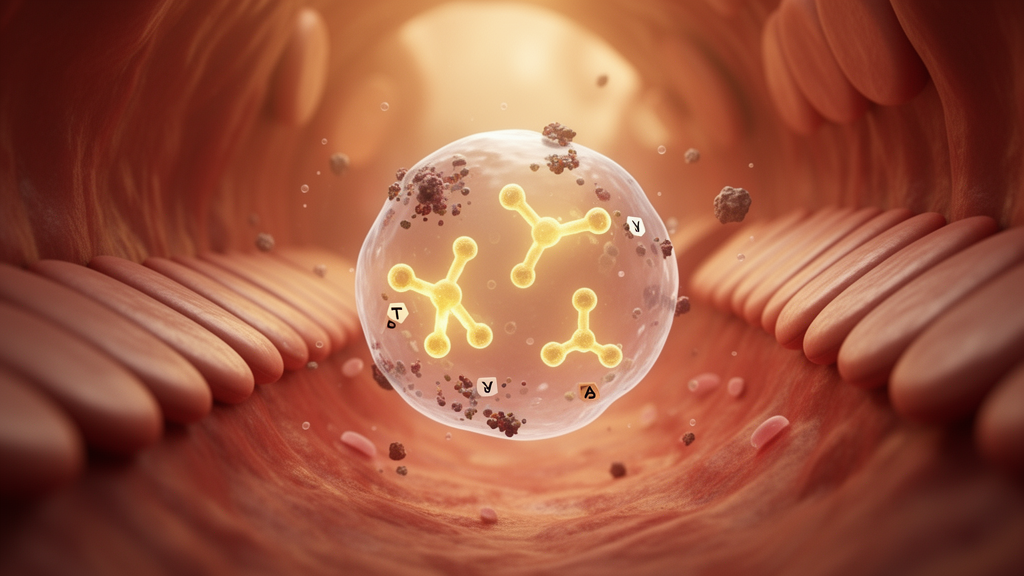
The delivery half of the solution relies on extracellular vesicles, tiny membrane-bound bubbles that cells naturally release into their surroundings. These vesicles ferry proteins, RNA and other cargo between cells as part of normal biology, and crucially, they have evolved ways of moving across the blood-brain barrier that synthetic drug carriers have not. The Ottawa researchers showed that extracellular vesicles can squeeze through the walls of blood vessels and enter the brain, carrying their molecular passengers with them. By loading therapeutic antibodies into or alongside these natural shuttles, the team found a way to dramatically raise the fraction of drug that reaches its target tissue, sidestepping the barrier that strands conventional antibody infusions in the blood.
Delivery alone, however, was never going to be enough. As Gibbings explains, antibodies raised against the pathological proteins behind Alzheimer’s disease, dementias and amyotrophic lateral sclerosis can bind their targets but cannot destroy them. “Normal antibodies can attach themselves to the disease-causing proteins in these diseases, but they can’t eliminate them and so aren’t as potent as they could be,” he says. In other words, a conventional antibody acts like a flag planted on a piece of debris, marking it for other systems to deal with, while the protein itself persists and continues to accumulate in the brain.
The second innovation therefore recruits one of the cell’s oldest housekeeping systems: autophagy. Often described as the body’s natural recycling plant, autophagy collects damaged or unwanted material inside the cell, engulfs it in a membrane sac and delivers it to the cellular machinery that breaks it down into small components the cell can reuse. The process is normally activated when cells are stressed or deprived of nutrients, and it is a fundamental mechanism by which cells clear their own molecular garbage. What the Ottawa team did was to hijack this disposal system and point it at the very proteins that drive neurodegeneration.
The researchers engineered antibodies that carry what the team describes as a baggage tag. When such an antibody binds a disease-causing protein, the tag recruits the autophagy machinery, directing the entire antibody-protein complex into the cell’s garbage disposal system for destruction. Rather than merely tagging pathological proteins and hoping something else clears them, these engineered molecules convert the immune recognition event into an active demolition order. The approach builds on a growing body of cell biology showing that autophagy receptors, the adaptor proteins that link cargo to the recycling machinery, can be repurposed to degrade specific targets on demand.
In cells and in mouse models, the strategy produced striking results. The team reported that engaging autophagy greatly improved the elimination of the proteins that cause Alzheimer’s disease, dementia and amyotrophic lateral sclerosis, and that the mice showed improvements in their disease symptoms. The pathological targets named in the published study, Tau and TDP-43, are two of the most notorious culprits in neurodegeneration. Tau tangles are a hallmark of Alzheimer’s disease and related dementias, while TDP-43 aggregates define the pathology of amyotrophic lateral sclerosis and frontotemporal dementia. A single platform capable of clearing both classes of proteins, and doing so through the cell’s own disposal route, represents a meaningful conceptual advance over approaches that only block or neutralize their targets.
The published work is described as a randomized controlled study performed in animals, and Gibbings is careful to frame it as a first step rather than a cure. Treating mice is one step, but an important one, on the road toward clinical trials and demonstrating benefits in patients, he notes. The history of neurodegenerative disease research is littered with therapies that looked powerful in animal models and failed to translate, which is precisely why the delivery component of this work may prove as consequential as the degradation component. A drug that cannot reach the brain cannot help the brain, no matter how elegant its mechanism.
There is nonetheless considerable momentum behind the underlying drug class. “There is a lot of enthusiasm for antibodies like these in industry, with many of the major pharma and biotech companies having invested billions of dollars in this space,” Gibbings says. “Many of these antibodies have been tried in patients in clinical trials but have shown minimal benefits to patients so far. We hope our new strategy to get these antibodies into the brain and eliminate their targets may be a key to making these drugs work for patients.” That framing captures the stakes: the molecules themselves are not new, but the combination of vesicle-based delivery and autophagy-directed destruction could finally give them the reach and the killing power they have lacked.
If the approach survives the long road to human testing, it could reshape how the field thinks about treating diseases of the central nervous system. Instead of designing ever-better antibodies and hoping a fraction of each dose crosses the barrier, researchers could pair existing recognition molecules with natural cellular transport systems and with the cell’s own recycling machinery. The Ottawa team’s results suggest that the barrier can be crossed, that pathological proteins can be actively destroyed rather than merely flagged, and that symptoms in animal models can improve as a result. For the millions of people living with ALS, Alzheimer’s, Parkinson’s and other dementias, that combination of delivery and destruction may be the key that turns decades of antibody investment into real therapeutic benefit.
Subject of Research: Engineered autophagy-recruiting antibodies delivered by extracellular vesicles to eliminate pathological Tau and TDP-43 in neurodegenerative disease models
Article Title: New drug-delivery method offers promise in fight against neurodegenerative diseases
Article References: New drug-delivery method offers promise in fight against neurodegenerative diseases. (n.d.). Original publication
Image Credits: AI Generated
DOI: Not provided
Keywords: neurodegenerative diseases, extracellular vesicles, autophagy, blood-brain barrier, antibody drugs, Tau, TDP-43, ALS, Alzheimer's disease, University of Ottawa, drug-delivery, method
Cite Scienmag News
Cassandra Pierce. (October 16, 2026). Cellular Bubbles and Molecular Trash Tags: A New Route for Antibody Drugs Into the Brain. Scienmag. https://scienmag.com/cellular-bubbles-and-molecular-trash-tags-a-new-route-for-antibody-drugs-into-the-brain/
Cassandra Pierce. "Cellular Bubbles and Molecular Trash Tags: A New Route for Antibody Drugs Into the Brain." Scienmag, 16 October 2026, https://scienmag.com/cellular-bubbles-and-molecular-trash-tags-a-new-route-for-antibody-drugs-into-the-brain/. Accessed 16 October 2026.
Cassandra Pierce. "Cellular Bubbles and Molecular Trash Tags: A New Route for Antibody Drugs Into the Brain." Scienmag. October 16, 2026. https://scienmag.com/cellular-bubbles-and-molecular-trash-tags-a-new-route-for-antibody-drugs-into-the-brain/


