


Designed From Scratch: Microproteins Take Aim at Brain Disease
De novo designed microproteins, built computationally to bind toxic amyloid fibrils and restore mitochondrial function, are emerging as promising candidates ...
De novo designed microproteins, built computationally to bind toxic amyloid fibrils and restore mitochondrial function, are emerging as promising candidates ...

A new review proposes that migrasomes in the central nervous system act as either pathogenic drivers or protective factors depending ...

A new review in Discover Molecules synthesizes the chemistry, limited bioavailability, and gut-brain interactions of plant phenolic compounds, cautioning that ...
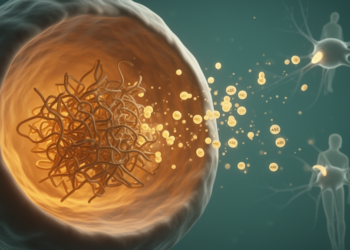
A new review outlines how misfolded protein aggregates activate the NLRP3 inflammasome and how prion-like ASC specks may shape neurodegenerative ...
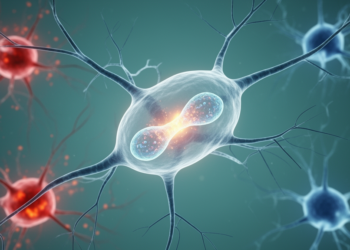
A new review argues that the NF-κB1 subunit's p105 and p50 proteins act as context-dependent regulators of neuronal survival and ...
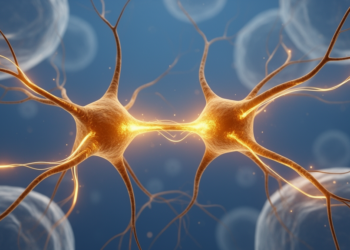
A computational model of Alzheimer's disease shows that adjusting short-term synaptic facilitation time constants can restore memory engram selectivity and ...
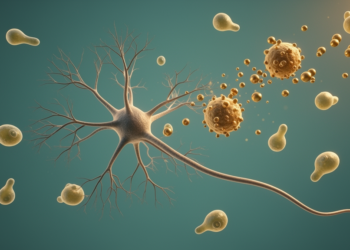
A new study shows the natural chalcone cardamonin calms LPS-activated microglia by suppressing the EGFR/PI3K/AKT1/ERK/NF-kappaB signaling axis, indirectly protecting SH-SY5Y ...
A comprehensive review in Cellular and Molecular Life Sciences maps how single ubiquitin marks on non-histone proteins regulate DNA repair, ...

A survey of 55 Bulgarian patients found that 85.5 percent would use cannabidiol if recommended by a healthcare professional, despite ...

A new cost-effective workflow improves proteomic analysis of plasma and cerebrospinal fluid by optimizing protein depletion and digestion for high-throughput ...


Embark on a thrilling journey of discovery with Scienmag.com—your ultimate source for cutting-edge breakthroughs. Immerse yourself in a world where curiosity knows no limits and tomorrow’s possibilities become today’s reality!