


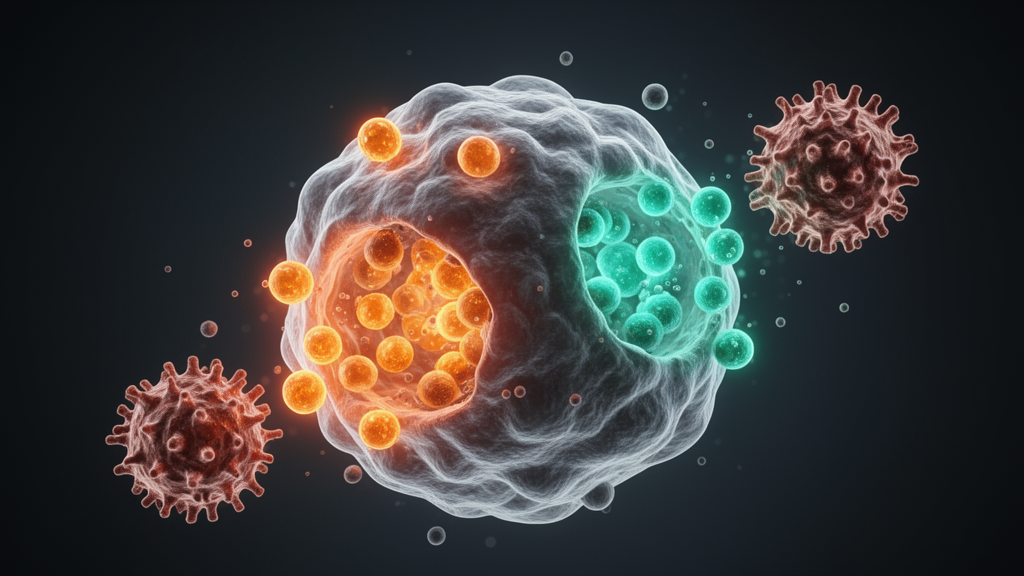
Immune checkpoint inhibitors have transformed modern oncology, turning once-fatal malignancies into manageable diseases for a subset of patients. Yet a stubborn majority either fail to respond from the outset or relapse after an initial benefit, a clinical reality that has pushed researchers to look beyond the checkpoint axis itself and toward the fundamental biology of how tumor cells die. A new review published in Medical Oncology by Mamdouh A. Ragab and Mahmoud A. Seliem of Ahram Canadian University argues that the answer may lie in an unexpected place: the way cancer cells handle two essential but potentially lethal metals, iron and copper. The authors synthesize evidence that these metal-dependent forms of regulated cell death, known as ferroptosis and cuproptosis, are among the most potent triggers of immunogenic cell death, the phenomenon by which dying tumor cells alert the immune system rather than disappearing silently.
The central problem the review addresses is the dichotomy between so-called hot and cold tumors. Hot, inflamed tumors are infiltrated by T cells and tend to respond to checkpoint blockade, whereas cold or immune-excluded tumors keep immune cells at bay and resist immunotherapy regardless of how aggressively checkpoints are targeted. The authors contend that this immune phenotype is increasingly tied to the mode of cell death induced by therapeutic agents. Apoptosis, the most familiar form of programmed cell death, is largely immunologically silent: cells shrink, fragment and are quietly cleared without releasing the alarm signals needed to recruit and activate dendritic cells and T lymphocytes. In contrast, inflammatory death modalities can flood the tumor microenvironment with damage-associated molecular patterns, or DAMPs, that convert a dying cell into an adjuvant for the immune system.
Ferroptosis, first described in 2012, is an iron-dependent form of nonapoptotic cell death driven by catastrophic lipid peroxidation. Its biochemistry centers on Fenton chemistry, in which ferrous iron catalyzes the conversion of hydrogen peroxide into highly reactive hydroxyl radicals that attack polyunsaturated fatty acids in cellular membranes. When the lipid-repair enzyme GPX4 fails, or when the cystine importer SLC7A11 is compromised, oxidized phospholipids accumulate until membranes rupture. Studies cited in the review show that lipid composition itself dictates sensitivity: the enzyme ACSL4 shapes the membrane pool of oxidizable lipids, and oxidized arachidonic and adrenic acid phosphatidylethanolamines act as the actual execution signals that navigate cells toward ferroptosis. A therapy-resistant, drug-tolerant state observed across cancer cell lines has been shown to depend on this very lipid peroxidase pathway, making ferroptosis induction a rational strategy against persister cells.
Cuproptosis, by contrast, was characterized only in 2022, when researchers demonstrated that excess copper kills cells through a mechanism fundamentally different from ferroptosis. Rather than attacking lipids, copper binds directly to lipoylated components of the tricarboxylic acid cycle in mitochondria, causing those proteins to aggregate. The loss of iron-sulfur cluster biogenesis, involving assembly proteins such as ISCA1, ISCA2 and ISCU, compounds the damage, and the proteotoxic stress that follows is lethal. This dependence on mitochondrial respiration means that cells with high respiratory activity, such as those with certain metabolic rewiring seen in mTORC1 inhibitor persister states, are selectively vulnerable. The review also highlights how mutations in metabolic enzymes can create cuproptosis sensitivity: in acute myeloid leukemia, IDH1 mutations create a dependency on fatty acid metabolism that underlies susceptibility to copper-induced death.
A unifying theme of the review is the mitochondrion, which the authors describe as both a critical upstream contributor and a signal amplifier. Bioenergetic status, the stability of iron-sulfur clusters and the toxicity of accumulated metal ions converge inside this organelle. When iron-sulfur cluster deficiency arises, it can be sensed by the iron regulatory protein IRP2, which rewires iron homeostasis and modulates ferroptosis sensitivity independently of the classical IRP1 and FBXL5 sensors. Disruption of the mitochondrial protein CISD2 primarily elevates labile iron levels and triggers expression of TXNIP, further linking mitochondrial metal handling to oxidative death. As these cascades unfold, the mitochondrial membrane permeabilizes and the cell releases hallmark DAMPs, including high-mobility group box 1 protein (HMGB1) and adenosine triphosphate (ATP), which are precisely the signals dendritic cells need to engulf tumor debris and present antigens to T cells. HMGB1 has also been identified as a mediator of cuproptosis-related sterile inflammation, suggesting that both metal-dependent deaths feed a common immunological alarm circuit.
Perhaps the most forward-looking section of the review concerns epitranscriptomics, specifically the N6-methyladenosine (m6A) modification of RNA. Installed by the METTL3-METTL14 writer complex and read by YTH-domain proteins, m6A marks regulate the stability, translation and decay of messenger RNAs, and the authors show how these marks govern the expression of metal transporters and vulnerability genes. In hepatoblastoma, m6A modification enhances ferroptosis resistance by inhibiting deadenylation of SLC7A11 mRNA, keeping the antioxidant importer abundant. Conversely, the m6A reader YTHDC2 promotes ferroptosis in lung adenocarcinoma by targeting the SLC3A2 subunit of the system xc- cystine transporter. On the copper side, METTL3-mediated m6A modification of FDX1, the key gene conferring cuproptosis sensitivity, confers resistance to copper-induced death and drives hepatocellular carcinoma progression, while the natural compound tanshinone IIA promotes METTL3/METTL14-mediated FDX1 modification to induce cuproptosis in bladder cancer.
These RNA modifications do more than tune single genes; they appear to shape the spatial architecture of the tumor and its immune phenotype. Bioinformatics work cited in the review links m6A methylation patterns to immune microenvironment composition and immunotherapy response in melanoma, and to tumor-immune spatial interaction signatures in colorectal cancer. Because m6A regulators are now druggable, with small-molecule METTL3 inhibitors already validated as a strategy in myeloid leukemia, the review proposes that combining epitranscriptomic modulation with metal-dependent death induction could reprogram a cold tumor into a hot one. In this framework, the metabolic vulnerabilities of cancer cells, their dependence on iron-sulfur clusters, lipoylated TCA enzymes and antioxidant lipid repair, are converted into immunological activating signals hypothesized to drive durable anti-tumor immunity.
The therapeutic implications are already being tested. Nanoparticle platforms have been engineered to synergize ferroptosis and cuproptosis simultaneously, potentiating cancer immunotherapy in preclinical models, and copper-enriched black phosphorus nanoplatforms have been used to sensitize tumors to low-dose radioimmunotherapy. The disulfiram-copper combination, a repurposed alcoholism drug paired with nutritional copper, has shown activity against cancer stem cells in medulloblastoma models and, in non-small cell lung cancer, has been reported to abolish resistance to anti-PD-L1 therapy through the copper transporter ATP7B and the HIF-1 signaling pathway. Notably, disulfiram plus copper triggers ROS-induced DNA damage that activates the cGAS-STING innate immune pathway, potentiating responses to PD-1 checkpoint blockade. On the ferroptosis side, compounds such as oxyresveratrol act through the EGFR/PI3K/AKT/GPX4 axis, and the elesclomol copper ionophore has already reached a phase III trial in melanoma, albeit with sobering results that underscore the challenge of translating metal biology into the clinic.
The review is careful to note the double-edged nature of these metals in immunity. Copper deficiency reduces interleukin-2 production in human T lymphocytes and impairs oxidative stress responses in the spleen, while copper homeostasis is critical for T cell activation, meaning that systemic copper depletion could undermine the very immune responses clinicians hope to unleash. Similarly, ferroptosis can dampen anti-tumor immunity when it occurs in T cells themselves: CD36-mediated lipid accumulation triggers ferroptosis in intratumoral CD8-positive T cells, impairing their effector function. Nrf2, a transcription factor that promotes ROS detoxification and tumorigenesis when oncogenically activated, also protects normal tissues from ferroptotic injury, as seen in models of acute lung injury. Timing, dosing and delivery strategies, including the optimal sequencing of anti-PD-1 antibodies with cytotoxic modalities, therefore become as important as the drugs themselves.
What emerges from this synthesis is a therapeutic framework rather than a single prescription: co-target ferroptosis and cuproptosis, modulate the m6A machinery that controls their master regulators such as FDX1 and SLC7A11, and exploit the mitochondrial convergence point where metal toxicity becomes immune signaling. If the hypothesis holds, the metabolic idiosyncrasies that allow cancer cells to survive checkpoint blockade could become the very triggers that summon and sustain an effective anti-tumor immune response, offering a route to durable immunity for patients whose tumors have so far remained immunologically cold.
Subject of Research: Synergizing ferroptosis and cuproptosis as immunogenic cell death strategies to overcome cancer immunotherapy resistance
Article Title: Immunogenic cell death: synergizing ferroptosis and cuproptosis to overcome immunotherapy resistance
Article References: Ragab, M. A., & Seliem, M. A. (2026). Immunogenic cell death: synergizing ferroptosis and cuproptosis to overcome immunotherapy resistance. Medical Oncology, 43(11), Article 321. https://doi.org/10.1007/s12032-026-03429-w
Image Credits: AI Generated
DOI: 10.1007/s12032-026-03429-w
Keywords: ferroptosis, cuproptosis, immunogenic cell death, immunotherapy resistance, immune checkpoint inhibitors, mitochondria, iron-sulfur clusters, damage-associated molecular patterns, N6-methyladenosine, FDX1, SLC7A11, tumor microenvironment
Cite Scienmag News
Nathaniel Bowman. (October 8, 2026). Iron and Copper Cell Death Pathways May Hold Key to Beating Immunotherapy Resistance. Scienmag. https://scienmag.com/iron-and-copper-cell-death-pathways-may-hold-key-to-beating-immunotherapy-resistance/
Nathaniel Bowman. "Iron and Copper Cell Death Pathways May Hold Key to Beating Immunotherapy Resistance." Scienmag, 8 October 2026, https://scienmag.com/iron-and-copper-cell-death-pathways-may-hold-key-to-beating-immunotherapy-resistance/. Accessed 8 October 2026.
Nathaniel Bowman. "Iron and Copper Cell Death Pathways May Hold Key to Beating Immunotherapy Resistance." Scienmag. October 8, 2026. https://scienmag.com/iron-and-copper-cell-death-pathways-may-hold-key-to-beating-immunotherapy-resistance/


