


Macrophage neighborhoods steer melanoma immune checkpoint outcomes
Spatial profiling of melanoma tumors reveals that lipid-associated macrophage neighborhoods drive immune exclusion and predict resistance to checkpoint inhibitor therapy.
Spatial profiling of melanoma tumors reveals that lipid-associated macrophage neighborhoods drive immune exclusion and predict resistance to checkpoint inhibitor therapy.

Clinicians documented the rare concurrent emergence of rheumatoid arthritis and Sjögren's syndrome in a patient receiving nivolumab for recurrent gastric ...

An observational study links pre-treatment memory B-cell enrichment and heightened cellular activation to the development of immune-related adverse events in ...

A prospective multicenter cohort study evaluates whether plasma-derived extracellular vesicles can predict response to anti-PD-(L)1 therapies in patients with advanced ...

The Chinese Anti-Cancer Association has published an open access guideline standardizing diagnosis and treatment of respiratory injury caused by tumors ...

A review in the Journal of Translational Medicine examines how metabolic reprogramming enables regulatory T cells to drive immunosuppression in ...

A longitudinal immune monitoring study showed that combining tinostamustine with nivolumab was linked to preserved adaptive immune competence and antigen-specific ...
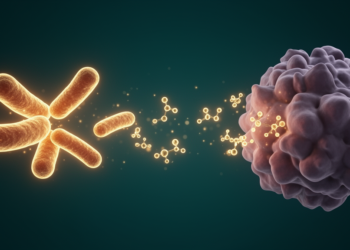
A new review argues that gut bacterial metabolites such as butyrate and indoles can be engineered as programmable drugs to ...
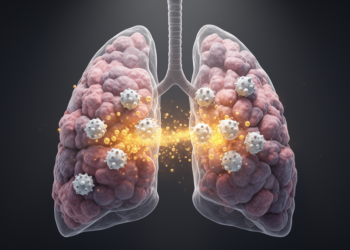
A new study links tumor-derived TNF-α, CCL4-high tumor-associated neutrophils, and suppressed T-cell activity to immunotherapy resistance in non-small cell lung ...
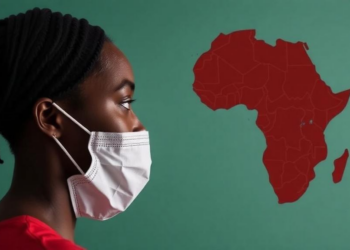
A new review finds checkpoint inhibitors are safe and effective for virologically suppressed people with HIV, while sub-Saharan Africa remains ...


Embark on a thrilling journey of discovery with Scienmag.com—your ultimate source for cutting-edge breakthroughs. Immerse yourself in a world where curiosity knows no limits and tomorrow’s possibilities become today’s reality!