

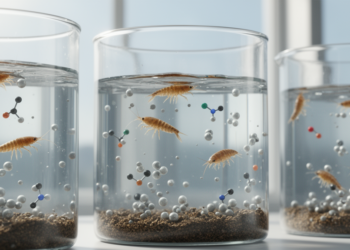
Nanoplastics shift acute chlorpyrifos toxicity in marine amphipods
A 96-hour laboratory study found that polyethylene nanoplastics altered acute chlorpyrifos toxicity in the marine amphipod Parhyale hawaiensis, while a ...
A 96-hour laboratory study found that polyethylene nanoplastics altered acute chlorpyrifos toxicity in the marine amphipod Parhyale hawaiensis, while a ...
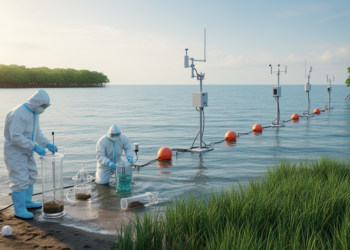
A 36-criterion fuzzy AHP study identifies environmental pollution and geopolitical contestation as the leading cross-domain risks in an illustrative assessment ...
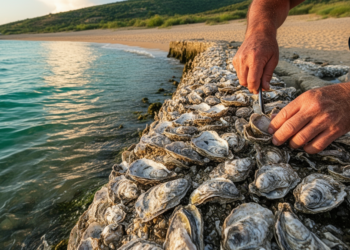
A field and laboratory study of 70 Pacific oysters found site- and season-specific oxidative-stress responses across seven Bulgarian Black Sea ...
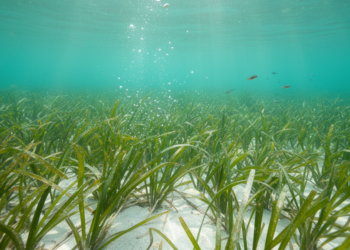
A year-long study of a tropical seagrass meadow in Taiwan finds that its sediments produce methane steadily, yet nearly all ...
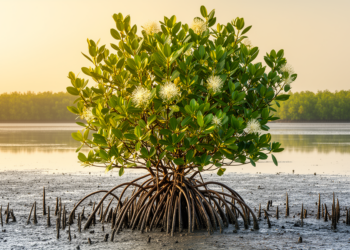
A new study reveals that the invasive success of Sonneratia apetala in Chinese mangroves is driven by a centralized-efficient leaf ...
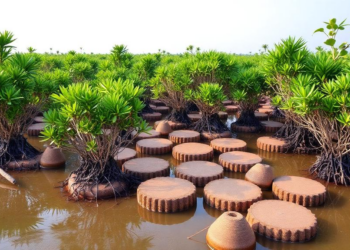
Sediment cores from Red River Delta mangrove forests show ammonium, nitrate, and phosphate concentrations declining with distance from aquaculture ponds ...

Stable carbon isotope analysis of Cretaceous tooth enamel reveals that coastal dinosaurs and other vertebrates incorporated marine-derived nutrients into their ...
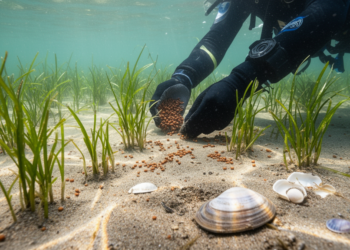
Seagrass meadows rank among the most valuable ecosystems on the planet, buffering shorelines, storing carbon, and sheltering juvenile fish, yet ...
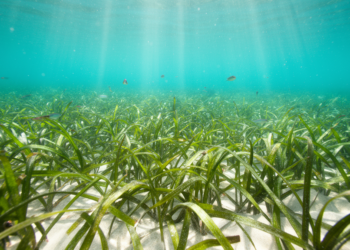
A large-scale genomic survey of Zostera japonica seagrass beds in China reveals that microbial communities follow latitudinal gradients and microhabitat-specific ...

An eleven-year Tanzanian study links surging ecotourism visitation to stronger restoration investment, while satellite data reveal that unmanaged growth still ...


Embark on a thrilling journey of discovery with Scienmag.com—your ultimate source for cutting-edge breakthroughs. Immerse yourself in a world where curiosity knows no limits and tomorrow’s possibilities become today’s reality!