


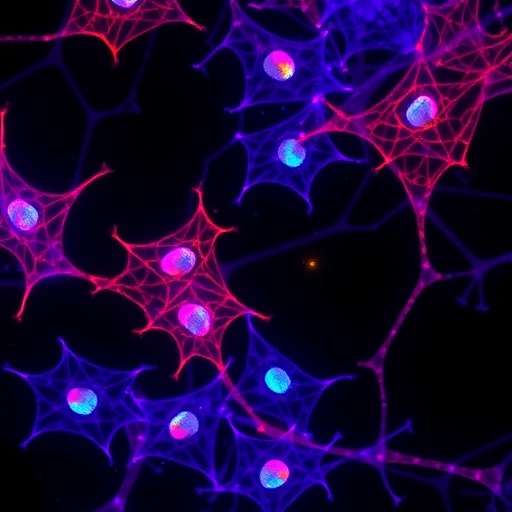
In a groundbreaking study that could reshape therapeutic strategies for cervical cancer, researchers have unveiled a novel mechanism underlying chemotherapy resistance. The study, published in Cell Death Discovery, elucidates the role of the mitochondrial carrier protein SLC25A10 in promoting cisplatin resistance by suppressing ferroptosis, a form of regulated cell death. This discovery not only deepens our understanding of cancer biology but also opens promising avenues for overcoming drug resistance in cervical cancer patients.
Cisplatin remains one of the frontline chemotherapeutic agents against various malignancies, including cervical cancer. Despite its efficacy, resistance to cisplatin poses a formidable challenge, often leading to treatment failure and poor clinical outcomes. The molecular pathways contributing to this resistance are complex and multifaceted, invoking diverse survival mechanisms within cancer cells. The recent investigation sheds light on how SLC25A10 mediates these responses through interaction with ferroptotic pathways.
Ferroptosis, an iron-dependent process characterized by the accumulation of lethal lipid peroxides, acts as a natural barrier against tumor progression and a targetable vulnerability in cancer therapy. Unlike apoptosis or necrosis, ferroptosis operates through distinct metabolic and oxidative stress axes, thereby representing a critical mechanism by which cancer cells may succumb when subjected to therapeutic interventions. The study highlights the inhibitory effect of SLC25A10 on ferroptosis, thereby facilitating cellular survival in the cytotoxic milieu induced by cisplatin.
Delving into the molecular intricacies, the researchers identified that SLC25A10 functions as a mitochondrial dicarboxylate carrier, orchestrating redox homeostasis within the organelle. By regulating the transport of metabolites crucial for maintaining glutathione levels—the primary intracellular antioxidant—SLC25A10 exerts control over the oxidative stress response. Consequently, the suppression of ferroptotic lipid peroxidation under the influence of SLC25A10 elevates cancer cell resilience against cisplatin-induced cytotoxicity.
The methodology employed was both rigorous and multi-dimensional, combining gene expression analyses, in vitro functional assays, and in vivo tumor models. Knockdown experiments targeting SLC25A10 potentiated ferroptosis markers while enhancing the cytotoxic efficacy of cisplatin. Conversely, overexpression of SLC25A10 curtailed lipid peroxidation and diminished ferroptotic cell death, thereby corroborating its functional role in drug resistance mechanisms.
Intriguingly, the metabolic profiling of cervical cancer cells revealed that SLC25A10 modulates cellular bioenergetics and redox status through its transport activity. This modulation preserves mitochondrial integrity and prevents excessive reactive oxygen species (ROS) accumulation, which would otherwise trigger ferroptosis. The findings suggest that SLC25A10 acts as a safeguard against oxidative stress-induced demise, thereby underpinning a novel survival axis within cisplatin-resistant cervical cancer cells.
Beyond the intrinsic cellular mechanisms, the study touches upon the clinical implications of SLC25A10 expression levels. Analysis of patient-derived tumor samples demonstrated a positive correlation between elevated SLC25A10 expression and poor response to cisplatin-based therapies. This association positions SLC25A10 as a potential prognostic biomarker to stratify patients according to their predicted chemotherapeutic outcomes and tailor personalized treatment regimens.
Moreover, the therapeutic potential of targeting SLC25A10 was explored through pharmacological inhibition and gene silencing approaches. These interventions sensitized resistant cervical cancer cells to cisplatin, restoring ferroptosis susceptibility and enhancing tumor suppression in preclinical models. Such findings highlight the translational promise of combining ferroptosis-inducing agents with existing chemotherapy to overcome resistance barriers in clinical settings.
The study also contextualizes its findings within the broader landscape of cancer metabolism and cell death regulation. It emphasizes that metabolic rewiring, especially in mitochondrial functions, is integral to the adaptive responses of tumors facing chemotherapeutic stress. By pinpointing SLC25A10’s central role, the research enriches our comprehension of how organelle-specific metabolite transporters can influence cancer survival pathways.
In terms of future directions, the authors advocate for the development of selective SLC25A10 inhibitors to evaluate their efficacy and safety in clinical trials. Additionally, they propose investigating combinatorial regimens that synergize cisplatin with ferroptosis inducers to maximize antitumor efficacy. The research also calls for deeper exploration of SLC25A10’s role in other cancer types where cisplatin resistance remains a critical hurdle.
This study thus represents a paradigm shift in the quest to surmount chemotherapy resistance. It paves the way for a new class of therapeutic interventions that exploit the vulnerabilities within the ferroptosis regulatory network. By deciphering how mitochondrial metabolite transport modulates cell death pathways, the findings equip oncologists and researchers with novel targets to potentially improve outcomes for cervical cancer patients.
Notably, the elucidation of SLC25A10’s ferroptosis-inhibiting function also adds a layer of complexity to our understanding of mitochondrial dynamics in cancer. It challenges researchers to reexamine mitochondria not merely as powerhouses but as pivotal modulators of cell fate decisions under therapeutic pressures. This nuanced perspective could inspire innovative designs for mitochondria-targeted therapies beyond the context of cervical cancer.
Furthermore, the implications of this research transcend oncology, as ferroptosis has been implicated in various pathological states, including neurodegeneration and ischemic injury. Insights into SLC25A10’s function could thus have interdisciplinary relevance, catalyzing advancements across biomedical fields where oxidative stress and regulated cell death are critical.
In conclusion, the identification of SLC25A10 as a key regulator of cisplatin resistance through ferroptosis inhibition heralds a significant breakthrough in cancer biology. These findings underscore the importance of targeting mitochondrial metabolism and redox balance to overcome drug resistance and enhance therapeutic efficacy. As this research progresses from bench to bedside, it holds promise for transforming cervical cancer treatment paradigms and improving survival rates worldwide.
Cite Scienmag News
Nathaniel Bowman. (October 7, 2025). SLC25A10 Drives Cisplatin Resistance by Blocking Ferroptosis. Scienmag. https://scienmag.com/slc25a10-drives-cisplatin-resistance-by-blocking-ferroptosis/
Nathaniel Bowman. "SLC25A10 Drives Cisplatin Resistance by Blocking Ferroptosis." Scienmag, 7 October 2025, https://scienmag.com/slc25a10-drives-cisplatin-resistance-by-blocking-ferroptosis/. Accessed 4 September 2026.
Nathaniel Bowman. "SLC25A10 Drives Cisplatin Resistance by Blocking Ferroptosis." Scienmag. October 7, 2025. https://scienmag.com/slc25a10-drives-cisplatin-resistance-by-blocking-ferroptosis/


