


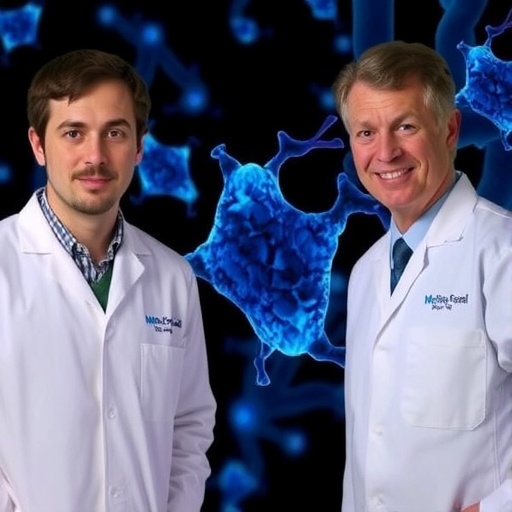
In a groundbreaking advance in stem cell biology, researchers have unveiled a pivotal mechanism that dictates how undifferentiated stem cells determine their developmental fate. Despite nearly thirty years since the isolation of human embryonic stem cells, the precise pathways enabling a single pluripotent cell to diversify into the myriad specialized cell types of the human body have remained incompletely understood. This new research penetrates the molecular intricacies governing cell identity, spotlighting the role of cytoplasmic biomolecular condensates known as processing bodies, or P bodies, in modulating cell destiny.
P bodies, cytoplasmic clusters composed primarily of RNA molecules and associated proteins, have long been enigmatic cellular structures. Initially characterized as RNA degradation hubs, these dynamic condensates were thought to act as passive repositories, where messenger RNAs (mRNAs) were sequestered and broken down when no longer needed. However, fresh insights reveal a far more nuanced functionality: P bodies serve as selective storage vaults that regulate the availability of specific RNA transcripts, thereby actively controlling gene expression programs critical for maintaining or altering a cell’s state.
Justin Brumbaugh, an assistant professor of Molecular, Cellular, and Developmental Biology at the University of Colorado Boulder and co-senior author on the study, likens this process to “cellular alchemy.” By strategically influencing the contents and integrity of P bodies, researchers successfully reprogrammed differentiated cells, effectively reversing them to more primitive developmental stages. This biochemical manipulation illuminated the pathway through which P bodies orchestrate the transition between cell identities, suggesting a fundamental regulatory hub in stem cell differentiation pathways.
The study encompassed comparative analyses across embryonic stem cells derived from human, mouse, and chicken models, enabling robust cross-species validation of P body function. This evolutionary conservation underscores the universal significance of RNA sequestration in developmental biology. Through sophisticated biochemical perturbations and RNA profiling techniques, the team demonstrated that disrupting P bodies liberates a subset of previously silenced RNAs. The sudden availability of these genetic messages rejuvenates the cell’s potential to revisit earlier developmental milestones, enhancing its plasticity.
This newfound control over cell plasticity enabled the generation of challenging cell types previously elusive in vitro. The researchers produced primordial germ-cell-like cells (PGCLCs), which mimic germ cells that give rise to sperm and eggs. Moreover, they achieved the creation of totipotent-like cells, a highly coveted cell type capable of differentiating into any cell lineage within the organism, including extraembryonic tissues. The induction of totipotent-like states marks a significant leap forward, as such cells have historically proven exceedingly difficult to derive and maintain in laboratory conditions.
The implications of these findings stretch beyond basic developmental biology into transformative avenues for regenerative medicine and reproductive health. Lab-generated germ cells offer a tantalizing prospect for future fertility treatments, potentially providing solutions for individuals facing infertility by enabling the in vitro production of viable gametes. Concurrently, totipotent-like cells derived through P body modulation could revolutionize organ regeneration strategies, offering personalized therapies wherein damaged tissues could be replenished by patient-specific cells engineered ex vivo.
In addition to therapeutic applications, this approach provides an unparalleled platform for dissecting the etiology of diseases rooted in early developmental errors. Neurodegenerative disorders such as Parkinson’s disease may be investigated by reverting mature neuronal cells from patients to their primordial states, illuminating molecular derailments early in development. Similarly, studying germ cell biology in a dish could unearth underlying mechanisms causing birth defects or infertility, informing preventative or corrective interventions.
Central to this regulatory paradigm is the role of microRNAs (miRNAs), a category of noncoding RNAs that govern gene expression post-transcriptionally. The study uncovered that these microRNAs critically influence which RNA transcripts are sequestered within P bodies. By modulating microRNA activity, it may become feasible to fine-tune RNA storage and release, adding another layer of control over cell fate decisions. This insight opens promising avenues for the design of novel therapeutics targeting microRNA-P body interactions to manipulate cell identity in disease contexts.
Founded on the pioneering discovery of P bodies by biochemistry professor Roy Parker in 2003, this research builds upon a decade of accumulating knowledge linking RNA processing dynamics with cellular function and disease. Dysregulation of P bodies has been implicated in disorders ranging from neurodegeneration to cancer, reinforcing their significance beyond developmental biology to encompass broad pathophysiological relevance.
The ability to destabilize P bodies and therefore unlock developmental plasticity represents a paradigm shift. This molecular “rewinding” effectively flips the epigenetic and transcriptomic switches that lock cells into specialized roles, reverting them to states where alternative developmental trajectories become accessible. Such manipulation alludes to a form of biological reprogramming that is more efficient and direct than previously established techniques relying on transcription factor overexpression.
Looking forward, the research community eagerly anticipates leveraging these findings to engineer stem cells with unprecedented precision. By decoding the language of RNA sequestration and storage within condensates, scientists are poised to expand the toolkit for regenerative therapies, disease modeling, and drug discovery. This study not only enriches our fundamental understanding of cellular differentiation but also catalyzes a wave of innovation with potential impacts spanning medicine, biology, and biotechnology.
In sum, the identification of selective RNA sequestration within P bodies as a key determinant of cell fate transitions opens compelling scientific and clinical vistas. Through deliberate manipulation of these biomolecular condensates, researchers can now efficiently revert cell differentiation states, generate rare and therapeutically valuable cell types, and explore early developmental processes with unprecedented clarity. This work exemplifies the profound insights unlocked when molecular cell biology converges with cutting-edge experimental methods, heralding a new era in stem cell research and its applications.
Cite Scienmag News
Drew Townsend. (November 4, 2025). Researchers Uncover Novel Method to Direct Stem Cell Fate. Scienmag. https://scienmag.com/researchers-uncover-novel-method-to-direct-stem-cell-fate/
Drew Townsend. "Researchers Uncover Novel Method to Direct Stem Cell Fate." Scienmag, 4 November 2025, https://scienmag.com/researchers-uncover-novel-method-to-direct-stem-cell-fate/. Accessed 3 September 2026.
Drew Townsend. "Researchers Uncover Novel Method to Direct Stem Cell Fate." Scienmag. November 4, 2025. https://scienmag.com/researchers-uncover-novel-method-to-direct-stem-cell-fate/


