


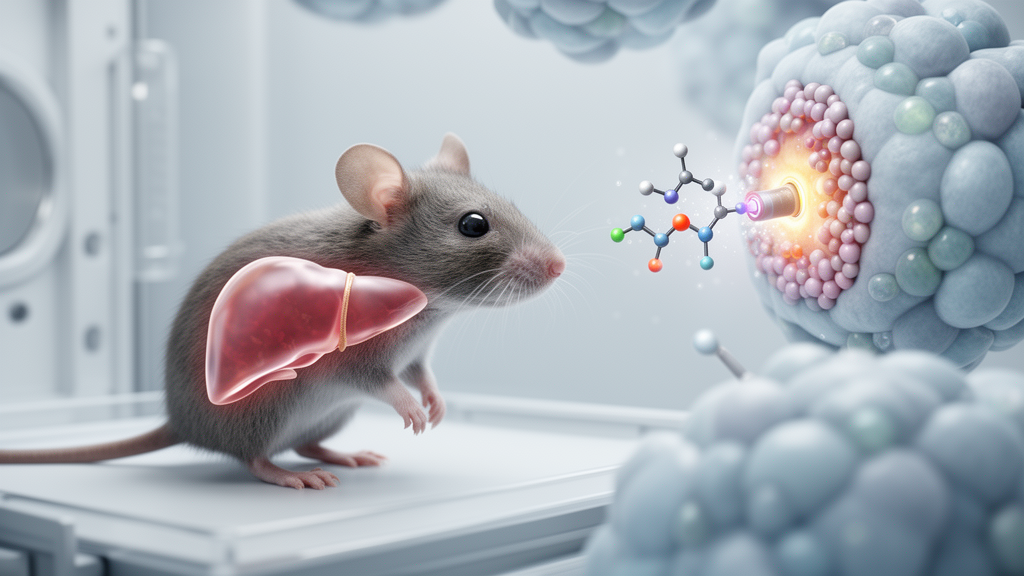
A fatty acid produced by bacteria associated with ruminants can activate the LRH-1/NR5A2 nuclear receptor in the intestine and liver, according to a peer-reviewed mouse study from the University of Konstanz. The compound, vaccenic acid, also reaches the human intestine through foods such as meat and dairy products derived from ruminants. In the mouse experiments, administering vaccenic acid significantly reduced blood sugar and blood lipid levels and improved an existing fatty liver condition.
The researchers identified vaccenic acid as the first bacterial ligand known to activate LRH-1, a transcription factor involved in inflammatory and metabolic regulation that also influences tumour development. These findings provide a molecular mechanism through which gut bacteria may affect metabolism, but they do not establish a clinical benefit in people. Thomas Brunner, professor of biochemical pharmacology at the University of Konstanz, and biologist Anna Pia Plazzo led the research with their team.
Their investigation began with a question about how LRH-1 is activated in the intestine and liver, where the receptor has been known to occur for more than two decades. Unlike nuclear receptors activated by well-defined molecules produced by the body, including thyroid hormones, LRH-1 does not have a clearly established endogenous ligand. Brunner and Plazzo therefore considered whether an activating molecule might come from the gut’s bacterial community.
Through experiments and molecular analyses, the team found that probiotic bacteria produce compounds capable of acting as ligands for LRH-1, with vaccenic acid emerging as the key bacterial product in the study. Vaccenic acid is a fatty acid generated by bacteria living in ruminants during rumination. It is subsequently distributed throughout the animal’s body, including muscle tissue and milk.
When people eat meat or dairy products from ruminants, the compound reaches the intestine, where it can continue to exert its effects. The study therefore links a bacterial product with a dietary route of human exposure, while locating the experimentally demonstrated health effects in mice rather than human participants. The authors said the work shows, at a molecular level, how an intact microbiome releases substances capable of regulating physiological processes throughout the body and positively influencing metabolism in their experimental system.
Further mouse experiments tested the consequences of vaccenic acid administration. The treatment produced statistically significant decreases in blood sugar and blood lipid levels, and it improved a pre-existing fatty liver condition. Brunner summarized the results by saying that vaccenic acid ultimately had a therapeutic effect on the body’s entire metabolism because it activates the LRH-1 transcription factor.
More precisely, the reported observations were changes in metabolic and liver-related markers in mice, not proof that the compound can treat fatty liver disease or other metabolic disorders in humans. The broader implication is that an imbalance in the gut microbiome may affect more than digestion. The research identifies a specific form of communication between bacteria and host cells: a bacterial fatty acid activates a nuclear receptor present in the intestine and liver, and that activation is associated with improved metabolic and fatty-liver markers in mice.
By contrast, the human body has difficulty activating these processes on its own, according to the research team’s description. The present evidence comes from bacterial-product identification, molecular analyses and mouse experiments, leaving the scale of relevance to human health unresolved.
Subject of Research: Bacterial vaccenic acid modulation of LRH-1 and metabolic liver disease in mice
Article Title: A tiny bacterium with a huge impact
Article References: A tiny bacterium with a huge impact. Original publication (Bibliographic details unavailable.)
Image Credits: AI Generated
DOI: Not provided
Keywords: gut microbiome, vaccenic acid, LRH-1, NR5A2, metabolism, fatty liver, mouse study, nuclear receptor, probiotic bacteria, microbiome-host signaling, tiny, bacterium
Cite Scienmag News
Drew Townsend. (October 26, 2026). Bacterial fatty acid activates metabolic receptor and improves liver markers in mice. Scienmag. https://scienmag.com/bacterial-fatty-acid-activates-metabolic-receptor-and-improves-liver-markers-in-mice/
Drew Townsend. "Bacterial fatty acid activates metabolic receptor and improves liver markers in mice." Scienmag, 26 October 2026, https://scienmag.com/bacterial-fatty-acid-activates-metabolic-receptor-and-improves-liver-markers-in-mice/. Accessed 26 October 2026.
Drew Townsend. "Bacterial fatty acid activates metabolic receptor and improves liver markers in mice." Scienmag. October 26, 2026. https://scienmag.com/bacterial-fatty-acid-activates-metabolic-receptor-and-improves-liver-markers-in-mice/


