

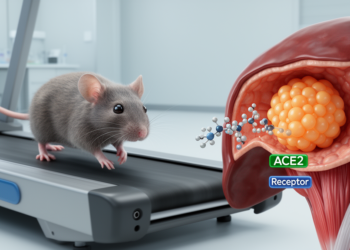
Exercise-linked muscle peptide reduces fatty liver through ACE2 in mice
A study in diabetic mice with fatty liver found that exercise-linked muscle peptide MOTS-c reduced steatosis through an AMPK–ACE2 pathway.
A study in diabetic mice with fatty liver found that exercise-linked muscle peptide MOTS-c reduced steatosis through an AMPK–ACE2 pathway.

A new cross-sectional study of 344 older adults links sarcopenia to a higher prevalence of sonographic fatty liver, though adjusted ...
A new quantitative framework combining measured sound speed data, Wood's equation modeling, Field II simulations, and oil–gelatin phantom experiments confirms ...
A new mouse study shows that curcumin from turmeric and the repurposed alcoholism drug disulfiram act synergistically to prevent weight ...
A Sri Lankan study of 260 newly diagnosed type 2 diabetes patients found that the Fatty Liver Index and Hepatic ...
A cross-sectional study of 1,158 adults finds that acanthosis nigricans peaks at the compensatory hyperinsulinemia stage, when insulin levels are ...
A new mouse study shows the rare sugar D-allulose reduces fatty liver and inflammatory injury in type 2 diabetes while ...
A nationwide analysis of over 10.7 million Chinese adults reveals that subclinical hypothyroidism affects 8.27 percent of the population and ...
New mouse research shows intestinal HIF1α is unnecessary for the metabolic gains of bariatric surgery but plays a vital protective ...
Scientists report that solanesol, a plant terpenoid from tobacco leaves, matched metformin's antidiabetic effects in mice at a forty-fold lower ...

Embark on a thrilling journey of discovery with Scienmag.com—your ultimate source for cutting-edge breakthroughs. Immerse yourself in a world where curiosity knows no limits and tomorrow’s possibilities become today’s reality!