


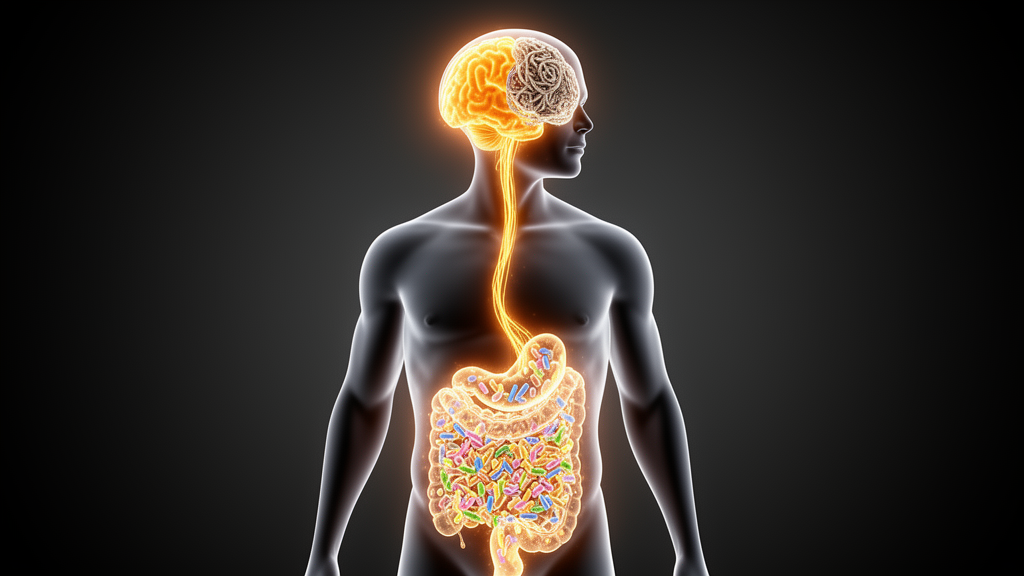
Alzheimer’s disease research has increasingly turned its attention to the gut-brain axis, the bidirectional communication network linking the gastrointestinal tract, its resident microbiota, and the central nervous system. This framework has illuminated how microbial metabolites, immune signaling, and neural pathways connect intestinal health to brain function. Yet a fundamental question remains unresolved: why can the brain and the organism as a whole maintain homeostatic balance for decades despite the relentless accumulation of aging, genetic susceptibility, and environmental stressors, and why does this resilience ultimately collapse in some individuals? A new conceptual framework, the Gut-Brain Homeostatic Continuum (GBHC), proposed in a recent review published in Frontiers in Neuroscience, addresses precisely this gap by reframing Alzheimer’s disease as a progressive erosion of organismal resilience rather than the outcome of a single pathological pathway.
The GBHC extends the classical gut-brain axis into a dynamic, interconnected system of layered homeostatic mechanisms. Rather than treating gut-brain interactions as parallel signaling routes operating independently, the framework emphasizes how the preservation of intestinal barrier integrity and blood-brain barrier integrity supports coordinated immune, metabolic, and inter-organ regulation. These coordinated processes, in turn, contribute to systemic proteostasis, the maintenance of proper protein folding and clearance throughout the body, and to the trafficking and removal of proteins between peripheral compartments and the central nervous system. Through these interconnected mechanisms, peripheral physiological states may directly influence the brain’s capacity to sustain homeostasis and resist neurodegenerative change.
At the core of this perspective lies a shift in how Alzheimer’s disease is conceptualized. Traditional models have focused on amyloid-β accumulation, phosphorylated tau pathology, and neuroinflammation as primary drivers of neurodegeneration. The GBHC does not dismiss these mechanisms but situates them within a broader systems context. Alzheimer’s disease, in this view, emerges when the layered regulatory systems that normally preserve physiological balance are progressively overwhelmed by the combined pressures of aging, genetic factors, and environmental exposures collectively referred to as the exposome. The framework suggests that the disease process reflects a gradual loss of adaptive capacity across multiple organ systems rather than a linear cascade initiated by a single molecular event.
The intestinal barrier represents a critical node in this continuum. When gut barrier function is compromised, microbial products and inflammatory mediators can translocate into systemic circulation, triggering immune activation that reverberates across organ boundaries. Similarly, the blood-brain barrier, which normally restricts the passage of peripheral molecules and immune cells into the central nervous system, may become increasingly permeable with age and disease. The GBHC proposes that the coordinated maintenance of both barriers is essential for preserving the biochemical separation that allows each compartment to function optimally, and that simultaneous weakening of these barriers may represent a key inflection point in the transition from resilient aging to neurodegeneration.
Immune regulation constitutes another central layer of the GBHC. The gut-associated lymphoid tissue, systemic immune cell populations, and resident brain immune cells such as microglia form an integrated surveillance network. Peripheral inflammatory states can modulate microglial activation profiles, altering the brain’s capacity to clear protein aggregates and maintain synaptic health. Conversely, central nervous system signals can influence gut motility, permeability, and microbial composition. This bidirectional immune communication means that chronic low-grade inflammation originating in the periphery may gradually erode the brain’s proteostatic mechanisms, accelerating the accumulation of misfolded proteins that characterize Alzheimer’s pathology.
Metabolic regulation forms a third interconnected layer within the framework. Microbial and host-derived metabolites, including short-chain fatty acids, bile acids, and tryptophan derivatives, serve as chemical messengers that link gut microbial activity to brain function. These metabolites influence insulin signaling, mitochondrial energetics, and epigenetic regulation in ways that either support or undermine neuronal resilience. The GBHC suggests that disruptions in metabolic homeostasis, whether arising from dietary patterns, microbial dysbiosis, or systemic metabolic disease, can compromise the energy supply and signaling environment that neurons require to maintain proteostasis and resist degenerative change.
One of the most practically significant contributions of the GBHC framework is its proposal for a complementary approach to biomarker discovery. Rather than relying on single molecular indicators, the framework advocates for multimodal signatures that capture biological trajectories and changes in regulatory capacity over time. Such signatures could integrate markers of barrier integrity and permeability, immune and metabolic regulation, microbial and host-derived metabolites, extracellular vesicle cargo, and proteostasis-related proteins. Importantly, these multimodal profiles would also incorporate established markers of neurodegeneration, including amyloid-β, phosphorylated tau, and neurofilament light chain, positioning them within a broader context of systemic physiological change rather than treating them as isolated disease indicators.
Extracellular vesicles, nanoscale membrane-bound particles released by cells throughout the body, represent a particularly promising source of biomarker information within this framework. These vesicles carry proteins, lipids, and nucleic acids that reflect the physiological state of their cells of origin and can cross biological barriers, including the blood-brain barrier. By analyzing the cargo of extracellular vesicles in peripheral biofluids, researchers may gain insight into the molecular changes occurring in the brain and other organs, providing a non-invasive window into the dynamic processes that the GBHC seeks to monitor.
The authors acknowledge that several aspects of the GBHC remain hypothetical and require rigorous experimental validation. The framework is presented as an integrative model that complements, rather than replaces, current concepts of Alzheimer’s disease pathogenesis. Its value lies in providing a systems-level perspective that can guide multidisciplinary research, connecting findings from microbiology, immunology, metabolism, and neuroscience into a coherent explanatory structure. By framing Alzheimer’s disease as a progressive erosion of organismal resilience, the GBHC also opens new perspectives for therapeutic innovation, suggesting that interventions aimed at strengthening barrier function, restoring immune balance, or supporting metabolic regulation might enhance physiological resilience and delay disease onset.
The Gut-Brain Homeostatic Continuum represents a significant conceptual advance in Alzheimer’s disease research, offering a framework that explains both the remarkable capacity of the aging brain to maintain function and the conditions under which this capacity ultimately fails. By emphasizing the layered, interconnected nature of homeostatic mechanisms spanning the gut, the immune system, metabolism, and the brain, the GBHC provides a foundation for understanding Alzheimer’s disease as a systems-level phenomenon. As research continues to validate and refine this model, it may reshape how scientists and clinicians approach biomarker development, therapeutic design, and ultimately the prevention of one of the most devastating neurodegenerative conditions of our time.
Subject of Research: A systems framework linking gut-brain homeostatic mechanisms to physiological resilience and Alzheimer's disease progression
Article Title: The Gut-Brain Homeostatic Continuum in Alzheimer’s disease: a systems framework for physiological resilience and disease progression
Article References: Jacquier-Sarlin, M., Seignobos, M., Rauzier, L., Schaack, B., Laurin, D., & Buisson, A. (2026). The Gut-Brain Homeostatic Continuum in Alzheimer’s disease: a systems framework for physiological resilience and disease progression. Frontiers in Neuroscience, 20, Article 1963040. https://doi.org/10.3389/fnins.2026.1963040
Image Credits: AI Generated
DOI: 10.3389/fnins.2026.1963040
Keywords: Gut-Brain Axis, Alzheimer's Disease, Homeostasis, Neurodegeneration, Microbiota, Blood-Brain Barrier, Proteostasis, Biomarkers, Extracellular Vesicles, Systems Biology, Resilience, Inflammation
Cite Scienmag News
Cassandra Pierce. (October 19, 2026). Gut-Brain Homeostatic Continuum: A Systems Framework for Alzheimer’s Disease Resilience and Progression. Scienmag. https://scienmag.com/gut-brain-homeostatic-continuum-a-systems-framework-for-alzheimers-disease-resilience-and-progression/
Cassandra Pierce. "Gut-Brain Homeostatic Continuum: A Systems Framework for Alzheimer’s Disease Resilience and Progression." Scienmag, 19 October 2026, https://scienmag.com/gut-brain-homeostatic-continuum-a-systems-framework-for-alzheimers-disease-resilience-and-progression/. Accessed 19 October 2026.
Cassandra Pierce. "Gut-Brain Homeostatic Continuum: A Systems Framework for Alzheimer’s Disease Resilience and Progression." Scienmag. October 19, 2026. https://scienmag.com/gut-brain-homeostatic-continuum-a-systems-framework-for-alzheimers-disease-resilience-and-progression/


