


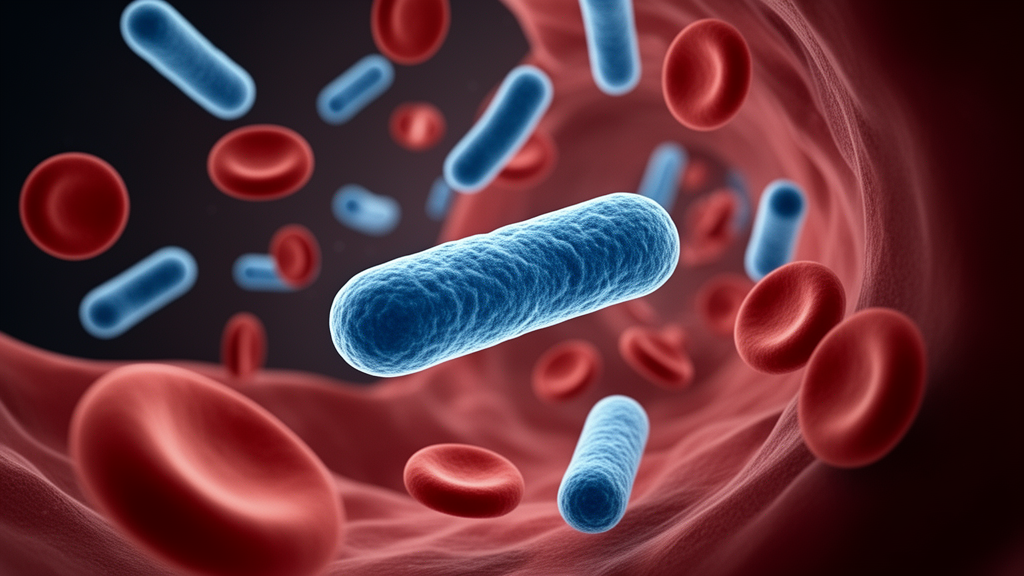
When the COVID-19 pandemic swept through hospitals worldwide, clinicians fighting an unknown viral disease reached for every tool available. Antibiotics, though useless against the virus itself, were prescribed at extraordinary rates, given empirically to critically ill patients whose deteriorating lungs and invasive devices left them dangerously vulnerable to bacterial invasion. Six years on, the microbiological bill for that crisis is coming due. A new correspondence published in BMC Infectious Diseases by Sabino and colleagues at the Federal University of Uberlândia in Brazil examines the shifting landscape of bloodstream infections before and after the pandemic, drawing on data from a tertiary teaching hospital in Iran and contextualizing it with intensive care findings from Brazil. The picture that emerges is one of stable overall epidemiology but a worrying drift toward more resistant organisms.
The correspondence responds to a retrospective study by Jafarpour and colleagues, published in the same journal in 2025, which analyzed bloodstream infections over a six-year period at a tertiary teaching hospital in Iran, comparing pre-pandemic and pandemic phases. Bloodstream infections, in which bacteria or fungi circulate in the blood and can seed organs throughout the body, are among the most lethal healthcare-associated infections. The Iranian team found that the etiological profile remained dominated by Gram-negative organisms, a pattern consistent with previous studies from tertiary care settings. Gram-negative bacteria, whose outer membranes make them inherently harder to treat, include some of the most formidable pathogens in modern hospitals.
Yet beneath that stable surface, important changes were underway. The researchers documented an increase in Enterobacterales, the order of Gram-negative bacilli that includes Escherichia coli, Klebsiella species, and Enterobacter species. At the same time, Stenotrophomonas maltophilia, a non-fermenting bacillus that had been a notable player in pre-pandemic bloodstream infections, declined markedly. This redistribution matters clinically because Enterobacterales carry well-characterized resistance mechanisms, including extended-spectrum beta-lactamases and carbapenemases, that can spread rapidly between species and hospitals. A shift toward these organisms, even without a change in overall Gram-negative predominance, can translate into harder-to-treat infections and narrower therapeutic options.
The resistance data accompanying these shifts are the most alarming element of the findings. The Iranian study reported a concerning rise in antimicrobial resistance, particularly among Gram-negative pathogens, with increased resistance spanning multiple antibiotic classes, including carbapenems, often the last reliable line of defense against multidrug-resistant Gram-negative infections. The proportion of methicillin-resistant Staphylococcus aureus, or MRSA, increased substantially, while high rates of vancomycin-resistant enterococci persisted. Collectively, the authors suggest that while the overall epidemiological pattern of bloodstream infections remained stable, the COVID-19 pandemic may have contributed to a shift toward more resistant organisms, effectively raising the resistance floor of the hospital microbiome.
To understand why a viral pandemic would drive bacterial resistance, the Brazilian commentators point to the mechanics of selective pressure. Intensified and often empirical antibiotic use during the COVID-19 pandemic exposed bacterial populations to sustained antimicrobial assault, killing susceptible strains and leaving resistant ones to flourish and spread. In intensive care units, where patients undergo multiple invasive procedures and are managed with broad empirical antimicrobial therapy, this pressure operates at maximum intensity. The commentators note that the situation in Brazil was particularly challenging, given the already high burden of healthcare-associated infections and the clinical complexity of ICU patients, who often require mechanical ventilation, central venous catheters, and urinary devices that serve as gateways for bacterial entry.
The Brazilian team’s own data confirm and expand upon the Iranian observations. In a descriptive, single-center study conducted at a tertiary university hospital, the researchers retrospectively analyzed 474 patients with laboratory-confirmed COVID-19 admitted to a dedicated COVID-19 intensive care unit between June 2020 and December 2021. Clinical data were collected from medical records, and infections were classified as healthcare-associated when symptoms appeared at least 48 hours after admission without evidence of infection at the time of entry. Ventilator-associated pneumonia was defined by the presence of at least 10 to the fifth colony-forming units per milliliter in tracheal aspirate cultures from patients on invasive mechanical ventilation for at least 48 hours, while bloodstream infection required a positive blood culture collected at least 48 hours after hospital or ICU admission.
The results are sobering. The Brazilian team observed a 44.5 percent incidence of secondary healthcare-associated infections diagnosed by microbiological criteria, meaning 211 of 474 critically ill COVID-19 patients developed laboratory-confirmed secondary infections. Of these, 45.3 percent were caused by Gram-negative microorganisms, predominantly involving the lungs and bloodstream. In total, 757 microorganisms were recovered from the 474 patients, and 79.4 percent of those isolates, 601 of 757, were antimicrobial-resistant. Bacterial identification and susceptibility testing were performed using the VITEK 2 automated system, with non-susceptibility classified according to the international expert definitions proposed by Magiorakos and colleagues, based on Clinical and Laboratory Standards Institute interpretive criteria.
Antimicrobial use was high in both the Iranian and Brazilian settings, with the main emphasis on beta-lactams, particularly broad-spectrum agents, though the use of polymyxins and antifungals was unexpectedly high. A trend toward increased prescribing was observed among patients with bloodstream infections, possibly related to the more rapid clinical progression and higher mortality in these cases, which may justify the empirical use of last-resort agents. The commentators report that Escherichia coli showed reduced susceptibility to meropenem, Klebsiella species exhibited significant rises in resistance to tetracycline, ciprofloxacin, and gentamicin, and Enterobacter species demonstrated increased resistance to most evaluated antibiotics, reinforcing the trend of expanding resistance among Gram-negative bacilli. These findings align with Brazilian data from Braga and colleagues and Urzedo and colleagues, which showed that antimicrobial resistance rates and antibiotic consumption were lower before the pandemic, suggesting the pandemic contributed to a worsening resistance scenario.
The convergence of evidence from different geographic regions highlights a critical global issue: the consequences of widespread, intense, and empirical antimicrobial use during the COVID-19 pandemic. Studies across Latin America consistently report high prevalence rates of antimicrobial use, particularly broad-spectrum antibiotics, especially during the pandemic, and the indiscriminate use of these agents exerts selective pressure on microorganisms, promoting acquired resistance mechanisms and limiting therapeutic options. Similar to Brazil, Iran has implemented institutional antimicrobial stewardship programs, but chronic challenges remain, including high use of empirical broad-spectrum antibiotics in hospital and ICU settings. In Brazilian tertiary hospitals, reported healthcare-associated infection prevalence ranges from 44.3 to 79.4 percent, with pneumonia and bloodstream infections among the most frequent, and the microorganisms most often isolated in high-morbidity infections are Gram-negative bacilli, notably the non-fermenting Pseudomonas aeruginosa and Acinetobacter baumannii, alongside Klebsiella pneumoniae and Escherichia coli.
The commentators caution that their study was conducted at a single Brazilian tertiary university hospital during the pandemic, and that comparisons with other cohorts should be interpreted with care due to differences in population characteristics, clinical settings, and study designs, with the retrospective design and sample size potentially limiting some analyses. Nevertheless, the message is clear and urgent. The findings highlight the substantial burden of healthcare-associated infections caused by resistant organisms among critically ill COVID-19 patients, particularly ventilator-associated pneumonia and bloodstream infections, and emphasize the importance of continuous surveillance to guide empirical antibiotic treatment strategies, strengthen infection prevention measures, and optimize antimicrobial stewardship in intensive care settings. Addressing these challenges, the authors argue, is essential to mitigate the impact of antimicrobial resistance during future public health emergencies, because the next pandemic will arrive in hospitals already populated by bacteria shaped by the selective pressures of this one.
Subject of Research: Changes in microbiological characteristics of bloodstream infections before and after the COVID-19 pandemic in a tertiary teaching hospital in Iran
Article Title: Comment on: Changes in microbiological characteristics of bloodstream infections before and after the COVID-19 pandemic in a tertiary teaching hospital in Iran
Article References: Sabino, S. S., Fernandes, A. M., Queiroz, N. L., de Brito, C. S., Queiroz, L. L., Melgarejo, C. R. V., Gontijo Filho, P. P., & Ribas, R. M. (2026). Comment on: Changes in microbiological characteristics of bloodstream infections before and after the COVID-19 pandemic in a tertiary teaching hospital in Iran. BMC Infectious Diseases, 26(1), Article 1668. https://doi.org/10.1186/s12879-026-14075-y
Image Credits: AI Generated
DOI: 10.1186/s12879-026-14075-y
Keywords: bloodstream infection, antimicrobial resistance, COVID-19, Gram-negative bacteria, healthcare-associated infections, MRSA, carbapenem resistance, intensive care unit, antimicrobial stewardship, Enterobacterales, Comment, Changes
Cite Scienmag News
Kristina Jarvis. (October 19, 2026). COVID-19 Left a Resistant Bacterial Legacy in Hospital Bloodstreams. Scienmag. https://scienmag.com/covid-19-left-a-resistant-bacterial-legacy-in-hospital-bloodstreams/
Kristina Jarvis. "COVID-19 Left a Resistant Bacterial Legacy in Hospital Bloodstreams." Scienmag, 19 October 2026, https://scienmag.com/covid-19-left-a-resistant-bacterial-legacy-in-hospital-bloodstreams/. Accessed 19 October 2026.
Kristina Jarvis. "COVID-19 Left a Resistant Bacterial Legacy in Hospital Bloodstreams." Scienmag. October 19, 2026. https://scienmag.com/covid-19-left-a-resistant-bacterial-legacy-in-hospital-bloodstreams/


