


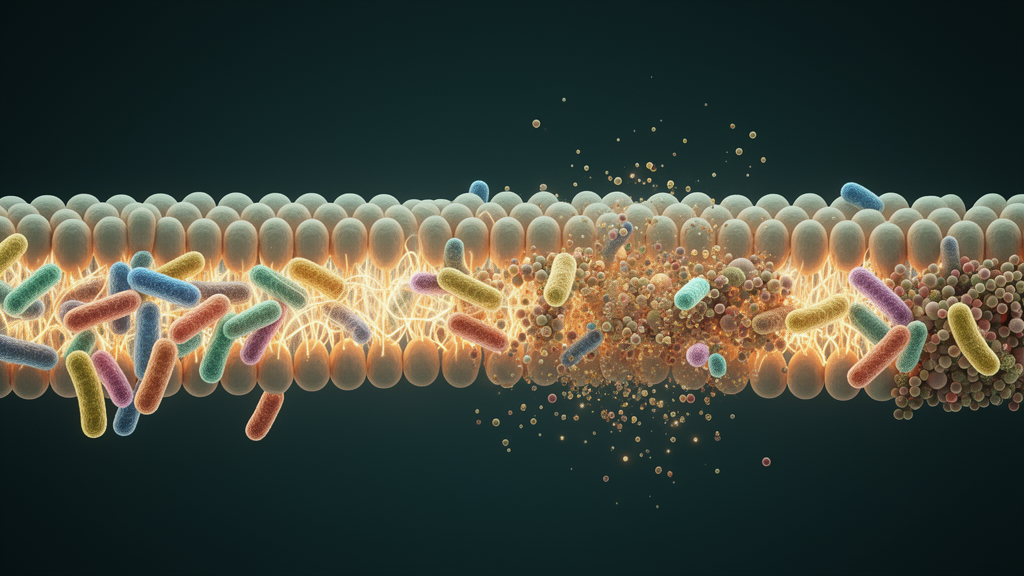
Every living cell in your body is the descendant of an ancient act of cooperation. Roughly two billion years ago, an archaeal host engulfed an alpha-proteobacterium, and instead of digesting it, the two struck a metabolic bargain that produced mitochondria. These organelles kept their own genome while outsourcing key functions to the host nucleus, evolving not as subordinates but as negotiating partners in gene transfer and redox balance. According to a sweeping new review published in Frontiers in Microbiomes, that first intracellular symbiosis was not a one-off event but the opening move in a strategy that still governs your health today. The authors argue that biological complexity itself is rooted in symbiosis, and that aging and disease can be understood as a progressive collapse of a modern, three-way symbiotic network they call the diet-microbiota-host gene triad.
The triad is a dynamic network in which dietary inputs, the gut microbiota, and the host genome co-regulate physiological equilibrium. Over evolutionary time, organisms outsourced nutrient synthesis, coming to rely on external sources, particularly microbes, for essential amino acids, vitamins, cofactors, and neurotransmitters. This metabolic outsourcing freed energy for advanced traits such as locomotion and neural complexity, but it also made survival dependent on a protected, nutrient-rich internal habitat: the gut. Microbes colonizing the gut, spanning bacteria, archaea, fungi, protozoans, and viruses, retained or acquired metabolic functions lost by the host, supplementing the diet and shaping physiology. Nutrition thus became a triadic interplay between host, environment, and microbiota, and the molecular dialogues between the host genome, microbial metabolism, and environmental inputs preserve internal stability amid nutritional variability.
Technically, the microbiota operates as a separate metabolic organ with coding capacity that surpasses even the host. Gut microbes ferment dietary fiber into short-chain fatty acids, or SCFAs, and biosynthesize vitamins, amino acids, and neuroactive compounds. SCFAs have emerged as master regulators of host physiology through receptor-mediated and epigenetic mechanisms. By activating the receptors GPR41 and GPR43, they influence neutrophil chemotaxis, T cell differentiation, and cytokine production. Butyrate, a potent inhibitor of histone deacetylases, promotes anti-inflammatory gene expression, regulatory T cell expansion, and tolerogenic antigen-presenting cell phenotypes. Early-life SCFA exposure epigenetically programs T-cell development, establishing long-term immune competence. A decline in SCFA-producing bacteria with age is associated with increased inflammation and is linked to autoimmune diseases such as Type 1 Diabetes, rheumatoid arthritis, and multiple sclerosis.
The review places particular emphasis on the epigenome-microbiome axis, a fundamentally bidirectional relationship in which microbial metabolites remodel host chromatin while epigenetic states in host cells influence the composition of the resident microbial community. Commensal taxa such as Lactobacillus and Bifidobacterium synthesize folate, which fuels one-carbon metabolism and supports the production of S-adenosylmethionine, the universal methyl donor for DNA and histone methylation. Microbial exposure also modulates the activity of ten-eleven translocation dioxygenases: colonization induces localized DNA demethylation at regulatory elements in intestinal epithelial cells in a TET2/3-dependent manner, activating early response genes required for epithelial homeostasis. The gut microbiota even programs diurnal oscillations in histone acetylation marks in colonic epithelial cells by driving rhythmic recruitment of HDAC3 to the chromatin, synchronizing intestinal gene expression with circadian cycles. In germ-free mice, these epigenetic and transcriptional rhythms are markedly dampened or absent.
As organisms age, this triadic equilibrium destabilizes. The balance of microbiota shifts with multi-level changes, including the expansion of pro-inflammatory taxa, the decline of beneficial strains, weakening of mucosal barriers, and subsequent susceptibility to pathogenic microbes, culminating in a chronic low-grade inflammation termed inflammaging. Yet the microbiomes of centenarians offer a striking counterpoint. Functional analyses reveal higher glycolytic potential, SCFA metabolism, and alternative amino acid metabolism pathways. Centenarian microbiomes harbor vitamin biosynthesis pathway genes for menaquinone and riboflavin, archaeal metabolic genes for coenzyme M and F420, and genes for unique secondary bile acids such as lithocholic acid isomers, which may reduce pathogenic infection risk. Their microbiomes show elevated levels of Coprococcus and Faecalibacterium, taxa associated with anti-inflammatory effects, alongside Akkermansia, Lactobacillus, Roseburia, Bifidobacterium, and Christensenellaceae. These features suggest that microbiome resilience and functional capacity, rather than chronological age alone, may support healthy longevity.
Diet functions as the preeminent modifiable environmental influence shaping the triad. Dietary fibers, an intricate matrix of nondigestible carbohydrates including cellulose, hemicellulose, oligosaccharides, and resistant starch, resist enzymatic digestion in the upper digestive tract and arrive intact in the colon, becoming the principal fermentative substrate for the resident microbiota. Upon microbial fermentation, the major end products are SCFAs, which fulfill about 2 to 10 percent of daily human energy requirements. Butyrate nourishes colonocytes and confers anti-inflammatory, anticarcinogenic, and immunomodulatory benefits; acetate supports lipid biosynthesis; propionate participates in hepatic gluconeogenesis and orchestrates appetite and lipid metabolism. Fermentable fibers such as inulin, fructooligosaccharides, galactooligosaccharides, resistant starch, and beta-glucans exert pronounced prebiotic effects, promoting the growth of butyrate-producing bacteria. Studies comparing African children on high-fiber diets with European children on fiber-poor diets documented elevated Prevotella levels and enhanced SCFA synthesis in the former, indicating a healthier microbial architecture.
By contrast, the Western dietary pattern, marked by fiber scarcity, saturated and trans fats, refined grains, sugars, and ultra-processed foods, depletes beneficial fermenters and suppresses SCFA synthesis, thinning the mucus layer, elevating intestinal permeability, and increasingly exposing the host to infection and inflammatory assault. Diminished SCFA production compromises epithelial integrity and elevates circulating endotoxins while amplifying trimethylamine N-oxide, secondary bile acids, and pro-inflammatory metabolites linked to obesity, cardiovascular disease, inflammatory bowel disease, and cancer. The ketogenic diet presents its own paradox: while short-term KD improves weight management and metabolism among overweight or epileptic patients, it consistently narrows microbiome diversity, decreases Bifidobacterium abundance, and erodes butyrate producers such as Roseburia and Eubacterium rectale, raising concerns about long-term dysbiosis in susceptible populations. The Mediterranean diet, rich in vegetables, fruits, legumes, whole grains, nuts, seeds, and extra virgin olive oil, promotes greater microbial richness and evenness, expanding SCFA-producing bacteria while lowering TMAO production through reduced red meat intake and interspecies competition by fiber-degrading microbes.
Host genes have co-evolved as critical modulators of the triad, encoding nutrient sensors, immune effectors, and proteins that maintain microbial balance and prevent dysbiosis. Polymorphisms in key metabolic and immune genes fine-tune responses to dietary and microbial adaptations, building resilience across different contexts. The review catalogs robustly replicated gene-diet interactions: the TCF7L2 rs7903146 risk allele, the strongest genetic risk factor for Type 2 diabetes, paradoxically shows increased susceptibility when consuming high-fiber diets, with impaired incretin signaling in T-allele carriers in whom SCFAs fail to provide their typical protective effects on glucose homeostasis. The IRS1 rs2943641 CC genotype, traditionally associated with insulin resistance, paradoxically demonstrates superior improvements in insulin sensitivity and weight loss when consuming high-carbohydrate, low-fat diets, effectively reversing the genetic predisposition. The APOE epsilon4 allele, conferring up to a 10-fold increased Alzheimer’s disease susceptibility in homozygous carriers, creates unique dietary fat preferences, with older carriers showing improved cognitive function following acute high-fat meal consumption while non-carriers show cognitive deterioration under identical conditions. The MTHFR C677T polymorphism modulates the dynamic interactions between folate intake and cardiovascular health, with Mediterranean diet intake reducing homocysteine concentrations specifically in TT and CT genotype carriers but not in CC individuals.
The review also highlights the non-bacterial microbiome as a dynamic participant in the triad. The gut mycobiome, comprising genera such as Saccharomyces, Candida, and Malassezia, is highly diet-responsive, with carbohydrate-rich patterns associated with increased relative abundance of Candida albicans, whereas higher protein and fat intake tends to deplete Candida and favor enrichment of Saccharomyces species. The gut virome is dominated numerically by bacteriophages, which act as ecological rheostats by selectively lysing bacterial hosts and, in the lysogenic state, transferring functional genes that remodel bacterial metabolic capacity. In older age, virome diversity tends to decline in parallel with waning barrier integrity, whereas centenarian cohorts exhibit a highly diverse phageome characterized by elevated lytic activity and enrichment of phages carrying auxiliary metabolic functions thought to support mucosal integrity. The archaeome, dominated by Methanobrevibacter smithii, participates in syntrophic cross-kingdom networks by consuming molecular hydrogen and carbon dioxide produced during bacterial fermentation, preventing accumulation of fermentation by-products and increasing the efficiency of bacterial polysaccharide degradation and SCFA production.
Sex differences add another layer of complexity to the triad. Sex hormones directly shape microbial community structure throughout the lifespan. Estrogen is associated with greater relative Lactobacillus abundance and higher overall microbial diversity in premenopausal women than in men of similar age. The decline in circulating estrogens following menopause correlates with a shift towards more pro-inflammatory microbiome composition, a change that may contribute to the accelerated bone loss and increased cardiovascular risk characteristics of the postmenopausal period. In males, higher circulating testosterone is associated with a reduced relative abundance of Bacteroidetes taxa and altered SCFA profiles. Gene-diet interactions are equally subject to sex-specific modulation; the effect size of the FTO rs9939609 obesity risk allele differs between men and women, and the cognitive response to dietary fat in APOE4 carriers shows sex-dependent outcomes. Collectively, these observations underscore the importance of treating sex as a fundamental biological variable in microbiome and nutritional genomics research.
Despite the breadth of current knowledge, the triad framework remains incomplete. Most human evidence linking dysbiosis to aging and age-related diseases is observational and cross-sectional, inherently limiting causal inference, and often subject to substantial confounding from variables including polypharmacy, stool form and transit time, and physical exercise. Widely used 16S rRNA gene surveys lack the taxonomic and functional resolution needed to distinguish species- or strain-level differences that may be critical for metabolite production and host interactions, underscoring the need for broader adoption of deep shotgun metagenomics and metatranscriptomics. Rodent models remain indispensable for establishing mechanistic links but translating findings to humans is extremely difficult, as mice and humans differ in key anatomical, immunological, and metabolic features. The emerging field of precision geronutrition, which integrates genomics, metagenomics, metabolomics, transcriptomics, and proteomics, offers a promising route toward truly individualized dietary strategies for optimizing healthspan. A key objective is to modulate core aging pathways, including nutrient-sensing networks such as mTOR, AMPK, and sirtuins, and mitochondrial function, through targeted dietary and microbiome interventions. Caloric restriction and targeted bioactive phytochemicals including curcumin and epigallocatechin gallate can attenuate chronically elevated mTORC1 activity and activate sirtuins, thereby promoting autophagy and delaying cellular senescence.
Ultimately, the authors argue that health is not dictated by genes, diet, or microbiota in isolation, but by their continuous and dynamic interplay. The triad represents a co-regulated network that underlies metabolic homeostasis, immune balance, and organismal function across the lifespan, and any imbalance in either triadic counterpart has long-standing consequences for the host’s health. Moving forward, research and clinical practice in aging and age-related diseases need to adopt this framework and consider the interplay among genetic variation, dietary patterns, and microbiome composition as an integral stratification underlying health outcome. This has direct implications for precision medicine, wherein therapeutic interventions, dietary guidelines, and public health policies can be tailored to preserve or restore the symbiotic balance. Understanding and leveraging the diet-microbiota-host gene axis offers a path not only to treating diseases but also to maintaining resilience and building lifestyles that extend healthspan in an aging population worldwide.
Subject of Research: Health
Article Title: From cooperation to collapse: the diet-microbiota-host gene triad in disease and aging
Article References: Bhattacharjee, S., & Mukhopadhyay, A. (2026). From cooperation to collapse: the diet-microbiota-host gene triad in disease and aging. Frontiers in Microbiomes, 5, Article 1872481. https://doi.org/10.3389/frmbi.2026.1872481
Image Credits: AI Generated
DOI: 10.3389/frmbi.2026.1872481
Keywords: microbiome, aging, nutrition, epigenetics, precision medicine, gut-brain axis, inflammaging, gene-diet interactions, cooperation, collapse, diet-microbiota-host, gene
Cite Scienmag News
Morgan Morrow. (October 17, 2026). From cooperation to collapse: the diet-microbiota-host gene triad in disease and aging. Scienmag. https://scienmag.com/from-cooperation-to-collapse-the-diet-microbiota-host-gene-triad-in-disease-and-aging/
Morgan Morrow. "From cooperation to collapse: the diet-microbiota-host gene triad in disease and aging." Scienmag, 17 October 2026, https://scienmag.com/from-cooperation-to-collapse-the-diet-microbiota-host-gene-triad-in-disease-and-aging/. Accessed 17 October 2026.
Morgan Morrow. "From cooperation to collapse: the diet-microbiota-host gene triad in disease and aging." Scienmag. October 17, 2026. https://scienmag.com/from-cooperation-to-collapse-the-diet-microbiota-host-gene-triad-in-disease-and-aging/


