


Biliary tract cancers, which include cholangiocarcinoma and gallbladder cancer, remain among the most lethal malignancies in human oncology. Patients are typically diagnosed at advanced stages, when surgical options are limited and survival is measured in months rather than years. Even when chemotherapy is delivered promptly, the tumors display an stubborn intrinsic resistance to the standard gemcitabine and cisplatin regimen that has anchored treatment for years. A new review published in Frontiers in Cell Death argues that a major reason drug development has repeatedly failed in this disease lies not only in the biology of the tumors themselves, but in the laboratory tools used to study them.
For decades, cancer pharmacology has depended on two-dimensional monolayer cultures, in which tumor cells grow as flat sheets on plastic. These systems are cheap, fast, and easy to standardize, which explains their enduring popularity. Yet they systematically strip away the features that make real tumors hard to kill. In a monolayer, every cell receives equal access to nutrients, oxygen, and drug molecules, and there is no architecture to speak of. In a living tumor, by contrast, cells are packed into dense three-dimensional masses where oxygen levels fall steeply, waste accumulates, and blood-borne drugs must traverse layers of extracellular matrix and multiple cell populations before reaching their targets.
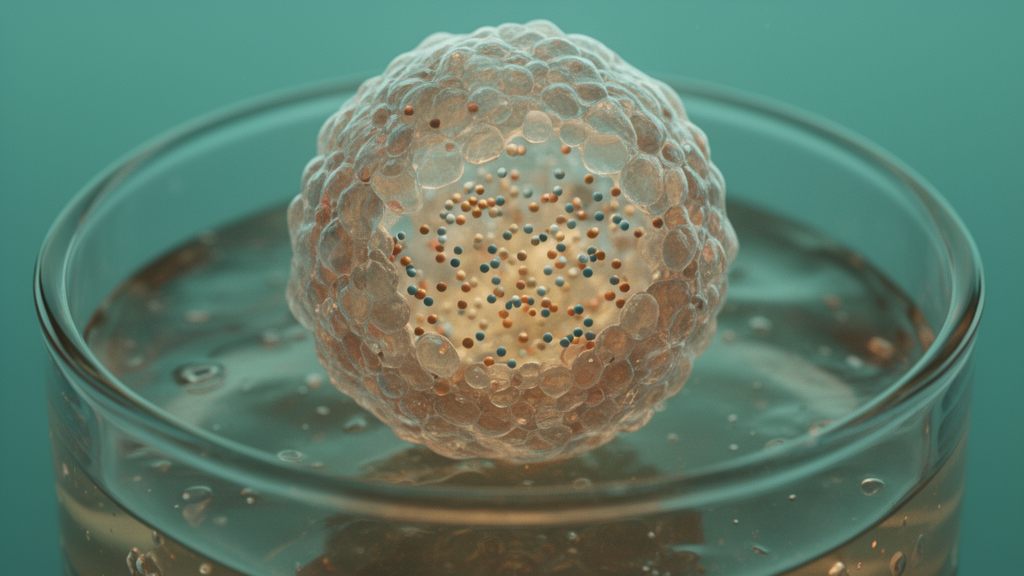
The review, which surveys the evidence base for biliary tract cancer research specifically, contends that this architectural fidelity is not a cosmetic detail but a decisive determinant of drug response. Three-dimensional tumor models recreate physiological barriers that are absent from flat cultures, including hypoxia-driven metabolic reprogramming, dense extracellular matrix shielding, and gradients of drug distribution. Each of these factors can independently reduce the effective concentration of a chemotherapeutic agent inside the tumor, and in combination they help explain why compounds that look potent in the dish collapse in the clinic.
Hypoxia deserves particular attention. When tumor regions are starved of oxygen, cancer cells shift their metabolism toward glycolysis, alter their redox balance, and activate transcriptional programs that favor survival under stress. This metabolic reprogramming is well documented to blunt the activity of drugs whose mechanisms depend on cellular proliferation or on the generation of reactive oxygen species. Flat cultures simply cannot generate the oxygen gradients that trigger these adaptations, so the resistance phenotypes they would reveal remain invisible to conventional screening pipelines.
The extracellular matrix presents a parallel problem. In biliary tract cancers, desmoplastic stromal reactions produce a dense fibrotic matrix that physically impedes drug penetration while simultaneously delivering survival signals to embedded tumor cells. Three-dimensional scaffolds and spheroid systems can be engineered to reproduce this fibrotic environment, allowing researchers to measure how deeply a given agent permeates the tumor mass and how matrix-associated signaling changes the thresholds for cell death. The review emphasizes that this so-called multicellular resistance is a property of the tumor as a system, not of individual cells, which is precisely why it evaporates in monolayer experiments.
At the molecular heart of chemoresistance in these cancers lies the evasion of apoptosis, the canonical programmed cell death pathway that most cytotoxic drugs are designed to trigger. The review highlights dysregulation of the Bcl-2 protein family rheostat, a balance between pro-death and pro-survival members that determines whether a cell commits to apoptosis after suffering drug-induced damage. In three-dimensional models, biliary tract cancer cells show heightened dependence on anti-apoptotic guardians such as Bcl-xL and Mcl-1, proteins that buffer the cell against mitochondrial outer membrane permeabilization. This dependence profile is far more informative than bulk viability assays, because it points directly toward rational drug combinations, for example pairing chemotherapy with selective Mcl-1 or Bcl-xL inhibitors.
Beyond apoptosis, the three-dimensional context provides a far more faithful setting for investigating alternative cell death modalities. Ferroptosis, an iron-dependent form of death driven by lipid peroxidation, and necroptosis, a regulated necrotic pathway, have attracted intense interest as ways to kill tumor cells that have learned to block apoptosis. The review argues that the metabolic states, oxygen tensions, and matrix interactions present in 3D cultures substantially change how these pathways are engaged, meaning that ferroptosis- and necroptosis-inducing agents must be evaluated in architectures that resemble real tumors rather than in cells flattened on plastic.
Another resistance reservoir that only architecture-dependent models can expose is the population of quiescent cancer stem cells sheltered within specialized niches. These slowly dividing cells are thought to survive chemotherapy and later seed relapse, but in a monolayer most cells cycle actively and the stem-like state is poorly maintained. Three-dimensional organoid and spheroid systems preserve niche signaling, allowing researchers to identify the dormant subpopulations, characterize the signals that protect them, and test strategies aimed at flushing them out of quiescence before or during treatment.
The most clinically ambitious application of these platforms involves patient-derived organoids, miniature tumors grown from a patient’s own tissue that retain the genetic, epigenetic, and architectural features of the original malignancy. The review frames such organoids as high-fidelity clinical avatars: they can be screened against panels of drugs and combinations in vitro, and the results used to guide precision oncology decisions for the individual patient. For a disease like biliary tract cancer, where molecular heterogeneity is wide and effective targeted options remain limited, the prospect of testing regimens on a personalized tumor replica before committing the patient to toxicity is a compelling translational goal.
The authors are careful to keep the promise of 3D models in perspective. Two-dimensional culture limitations are only one component of a broader translational pipeline that also includes animal models, gaps in biomarker development, and the anatomical challenges of treating tumors in the bile ducts and liver. Outstanding problems include standardizing culture protocols so that results can be compared across laboratories, integrating functional immune components into the models, and scaling production to industrial screening volumes. Even so, the central message is unambiguous: if researchers want to understand why gemcitabine and cisplatin fail, and to design combinations that overcome that failure, the tumors must be studied in three dimensions. Adopting these physiologically relevant systems, the review concludes, is imperative for dismantling the profound chemoresistance that has long defined biliary tract cancer.
Subject of Research: Drug resistance and apoptosis evasion in biliary tract cancers studied with 3D tumor models
Article Title: Decoding drug resistance and apoptosis in biliary tract cancers using 3D tumor models
Article References: Decoding drug resistance and apoptosis in biliary tract cancers using 3D tumor models. (n.d.). https://doi.org/10.3389/fceld.2026.1819303
Image Credits: AI Generated
DOI: 10.3389/fceld.2026.1819303
Keywords: biliary tract cancer, cholangiocarcinoma, gallbladder cancer, drug resistance, apoptosis, 3D tumor models, patient-derived organoids, hypoxia, extracellular matrix, Bcl-2, ferroptosis, precision oncology
Cite Scienmag News
Nathaniel Bowman. (October 15, 2026). 3D Tumor Models Expose How Biliary Tract Cancers Evade Chemotherapy. Scienmag. https://scienmag.com/3d-tumor-models-expose-how-biliary-tract-cancers-evade-chemotherapy/
Nathaniel Bowman. "3D Tumor Models Expose How Biliary Tract Cancers Evade Chemotherapy." Scienmag, 15 October 2026, https://scienmag.com/3d-tumor-models-expose-how-biliary-tract-cancers-evade-chemotherapy/. Accessed 15 October 2026.
Nathaniel Bowman. "3D Tumor Models Expose How Biliary Tract Cancers Evade Chemotherapy." Scienmag. October 15, 2026. https://scienmag.com/3d-tumor-models-expose-how-biliary-tract-cancers-evade-chemotherapy/


