

New AI Framework Reads Gene Maps Like Images to Reveal Hidden Cell States
A new computational framework called STARIT converts the spatial positions of mRNA molecules inside cells into image tensors, allowing deep ...
A new computational framework called STARIT converts the spatial positions of mRNA molecules inside cells into image tensors, allowing deep ...
Single-cell transcriptomics in chicken embryos reveals the molecular programs that build the female Müllerian duct and drive its regression, identifying ...
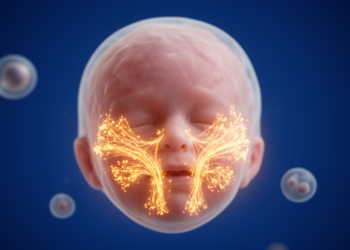
A new single-cell and spatial atlas of the developing human face identifies 56 cell states, hundreds of spatial patterning genes ...

A sweeping review explains how MADS-box genes, microRNAs, hormones and environmental signals jointly control flowering, floral organ identity and sex ...
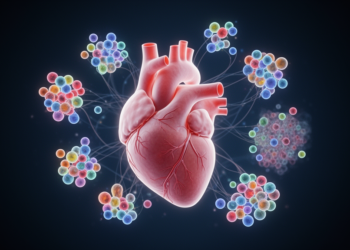
A multimodal atlas of the developing human heart reveals 21 tissue niches, shows fetal pacemaker cells recruiting their own nerve ...
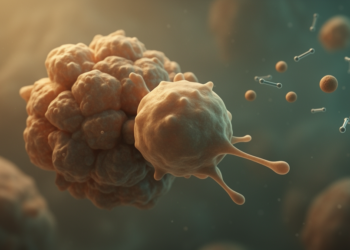
A new review explains how tumor cells reversibly switch identities through epigenetic and microenvironmental programs, driving metastasis and therapy resistance.
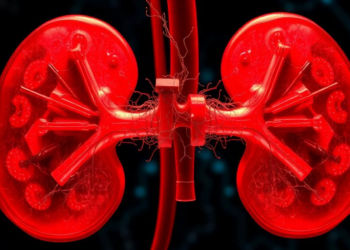
A sweeping new review argues that damaged mitochondria in kidney tubule cells act as both trigger and amplifier of the ...
A large computational study links TTN/TP53 co-mutations in gastric cancer to a prognostically favorable population of tumor-associated atypical B cells ...
Researchers at IIT (ISM) Dhanbad have developed scDEAN, a lightweight deep clustering framework that adaptively fuses gene expression and cellular ...
A transcriptome-scale CRISPR-Cas13 screening platform called CaRPool-seq has identified 778 essential long non-coding RNAs in human cells, including 46 required ...


Embark on a thrilling journey of discovery with Scienmag.com—your ultimate source for cutting-edge breakthroughs. Immerse yourself in a world where curiosity knows no limits and tomorrow’s possibilities become today’s reality!