


Chemical and Microbial Process Upcycles Polyesters into PHB
A new chemo-biotechnological process converts biodegradable polyesters into PHB using alkaline hydrolysis and microbial fermentation by Cupriavidus necator B4383.
A new chemo-biotechnological process converts biodegradable polyesters into PHB using alkaline hydrolysis and microbial fermentation by Cupriavidus necator B4383.
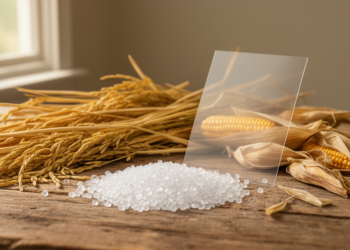
A new review finds lignocellulosic biomass is the most scalable feedstock for biodegradable polymers, but high costs and limited infrastructure ...
A new review argues that pairing cheap waste substrates with statistical and AI-driven optimization could finally make microbial biosurfactants economically ...
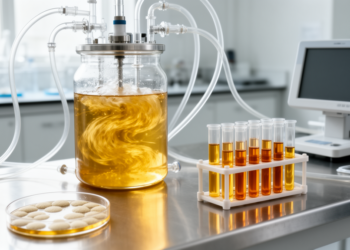
Researchers report a single-step fermentation in which Starmerella yeasts fed glucose, oleic acid and alcohols directly produce acetylated sophorolipid esters, ...
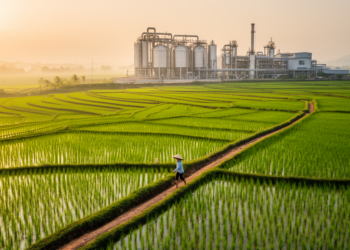
A new review maps how Vietnam's more than 60 million tonnes of annual agricultural residue could be bioconverted into ethanol, ...
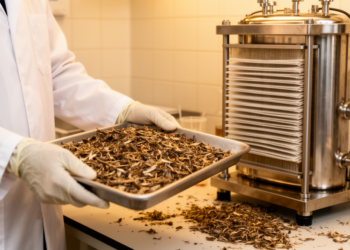
Duck farming in China has grown into one of the most productive corners of the waterfowl industry, built on birds ...
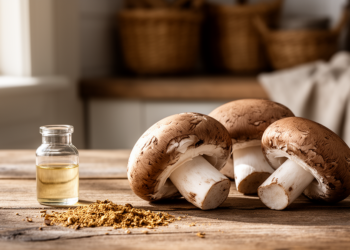
A comprehensive review highlights ergothioneine, a mushroom-derived antioxidant dubbed a longevity vitamin, detailing its selective redox chemistry, sustainable fermentation production, ...
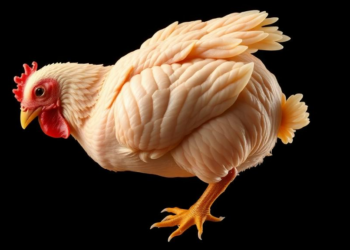
Researchers used Bacillus velezensis 259 fermentation, guided by whole-genome analysis and response surface optimization, to extract chondroitin sulfate from chicken ...
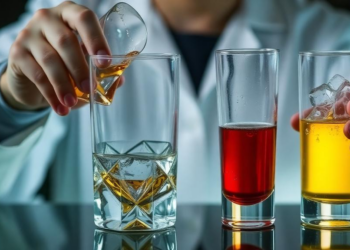
A new integrative review in the International Journal of Legal Medicine distills a decade of research into which biological samples ...
A new review explains how microbial enzymes can dismantle tannin-rich food industry waste into valuable functional ingredients, while warning that ...


Embark on a thrilling journey of discovery with Scienmag.com—your ultimate source for cutting-edge breakthroughs. Immerse yourself in a world where curiosity knows no limits and tomorrow’s possibilities become today’s reality!