

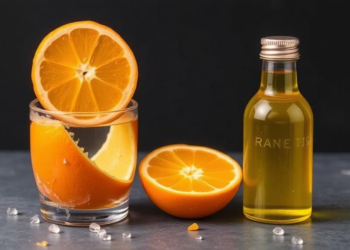
Orange Peel Waste Transformed Into Antioxidant-Rich Bio-Oil Using Hot Compressed Water
Mexican researchers used hydrothermal carbonization to convert orange peel waste into a bio-oil containing phenolic antioxidants, finding peak yields and ...
Mexican researchers used hydrothermal carbonization to convert orange peel waste into a bio-oil containing phenolic antioxidants, finding peak yields and ...

Australian researchers have profiled eighty phenolic compounds across thirteen sorghum genotypes, finding that black and brown varieties deliver antioxidant capacities ...
A crude extract from discarded lychee seeds proved non-toxic to human gum fibroblasts at low doses and boosted cell proliferation ...
A comprehensive biochemical analysis of thirty yardlong bean landraces from North-East India has identified elite varieties with exceptional protein, antioxidant, ...
Researchers have identified the R2R3-MYB transcription factor LrMYB113 as a key regulator that directly activates anthocyanin biosynthesis genes in black ...
A new review synthesises the flavonoids, polysaccharides, and antioxidant, anti-inflammatory, and gut microbiota evidence behind Chenpi, the dried mandarin peel ...
A new study identifies 90 degrees Celsius for 30 minutes as the optimal brewing condition for Xanthoceras sorbifolium bud black ...
Researchers engineered a TPGS-based self-microemulsifying delivery system that boosts luteolin's oral bioavailability 29-fold by simultaneously improving solubility, uptake and P-glycoprotein ...
Egyptian researchers found that grapevine leaves harvested in May contain the highest levels of polyphenols, flavonoids, and tannins and show ...
Researchers identify a gene variation in Chinese cabbage that influences leaf color by altering flavonoid composition.

Embark on a thrilling journey of discovery with Scienmag.com—your ultimate source for cutting-edge breakthroughs. Immerse yourself in a world where curiosity knows no limits and tomorrow’s possibilities become today’s reality!