

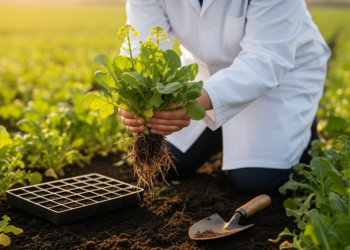
Lab-made octaploid rock cress shows promise for locking heavy metals in soil
A newly created octaploid line of Arabidopsis arenosa tolerated extreme zinc and cadmium stress and stored over 50 percent more ...
A newly created octaploid line of Arabidopsis arenosa tolerated extreme zinc and cadmium stress and stored over 50 percent more ...

A study of poultry farms in three regions of Cameroon found heavy metal contamination in chicken meat, liver, and eggs, ...
In 14 stranded common dolphins from Spain, higher hepatic mercury was statistically associated with greater tau-AT100 immunoreactivity in the frontal ...
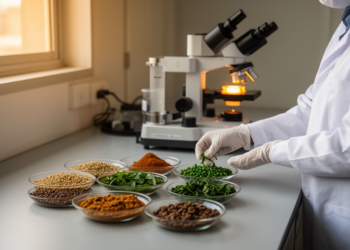
A review of 23 studies finds lead, cadmium and chromium repeatedly exceeding FAO/WHO limits in Ethiopian vegetables, cereals and fish, ...
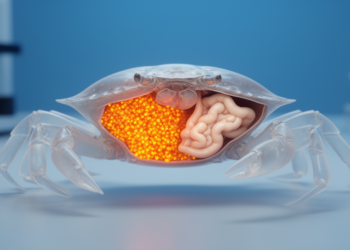
A study of East China Sea swimming crabs found that the hepatopancreas holds over 97 percent of the cadmium in ...
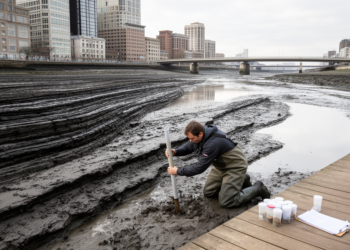
A survey of 51 sediment cores from four urban estuaries in North Vancouver finds that organic matter, rather than fine ...
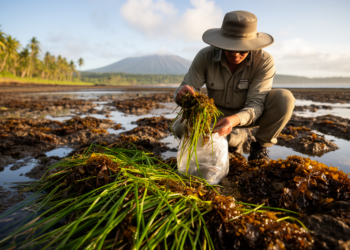
A study of five seaweed and seagrass species on Suva's Nasese foreshore finds high bioaccumulation of heavy metals, with lead ...
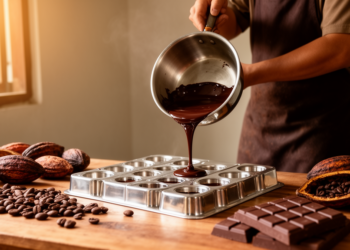
A study of sixteen artisanal chocolate bars from eight West Java producers found full microbiological compliance and low lead levels, ...
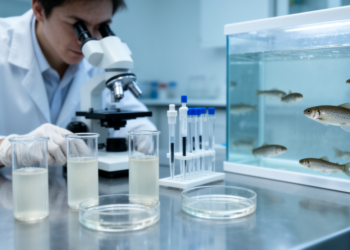
A laboratory study of six male Sistan snowtrout found that cadmium, mercury, zinc, copper, and lead all significantly reduced sperm ...
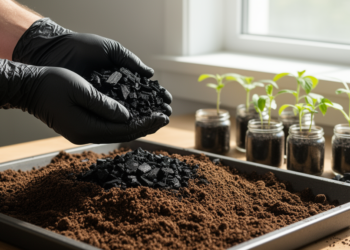
A Chinese pot experiment found that wheat straw biochar immobilized soil zinc most effectively while peanut shell biochar best stabilized ...


Embark on a thrilling journey of discovery with Scienmag.com—your ultimate source for cutting-edge breakthroughs. Immerse yourself in a world where curiosity knows no limits and tomorrow’s possibilities become today’s reality!