


Researchers have identified a previously unrecognized set of genetic changes in Plasmodium falciparum, the parasite responsible for the most severe form of human malaria, that is associated with reduced susceptibility to several antimalarial drugs. The discovery, made through whole-genome sequencing of parasites collected from infected people in Uganda, offers a new molecular marker for tracking the spread of resistance to artemether-lumefantrine, the frontline treatment used across much of sub-Saharan Africa. The findings raise concern that the parasite may be adapting simultaneously to more than one component of combination therapy, potentially weakening one of the world’s most important tools against malaria.
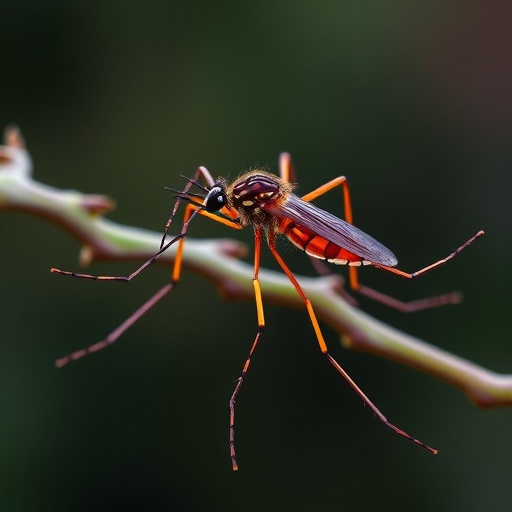
Malaria remains a major cause of illness and death, particularly among children and vulnerable populations in sub-Saharan Africa. The disease is transmitted through the bite of infected Anopheles mosquitoes, which introduce parasites into the bloodstream. After an initial phase in the liver, the parasites invade red blood cells, multiply, and rupture them in recurring cycles that produce fever and other symptoms. Without effective treatment, P. falciparum infections can progress rapidly to severe disease, including cerebral malaria, organ failure, and death. The continued effectiveness of antimalarial medicines is therefore central to malaria control, especially in regions where transmission remains intense and treatment is administered on a very large scale.
The study was led by researchers at Brown University and involved investigators in Uganda and the United States. Scientists sequenced the complete genomes of malaria parasites obtained from the blood of hundreds of infected individuals in Uganda, rather than examining only a small number of genes already known to be linked to resistance. Whole-genome sequencing allows researchers to compare genetic variation across the parasite’s entire chromosome set. By examining which mutations appear more frequently in parasites with reduced drug susceptibility, investigators can identify genomic regions that may help the organism survive exposure to antimalarial compounds. This approach is particularly valuable when resistance is emerging through previously unknown biological mechanisms.
The research team identified a region containing 69 parasite genes that was associated with diminished response to commonly used treatments. More detailed genetic analyses revealed a linked group of changes consisting of three specific mutations and two deletions. These alterations were associated with reduced susceptibility to artemisinin and lumefantrine, the two drugs combined in artemether-lumefantrine, as well as to mefloquine. The pattern is significant because combination therapies are designed to prevent the parasite from surviving treatment: artemisinin rapidly reduces the parasite burden, while the longer-acting partner drug eliminates organisms that remain. If the same parasite lineage becomes less sensitive to both components, the protective effect of the combination may be reduced.
The mutations most strongly implicated in the study were located in or near a gene called PX1, which encodes a phosphoinositide-binding protein. Phosphoinositides are specialized lipids that help organize membranes and regulate signaling inside cells. Proteins that bind these molecules can influence processes such as membrane trafficking, cellular compartment formation, and responses to environmental stress. Although the precise way in which PX1-related changes affect drug susceptibility remains to be established, the gene is located near another parasite gene product previously associated with moderate resistance to artemisinin. This genomic neighborhood may therefore contain interacting biological pathways that help parasites tolerate drug exposure.
Artemisinin acts quickly against malaria parasites and is believed to damage multiple essential cellular targets after activation inside infected red blood cells. Lumefantrine works through a different but complementary mechanism, interfering with the parasite’s ability to detoxify toxic heme released during the digestion of hemoglobin. Mefloquine also affects parasite survival through distinct pharmacological activity. Reduced susceptibility across these medicines may reflect changes in parasite physiology rather than resistance to a single chemical structure. The findings do not establish that the identified mutations alone cause treatment failure in patients, but they provide evidence that the variants are linked to a measurable shift in laboratory drug response.
The discovery is especially important because malaria surveillance has traditionally focused on a limited number of validated markers. Some genetic changes, such as variants in the kelch13 gene, are already used to monitor artemisinin resistance. However, molecular evidence for lumefantrine resistance has been more limited, making it difficult to explain why parasite populations can gradually become less responsive to artemether-lumefantrine even when known artemisinin markers do not fully account for the change. The PX1-associated variant set could help fill that gap. Once independently validated, it may be incorporated into genomic surveillance systems that follow the frequency and geographic distribution of resistant parasite lineages.
The researchers reported that the newly identified mutations were spreading rapidly in Uganda, an observation that suggests they may provide an evolutionary advantage under drug pressure. When antimalarial medicines are used repeatedly across large populations, parasites carrying mutations that allow them to survive treatment are more likely to persist and reproduce. Their descendants can then become increasingly common, particularly when drug concentrations are insufficient to eliminate every parasite. Incomplete adherence, interrupted treatment, poor-quality medicines, differences in drug absorption, and continued transmission can all intensify this selection process. Genetic surveillance can reveal these changes before clinical failure becomes widespread, but the mutations’ presence does not by itself show how often patients will fail treatment.
The study therefore points to an urgent need for additional clinical and epidemiological research. Laboratory experiments measured parasite susceptibility under controlled conditions, but the relationship between those measurements and patient outcomes must be tested in treated communities. Investigators also need to determine whether PX1 variants occur outside Uganda, whether they are moving across national borders, and whether they arise independently or spread through a common parasite lineage. Such work could combine genome sequencing with treatment follow-up, drug-concentration measurements, transmission mapping, and direct observation of clinical recovery. These data would clarify whether the variants are early warning signals or already contributing to substantial treatment failure.
For malaria programs, the findings underscore the importance of preserving current therapies while preparing alternatives. Researchers at Brown University and collaborating institutions are using genomic systems to support surveillance programs in Africa, tracking both established resistance markers and newly emerging variants. The study’s authors argue that predictive models should be developed to estimate when existing drugs may no longer provide reliable protection and that the search for new antimalarial compounds must accelerate. Malaria control has advanced through insecticide-treated bed nets, improved diagnostics, preventive medicines, and effective treatment, but the parasite continues to evolve. Detecting the genetic changes that accompany that evolution may give public-health authorities time to adapt treatment strategies before resistance becomes an even greater threat.
Web References: https://www.nature.com/articles/s41591-026-04590-5
References: Nature Medicine. DOI: 10.1038/s41591-026-04590-5
Cite Scienmag News
Juliet Wilcox. (August 17, 2026). Scientists find fast-spreading genetic variants causing parasites to resist malaria drugs. Scienmag. https://scienmag.com/scientists-find-fast-spreading-genetic-variants-causing-parasites-to-resist-malaria-drugs/
Juliet Wilcox. "Scientists find fast-spreading genetic variants causing parasites to resist malaria drugs." Scienmag, 17 August 2026, https://scienmag.com/scientists-find-fast-spreading-genetic-variants-causing-parasites-to-resist-malaria-drugs/. Accessed 3 September 2026.
Juliet Wilcox. "Scientists find fast-spreading genetic variants causing parasites to resist malaria drugs." Scienmag. August 17, 2026. https://scienmag.com/scientists-find-fast-spreading-genetic-variants-causing-parasites-to-resist-malaria-drugs/


