


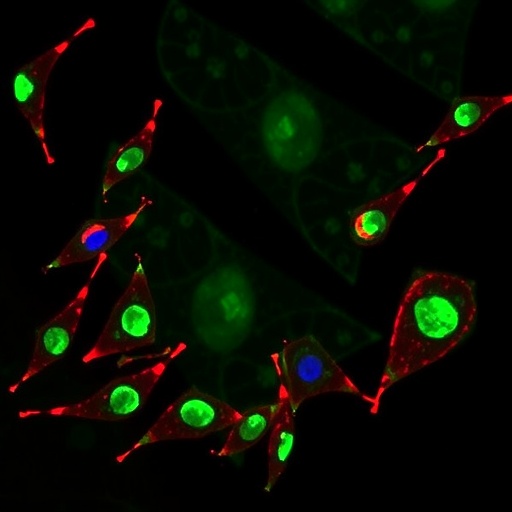
Drug-induced liver injury, one of the most unpredictable complications of modern pharmacotherapy, may be driven by a molecular failure that scientists are now learning to prevent. A study by Lan, Zheng, Li and colleagues reports that schisandrin lignans—bioactive compounds associated with the medicinal plant Schisandra chinensis—can protect the liver by stabilizing glutathione peroxidase 4, or GPX4. The research identifies two lysine residues, Lys31 and Lys90, as critical points in this protective mechanism. By preserving GPX4 through a Lys31/Lys90-dependent process, the compounds suppress ferroptosis, an iron-dependent form of cell death increasingly recognized as a major contributor to toxic liver damage. The findings, published in Cell Death Discovery, place a precise molecular target at the center of a long-standing challenge in drug safety.
Drug-induced liver injury can occur when medicines or their metabolites overwhelm the liver’s ability to process chemical stress. Because the liver is responsible for transforming and eliminating many drugs, its cells are repeatedly exposed to reactive intermediates, inflammatory signals and oxidative pressure. In some cases, this stress damages cellular membranes and disrupts mitochondrial and metabolic functions. The resulting injury can range from temporary increases in liver enzymes to severe inflammation, organ failure and the need for transplantation. Traditional descriptions of drug toxicity often emphasize apoptosis, necrosis or immune-mediated damage. Ferroptosis adds another layer to the picture, showing that the balance between iron, oxygen and membrane lipids can determine whether a liver cell survives.
Ferroptosis is distinguished by the uncontrolled oxidation of polyunsaturated fatty acids embedded in cellular membranes. These fatty acids are particularly vulnerable to attack by reactive oxygen species. When lipid peroxides accumulate beyond the cell’s capacity to remove them, membranes lose their structural integrity and essential signaling systems collapse. Unlike apoptosis, ferroptosis does not primarily depend on the classic caspase-driven dismantling of the cell. It is also different from accidental necrosis, because it follows a regulated biochemical pathway that can potentially be interrupted. Iron often accelerates the process by participating in redox reactions that generate highly reactive molecules. For this reason, ferroptosis has become a focus of research into cancer, neurodegeneration, cardiovascular disease and toxic organ injury.
GPX4 is one of the cell’s most important defenses against this chain reaction. The enzyme uses reducing power supplied by glutathione to convert potentially destructive lipid hydroperoxides into less harmful lipid alcohols. In effect, GPX4 acts as a quality-control system for cellular membranes, preventing oxidized fats from spreading damage across the lipid bilayer. When GPX4 is depleted, inhibited or destabilized, even moderate oxidative stress can become lethal. The enzyme is therefore considered a central “brake” on ferroptosis. Its activity depends not only on the availability of glutathione and the enzyme’s catalytic machinery, but also on the protein remaining correctly folded, functional and sufficiently stable inside the cell.
The new study focuses on how schisandrin lignans influence that stability. Schisandrins are lignan compounds found in Schisandra chinensis, a plant used in traditional East Asian medicine and investigated in modern pharmacology for antioxidant, anti-inflammatory and organ-protective properties. Rather than treating these compounds simply as broad antioxidants that neutralize free radicals indiscriminately, the research points toward a more specific molecular action involving GPX4. The reported dependence on Lys31 and Lys90 suggests that these lysine residues help determine whether GPX4 can be maintained in a protected, active state under conditions that would otherwise promote ferroptotic injury. Lysine residues can influence protein structure, molecular interactions and post-translational regulation, making them plausible control points for enzyme stability.
This distinction is important because protecting GPX4 is not necessarily the same as removing every reactive molecule from a cell. Reactive oxygen species also function in signaling, immunity and normal metabolism, meaning that indiscriminate antioxidant activity can produce unwanted effects. A compound that reinforces a specific anti-ferroptotic protein could, in principle, preserve the cell’s natural defense system while avoiding complete suppression of redox biology. The reported Lys31/Lys90-dependent mechanism offers a framework for understanding how schisandrin lignans may act at the protein level. It also provides researchers with measurable molecular sites that can be studied through mutational analysis, structural biology and biochemical assays to determine how each residue contributes to GPX4 protection.
The implications extend beyond a single group of plant-derived molecules. If GPX4 instability is a decisive event in drug-induced liver injury, compounds that preserve the enzyme could become candidates for preventive or therapeutic development. Such agents might be useful when a patient must continue taking a medication that carries a risk of liver toxicity, although that possibility remains dependent on future validation. Researchers will need to establish how the lignans are absorbed, metabolized and distributed, whether they reach effective concentrations in human liver tissue, and how they interact with the medicines responsible for injury. Safety is equally important: a compound that interferes with oxidative pathways could affect other organs or alter the metabolism of co-administered drugs.
The findings also highlight why ferroptosis is attracting intense attention across biomedical science. The pathway is chemically tractable: lipid oxidation can be measured, iron handling can be monitored, glutathione balance can be quantified and GPX4 activity can be tested directly. These features make ferroptosis a promising target for precision interventions, but they also demand careful interpretation. A reduction in lipid peroxidation does not automatically prove that a treatment will prevent organ failure, and molecular rescue in experimental systems does not guarantee benefit in patients. Drug-induced liver injury is highly heterogeneous, with different medicines producing different patterns of immune, metabolic and oxidative damage. The value of the new work lies in connecting a defined protein mechanism—GPX4 stabilization at Lys31 and Lys90—with one of the pathways capable of driving liver-cell death.
For now, the study presents schisandrin lignans as potential regulators of a critical cellular defense rather than as an established treatment for liver injury. Its central message is that ferroptosis may be suppressed not only by removing iron or blocking lipid oxidation, but also by preserving the molecular machinery that normally controls these threats. By identifying Lys31 and Lys90 as important determinants of GPX4 stability, the researchers offer a more precise map of how plant-derived compounds could influence cell survival. Further work in clinically relevant models will determine whether this mechanism can be translated into medicines that protect patients from drug toxicity. If it can, a centuries-old botanical source may help inspire a new generation of targeted therapies against one of the liver’s most dangerous forms of cellular stress.
Cite Scienmag News
Ophelia Keating. (August 17, 2026). Schisandrin Lignans Stabilize GPX4 to Suppress Ferroptosis in Drug-Induced Liver Injury. Scienmag. https://scienmag.com/schisandrin-lignans-stabilize-gpx4-to-suppress-ferroptosis-in-drug-induced-liver-injury/
Ophelia Keating. "Schisandrin Lignans Stabilize GPX4 to Suppress Ferroptosis in Drug-Induced Liver Injury." Scienmag, 17 August 2026, https://scienmag.com/schisandrin-lignans-stabilize-gpx4-to-suppress-ferroptosis-in-drug-induced-liver-injury/. Accessed 4 September 2026.
Ophelia Keating. "Schisandrin Lignans Stabilize GPX4 to Suppress Ferroptosis in Drug-Induced Liver Injury." Scienmag. August 17, 2026. https://scienmag.com/schisandrin-lignans-stabilize-gpx4-to-suppress-ferroptosis-in-drug-induced-liver-injury/


