Wednesday, October 21, 2026
Science
No Result
View All Result
  • Login
  • HOME
  • SCIENCE NEWS
  • CONTACT US
  • HOME
  • SCIENCE NEWS
  • CONTACT US
No Result
View All Result
Scienmag
No Result
View All Result
Home Science News Technology and Engineering

Mizzou researchers see promise in tongue exercise for ALS

October 21, 2026
in Technology and Engineering
Cassandra Pierce
By Cassandra Pierce Scienmag Editorial Profile - Systems Neuroscience
Reading Time: 2 mins read
0
Tongue Exercise Shows Promise for Preserving Speech and Swallowing in ALS

Tongue Exercise Shows Promise for Preserving Speech and Swallowing in ALS

65
SHARES
587
VIEWS
Share on FacebookShare on Twitter
ADVERTISEMENT

University of Missouri researchers found that tongue exercise increased the activity of surviving motor neurons controlling tongue movement in a rodent model of hypoglossal motor neuron degeneration. The preclinical finding suggests that targeted exercise may help remaining neurons compensate for motor neuron loss, but the results do not establish that tongue exercise preserves function in people with amyotrophic lateral sclerosis, or ALS. The study was published in the Journal of Neurophysiology on October 16, 2026, under the title “Impact of tongue exercise on hypoglossal axis survival, structure, and output in a rodent model of hypoglossal motor neuron degeneration.”

The work focused on the hypoglossal motor system because not all neurons controlling tongue movement die as ALS progresses, particularly during the early stages. Researchers hypothesized that increasing the activity of surviving neurons could help them compensate for neurons that have been lost. Nicole Nichols, an associate professor in the University of Missouri College of Veterinary Medicine and a study coauthor, described this adaptation as neuroplasticity: the nervous system changes how it operates to compensate for damage. In the animal model, tongue exercise improved motor-neuron output associated with tongue movement. Because the evidence came from rodents, however, the magnitude, mechanism and human relevance of the effect remain uncertain.

The functions affected by tongue weakness include speaking, swallowing and breathing. The tongue is critical for swallowing and helps keep the airway open during sleep; as the relevant muscles weaken, people with ALS may develop sleep apnea or difficulty eating and sometimes require feeding tubes. Nichols said that preserving swallowing function could reduce the chance of sleep apnea and potentially mean the difference between needing a feeding tube and continuing to eat normally. Those possible benefits have not yet been tested in patients as a result of this study, and the findings should not be interpreted as evidence of clinical efficacy.

The researchers said the animal results could guide development of treatments that mimic the effects of exercise for people unable to perform tongue training themselves. One proposed line of inquiry is an injectable treatment that activates surviving motor neurons, although this remains a research concept rather than an available therapy. Both tongue exercise and an injectable intervention would require human clinical trials. Nichols and her team aim to work through collaborations at Mizzou’s NextGen Precision Health to move tongue exercise toward trials within the next several years. A key question is whether exercise produces the same increase in surviving-neuron activity in people with motor neuron diseases that was observed in the rodent model. The study also involved swallowing researcher Teresa Lever and artificial intelligence researcher Filiz Bunyak-Ersoy, bringing together expertise from the university’s medical, veterinary and engineering programs.

Subject of Research: A preclinical rodent study of tongue exercise and surviving motor neurons in a model relevant to ALS

Article Title: Mizzou researchers see promise in tongue exercise for ALS

Article References: Mizzou researchers see promise in tongue exercise for ALS. Original publication (Bibliographic details unavailable.)

Image Credits: AI Generated

DOI: Not provided

Keywords: ALS, tongue exercise, motor neurons, hypoglossal system, neuroplasticity, rodent model, swallowing, University of Missouri, Mizzou, researchers, promise, tongue

Cite Scienmag News

Cassandra Pierce. (October 21, 2026). Mizzou researchers see promise in tongue exercise for ALS. Scienmag. https://scienmag.com/mizzou-researchers-see-promise-in-tongue-exercise-for-als/

Cassandra Pierce. "Mizzou researchers see promise in tongue exercise for ALS." Scienmag, 21 October 2026, https://scienmag.com/mizzou-researchers-see-promise-in-tongue-exercise-for-als/. Accessed 21 October 2026.

Cassandra Pierce. "Mizzou researchers see promise in tongue exercise for ALS." Scienmag. October 21, 2026. https://scienmag.com/mizzou-researchers-see-promise-in-tongue-exercise-for-als/


Tags: ALSALS motor neuron degenerationhypoglossal motor neuron researchhypoglossal systemimpact of exercise on motor neuron survivalMizzoumotor neuronsneural adaptation in ALSneurophysiology of hypoglossal nerveneuroplasticityneuroplasticity in ALSpotential ALS treatment strategiespreclinical ALS studiespromiseResearchersrodent modelrodent models of ALSswallowingtargeted exercise for motor neuron preservationtonguetongue exercisetongue exercise therapy for ALStongue muscle function in neurodegenerative diseasesUniversity of Missouri
Share26Tweet16
Previous Post

National U.S. survey links science perceptions to partisan gaps in vaccine judgments

Next Post

Experimental photonic crystal scintillator raises X-ray light output 4.64-fold

Related Posts

ZAPP reduces percentage errors in near-zero solar power forecasts
Technology and Engineering

ZAPP reduces percentage errors in near-zero solar power forecasts

October 21, 2026
Relict boreal forests of Kazakh Uplands revealed in first open-access vegetation dataset
Biology

Kazakh Uplands vegetation dataset documents 117 plots across forests, steppes and other habitats

October 21, 2026
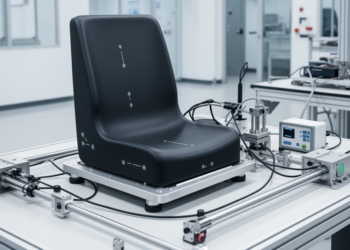
Research report: Engineering bench characterization and reciprocal cross-sensitivity of a sensor-integrated seated measurement platform
Technology and Engineering

Research report: Engineering bench characterization and reciprocal cross-sensitivity of a sensor-integrated seated measurement platform

October 21, 2026
AI and flexible investment model lifts simulated wastewater biorefinery value
Earth Science

AI and flexible investment model lifts simulated wastewater biorefinery value

October 21, 2026
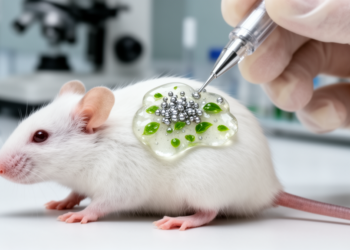
Plant-made silver nanoparticles reduce skin tumors in mice
Science News

Plant-made silver nanoparticles reduce skin tumors in mice

October 21, 2026
One-Quarter of Global Data Centers Sit Where Water Runs Short, Study Finds
Technology and Engineering

Global study finds 25% of 9,347 operational data centers in water-stressed areas

October 21, 2026
Next Post
Photonic crystal scintillator lifts X-ray imaging sensitivity at low cost

Experimental photonic crystal scintillator raises X-ray light output 4.64-fold

  • Mothers who receive childcare support from maternal grandparents show more optimized

    Mothers who receive childcare support from maternal grandparents show more parental warmth, finds NTU Singapore study

    27656 shares
    Share 11059 Tweet 6912
  • University of Seville Breaks 120-Year-Old Mystery, Revises a Key Einstein Concept

    1061 shares
    Share 424 Tweet 265
  • Bee body mass, pathogens and local climate influence heat tolerance

    682 shares
    Share 273 Tweet 171
  • Researchers record first-ever images and data of a shark experiencing a boat strike

    546 shares
    Share 218 Tweet 137
  • Groundbreaking Clinical Trial Reveals Lubiprostone Enhances Kidney Function

    531 shares
    Share 212 Tweet 133
Science

Embark on a thrilling journey of discovery with Scienmag.com—your ultimate source for cutting-edge breakthroughs. Immerse yourself in a world where curiosity knows no limits and tomorrow’s possibilities become today’s reality!

RECENT NEWS

  • John S. Dugdale’s six decades of fieldwork reshaped New Zealand entomology
  • Taxonomic review describes two new Episyron species and three new records for China
  • Morphological study identifies probable first Miocene Selaginella macrofossil in Dominican amber
  • 400°C cotton-stalk wood vinegar most strongly enhanced pig-manure compost humification

Categories

  • Agriculture
  • Anthropology
  • Archaeology
  • Athmospheric
  • Biology
  • Biotechnology
  • Blog
  • Bussines
  • Cancer
  • Chemistry
  • Climate
  • Earth Science
  • Editorial Policy
  • Marine
  • Mathematics
  • Medicine
  • Pediatry
  • Policy
  • Psychology & Psychiatry
  • Science Education
  • Science News
  • Social Science
  • Space
  • Technology and Engineering

Subscribe to Blog via Email

Enter your email address to subscribe to this blog and receive notifications of new posts by email.

Join 5,150 other subscribers

© 2025 Scienmag - Science Magazine

Welcome Back!

Login to your account below

Forgotten Password?

Retrieve your password

Please enter your username or email address to reset your password.

Log In
No Result
View All Result
  • HOME
  • SCIENCE NEWS
  • CONTACT US

© 2025 Scienmag - Science Magazine

Discover more from Science

Subscribe now to keep reading and get access to the full archive.

Continue reading