


Chronic biofilm-associated infections represent a formidable challenge in modern medicine, driving the global crisis of antimicrobial resistance through the prolonged and often ineffective use of systemic antibiotics. In a perspective published in Frontiers in Microbiology, researchers António Machado, Juraj Majtan, and José M. Álvarez-Suárez propose a new analytical framework to evaluate the clinical potential of natural antimicrobials, specifically focusing on honey-derived biomaterials. The authors argue that the translational future of honey therapeutics lies not in systemic nutraceutical applications, but in localized, topical treatments that address the specific biological realities of biofilm infections. This approach aims to distinguish microbiologically defensible interventions from speculative claims by applying a rigorous standard of translational plausibility.
The core of the argument rests on the structural mismatch between the pharmacology of systemic antimicrobials and the biology of biofilms. Biofilms are structured microbial communities encased in an extracellular polymeric matrix that can reduce susceptibility to antibiotics by up to a thousand-fold compared to free-floating bacteria. This protection is achieved through restricted antimicrobial penetration, altered metabolic states involving persister cells, and horizontal gene transfer of resistance determinants. Consequently, conventional systemic therapies often fail to resolve these infections while simultaneously exerting sustained selective pressure on patient and environmental microbiotas, thereby amplifying resistance without providing clinical benefit.
Honeys produced by Apis mellifera and stingless bees of the tribe Meliponini exhibit antimicrobial and anti-biofilm activity through a constellation of complementary mechanisms. These include osmotic stress, low pH, hydrogen peroxide, methylglyoxal, bee defensin-1, and various phenolic and organic compounds. The authors emphasize that this multi-target activity is most effective when the honey is concentrated at the application site. However, the current research literature has frequently framed honeys as systemic nutraceuticals with antioxidant, anti-inflammatory, or neuroprotective properties, a narrative that the authors describe as biologically incoherent due to pharmacokinetic limitations.
To address this discrepancy, the researchers introduce the concept of translational plausibility, an analytical framework built on four interdependent dimensions: spatial, temporal, dose, and compositional coherence. Spatial coherence requires that the site where bioactivity is demonstrated aligns with the site of the proposed clinical effect. Temporal coherence ensures that active compounds persist at the site of action for the duration required for clinical effect. Dose coherence evaluates whether realistic clinical concentrations match those required for the biological effect, and compositional coherence ensures that the material used in experiments is identical to that deployed clinically.
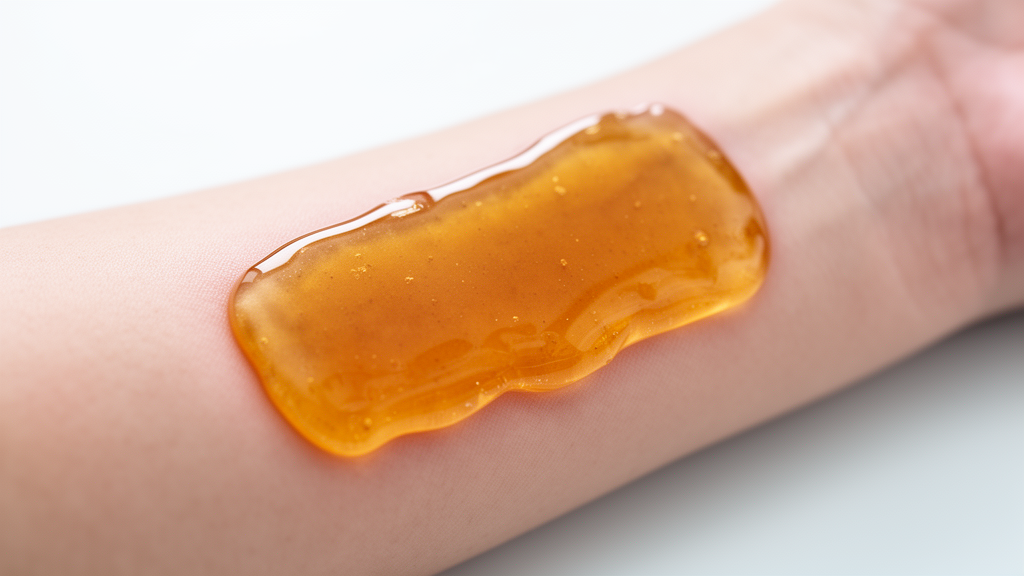
When applied to honey, this framework identifies topical, localized application as the only translationally coherent clinical route. In topical wound applications, a single clinical act satisfies all four dimensions simultaneously: the honey is present at the site of action, it remains there for the duration of dressing contact, it is delivered at an undiluted concentration, and it uses the exact material whose bioactivity was characterized. In contrast, systemic oral consumption fails these criteria because compounds are subject to gastrointestinal absorption, hepatic metabolism, and rapid plasma clearance, resulting in circulating concentrations far below those required to reproduce in vitro effects.
The authors highlight that the compositional variability of honeys further complicates systemic claims. Honeys vary substantially in phenolic content, antioxidant capacity, and antimicrobial profile depending on floral source, geography, and bee lineage. Generalizing findings from specific honeys to a homogeneous category of “honey” is a structural error that renders systemic claims scientifically imprecise. Topical applications, however, permit the direct deployment of the characterized material, maintaining compositional integrity from experimental observation to clinical use. This is particularly relevant for stingless bee honeys, which possess distinct sugar profiles and fermentation-derived metabolites that cannot be generalized to Apis mellifera products.
A clinically significant extension of this approach is the potential synergy between honey and conventional antibiotics. Emerging evidence suggests that sub-inhibitory concentrations of honey may potentiate antibiotic activity by lowering minimum inhibitory concentrations against multidrug-resistant bacteria and enhancing antibiotic penetration into biofilm matrices. This synergy is itself a dose-coherence phenomenon, achievable only through sustained local contact. By acting as a dose-sparing adjunct, honey could help reduce the selective pressure exerted on commensal microbiotas, positioning honey-antibiotic combinations as a candidate strategy for antimicrobial stewardship protocols targeting pan-drug-resistant pathogens.
The clinical evidence supporting this localized approach is most robust in the context of chronic wounds, such as venous leg ulcers, diabetic foot ulcers, and burns. Systematic reviews have evaluated the effectiveness of honey-based wound treatments, noting that while evidence for outcomes like pain relief varies, the alignment of mechanistic rationale and regulatory recognition around topical application is a structural marker of translational validity. This convergence is absent in systemic nutraceutical narratives, whose clinical evidence base has not developed in the same way due to the lack of underlying spatial, temporal, and dose coherence.
The authors conclude that the field of natural-product research must shift its focus from generating new bioactivities to ensuring that existing bioactivities are biologically reachable under clinical conditions. Translational plausibility serves as a triage tool to flag applications that are biologically precluded regardless of compelling in vitro data. While limitations remain, including the need for standardized characterization of stingless bee honeys and multicenter randomized controlled trials, the framework offers a transferable diagnostic for a field where compositional complexity is the central translational constraint. By prioritizing localized therapeutics, the research aligns antimicrobial stewardship with the preservation of distant microbiotas and the reduction of systemic antibiotic use.
Subject of Research: Translational plausibility of honey-derived antimicrobial biomaterials against biofilm-associated infections
Article Title: Translational plausibility of honey-derived antimicrobial biomaterials against biofilm-associated infections
Article References: Machado, A., Majtan, J., & Álvarez-Suárez, J. M. (2026). Translational plausibility of honey-derived antimicrobial biomaterials against biofilm-associated infections. Frontiers in Microbiology, 17, Article 1971766. https://doi.org/10.3389/fmicb.2026.1971766
Image Credits: AI Generated
DOI: 10.3389/fmicb.2026.1971766
Keywords: antimicrobial resistance, biofilm, honey, topical application, wound care, translational medicine, pharmacokinetics, Meliponini, Apis mellifera, antimicrobial stewardship, Translational, plausibility
Cite Scienmag News
Drew Townsend. (October 26, 2026). Honey Wound Dressings Offer Coherent Antimicrobial Strategy. Scienmag. https://scienmag.com/honey-wound-dressings-offer-coherent-antimicrobial-strategy/
Drew Townsend. "Honey Wound Dressings Offer Coherent Antimicrobial Strategy." Scienmag, 26 October 2026, https://scienmag.com/honey-wound-dressings-offer-coherent-antimicrobial-strategy/. Accessed 26 October 2026.
Drew Townsend. "Honey Wound Dressings Offer Coherent Antimicrobial Strategy." Scienmag. October 26, 2026. https://scienmag.com/honey-wound-dressings-offer-coherent-antimicrobial-strategy/


