


Machine learning reads pollen images to identify honey sources in minutes
Multispectral imaging flow cytometry with machine learning identified pollen in monofloral and polyfloral honeys with results comparable to microscopy in ...
Multispectral imaging flow cytometry with machine learning identified pollen in monofloral and polyfloral honeys with results comparable to microscopy in ...
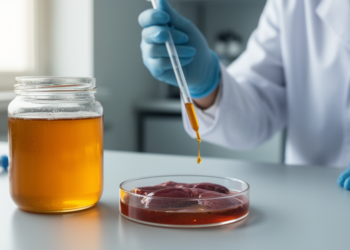
A systematic review of preclinical studies suggests honey and its flavonoids show anti-hepatocellular carcinoma mechanisms, though no rigorous human trials ...
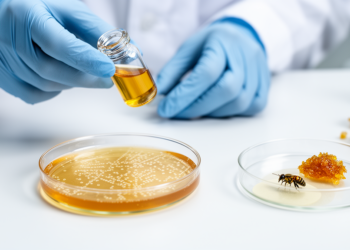
Laboratory testing shows honey and propolis from the Australian stingless bee Tetragonula carbonaria inhibit a range of clinically significant bacteria ...
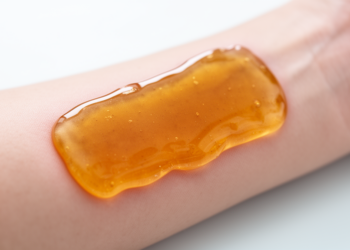
Researchers propose a framework of translational plausibility to argue that honey's clinical value lies in topical wound treatments rather than ...
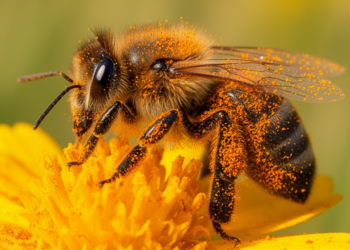
The invasive rust fungus Austropuccinia psidii, commonly known as myrtle rust, poses a severe threat to biodiversity across the Southern ...
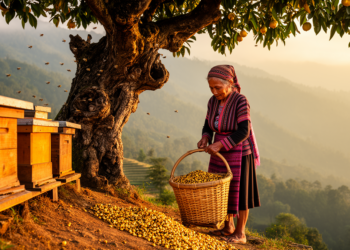
A new survey in Chitwan district documents a steep decline in the traditional use of Diploknema butyracea, with only 36% ...
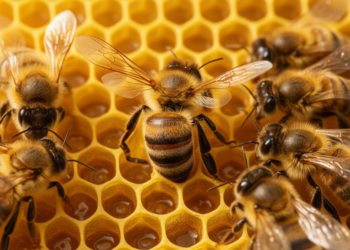
A new field experiment mapping real waggle dance recruitment networks in fully-marked honey bee colonies reveals that these networks are ...
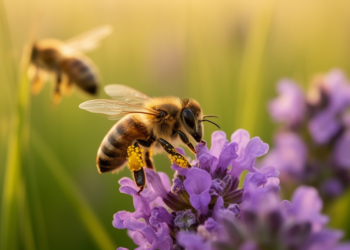
Honey bee colonies face mounting pressures from habitat loss, fragmentation, and the shifting distribution of flowering resources driven by land-use ...
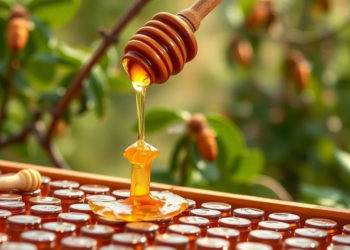
A comprehensive review from Frontiers in Bee Science maps the techniques, challenges, and opportunities that could transform African beekeeping from ...
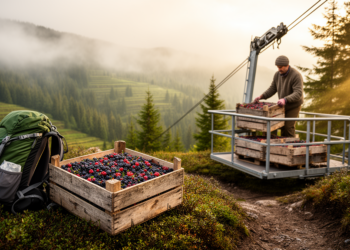
A survey of 50 Chinese mountain forest-food firms finds that readiness to reconfigure supply arrangements is a necessary but not ...


Embark on a thrilling journey of discovery with Scienmag.com—your ultimate source for cutting-edge breakthroughs. Immerse yourself in a world where curiosity knows no limits and tomorrow’s possibilities become today’s reality!