


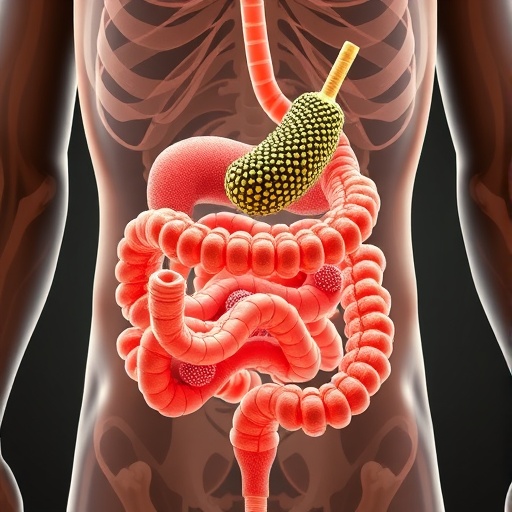
In recent developments within metabolic research, scientists have uncovered a fascinating interplay between dietary fiber, the gut microbiome, and liver health that may redefine our understanding of how diet influences metabolic diseases. A study recently published in Nature Metabolism reveals that adapting the gut microbiome through dietary fiber intake can not only facilitate the clearance of excess dietary fructose but also reverse hepatic steatosis, a condition commonly known as fatty liver disease. This groundbreaking insight extends far beyond the simplistic narrative of diet and obesity, highlighting a complex, symbiotic relationship within our digestive system that drives systemic metabolic regulation.
Hepatic steatosis, characterized by excessive fat accumulation in liver cells, has become a global health concern due to its association with obesity, type 2 diabetes, and cardiovascular disease. Traditionally, the condition has been linked to high caloric intake, sedentary lifestyles, and excessive consumption of fructose-rich foods such as sugary beverages and processed snacks. However, pinpointing the causative mechanisms and developing effective interventions have remained significant challenges. This new research points to the gut microbiome — the diverse community of microorganisms inhabiting the human intestine — as a central player that can modulate the liver’s response to dietary fructose.
The study elucidates the molecular and microbial mechanisms by which dietary fibers influence the gut ecosystem. Dietary fiber, an indigestible carbohydrate, undergoes fermentation by specific gut bacteria, producing bioactive metabolites. These metabolites appear to enhance the metabolic capacity of the host, particularly in processing fructose, thereby preventing its accumulation and subsequent conversion into liver fat. The authors employed state-of-the-art metagenomic sequencing and metabolomic profiling to reveal how fiber supplementation promotes the growth of distinct bacterial populations capable of transforming fructose into less harmful compounds.
One of the remarkable findings from the research is the identification of a “fiber-adapted” microbiome phenotype, which differs markedly from microbiomes shaped by low-fiber diets. Mice that received a high-fiber diet exhibited an expanded population of commensal bacteria, including members of the Bacteroides and Akkermansia genera, which correlated with enhanced fructose metabolism and reduced liver fat deposition. This adaptation was reversible, suggesting that dietary interventions can dynamically remodel the gut ecosystem to foster metabolic health.
To delve into the causal relationship, the scientists conducted fecal microbiota transplants (FMT) between mice fed either a high-fiber or low-fiber diet. Remarkably, transplanting the fiber-adapted microbiome into mice consuming a fructose-rich diet reduced hepatic steatosis even without altering the recipient animals’ diet. This finding not only implicates the gut microbiome as a mediator of fructose metabolism but also opens avenues for microbiome-targeted therapies against fatty liver disease.
Furthermore, the study provides insights into the enzymatic pathways engaged by the fiber-adapted microbiota in fructose clearance. Specific bacterial enzymes, including fructokinases and aldolases, were upregulated, enhancing microbial fructose utilization. By channeling fructose metabolism away from the host’s liver and into microbial fermentation pathways, these bacteria help alleviate metabolic stress and lipid accumulation in hepatocytes. This shift represents a novel paradigm in host-microbe metabolic cooperation.
The implications of this discovery extend into potential nutritional guidelines and clinical practices. Given the global increase in fructose consumption and the rising prevalence of non-alcoholic fatty liver disease (NAFLD), dietary fiber supplementation could be leveraged as a non-pharmacological strategy to modulate gut microbiota and protect liver health. Unlike interventions targeting host metabolism directly, manipulating the microbiome represents a systemic approach that can complement existing treatments for metabolic syndrome and its sequelae.
Another compelling aspect of the study is its demonstration of the reversibility of hepatic steatosis through gut microbiome modulation, independent of weight loss. This decoupling challenges the conventional wisdom that weight reduction is a prerequisite for improvements in liver pathology, underscoring the microbiome’s direct influence. Thus, individuals unable to achieve or maintain weight loss might still benefit metabolically from dietary fiber-induced microbiome shifts.
The researchers also shed light on the cross-talk between gut-derived metabolites and host signaling pathways involved in lipid metabolism. Short-chain fatty acids (SCFAs), produced through bacterial fermentation of dietary fiber, were elevated in fiber-fed mice and shown to enhance insulin sensitivity and reduce inflammatory markers in the liver. These bioactive molecules serve as metabolic intermediaries, bridging microbial activity and host physiology, thereby reinforcing the significance of the gut-liver axis.
This investigation also paves the way for future precision nutrition approaches. Given the heterogeneity in human gut microbiomes, personalized dietary fiber regimens tailored to individual microbial profiles could optimize fructose clearance and hepatic health. Ongoing research aims to identify biomarkers predictive of microbiome responsiveness to fiber interventions, potentially enabling clinicians to customize therapeutic strategies in real time.
From a broader scientific perspective, the study exemplifies the transformative power of integrating multi-omics technologies—metagenomics, metabolomics, transcriptomics—to unravel complex biological systems. This systems-level approach not only provides mechanistic depth but also identifies actionable targets for intervention. As such, the field moves closer to translating microbiome science into clinical realities for metabolic disorders.
In addition to metabolic health, the findings may have implications for other diseases linked to altered gut microbiota and fructose metabolism, such as cardiovascular disease and certain cancers. By harnessing the gut microbiome’s metabolic plasticity through diet, a new frontier emerges for preventive medicine and sustainable health interventions.
This research also sparks intriguing questions regarding the evolutionary basis of host-microbiome interactions and dietary adaptations. The ability of the gut microbiome to adapt rapidly to dietary changes and influence host metabolism underscores its role as a dynamic organ, potentially shaped by millennia of co-evolution with human dietary patterns.
In conclusion, the revelation that a dietary fiber-adapted gut microbiome can clear dietary fructose and reverse hepatic steatosis marks a watershed moment in metabolic research. This discovery signals a paradigm shift, emphasizing the gut microbiome not merely as a passive resident but as an active participant in metabolic homeostasis. As the scientific community continues to uncover the complexities of this relationship, the prospect of harnessing diet-microbiome synergy to combat metabolic diseases remains an exciting and promising horizon.
Cite Scienmag News
Morgan Morrow. (September 15, 2025). Fiber-Friendly Gut Microbiome Reverses Liver Fat. Scienmag. https://scienmag.com/fiber-friendly-gut-microbiome-reverses-liver-fat/
Morgan Morrow. "Fiber-Friendly Gut Microbiome Reverses Liver Fat." Scienmag, 15 September 2025, https://scienmag.com/fiber-friendly-gut-microbiome-reverses-liver-fat/. Accessed 3 September 2026.
Morgan Morrow. "Fiber-Friendly Gut Microbiome Reverses Liver Fat." Scienmag. September 15, 2025. https://scienmag.com/fiber-friendly-gut-microbiome-reverses-liver-fat/


