


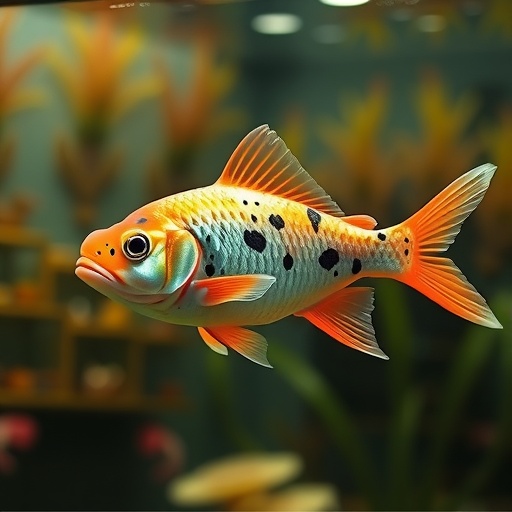
In a groundbreaking study published in BMC Genomics, researchers have conducted a comprehensive examination of the complex interactions between brain transcriptomics, intestinal metabolomics, and microbial diversity in mandarin fish, or Siniperca chuatsi. This fish species, a staple in aquaculture, has garnered increasing attention from scientists due to its varying body weight phenotypes, providing a unique opportunity to study the biological underpinnings of growth and health in aquatic organisms.
The research focused on two distinct groups of mandarin fish, differentiated by their body weight after acclimating to an artificial diet. This shift in dietary habits is significant, especially in aquaculture, where the nutritional composition of feed plays a critical role in growth rates, health outcomes, and overall productivity. The researchers hypothesized that varying body weights might be associated with distinct physiological and biochemical pathways, leading to differences in metabolic processes and gut microbiota profiling.
To investigate these hypotheses, the team utilized advanced transcriptomics techniques to analyze gene expression patterns in the brains of the two groups. By examining the transcriptomic data, they aimed to identify genes that might be differentially expressed in response to the dietary changes and how these changes correlate with growth outcomes. This analysis sheds light on the neurological adaptations that may accompany shifts in diet and body condition, providing insights into the cognitive and regulatory mechanisms that influence fish growth.
On the metabolic front, the researchers employed cutting-edge metabolomics approaches to capture the intricate biochemical changes occurring within the intestines of the mandarin fish. Through high-resolution mass spectrometry, they quantified a wide range of metabolites, which serve as the end-products of metabolic pathways. Understanding these metabolites is crucial, as they often reflect the efficiency of nutrient absorption, energy production, and overall metabolic health. The study highlighted key metabolites that varied significantly between the two body weight groups, suggesting that dietary modifications prompted underlying biochemical adaptations.
Equally important is the gut microbiome, which has emerged as a significant player in the health and growth of aquatic species. By utilizing 16S rRNA sequencing techniques, the researchers meticulously cataloged the microbial populations present in the intestines of each group of mandarin fish. The findings revealed notable differences in microbial diversity, with one group exhibiting a more diverse and stable microbiota composition compared to the other. This disparity in microbial communities may influence nutrient metabolism, immune function, and disease resistance, thereby playing a pivotal role in the observed differences in body weight.
Moreover, the interplay between the transcriptomic, metabolomic, and microbiomic data presents a holistic view of the biological systems at play. The study underscores the importance of integrative approaches in understanding complex biological phenomena, especially in aquaculture. By correlating transcriptomic changes with metabolomic profiles and microbial diversity, the researchers were able to propose a multifaceted model explaining how dietary acclimatization influences growth traits in mandarin fish.
The implications of this research extend beyond the realm of basic scientific inquiry. As aquaculture continues to evolve with the growing global demand for fish, understanding the biological mechanisms governing growth can lead to the development of more effective feeding strategies. By tailoring diets to enhance specific metabolic pathways or to foster beneficial gut microbiota, aquaculture practitioners can potentially optimize growth rates and improve fish health, resulting in higher yields and better sustainability practices.
This study also opens avenues for further research aimed at deciphering the genomic underpinnings of traits in aquaculture species. By exploring the genetic basis for variations in body weight, researchers can investigate the potential for selective breeding programs focused on growth efficiency and health. The integration of genomic, transcriptomic, metabolomic, and microbiomic data can serve as a powerful tool in breeding strategies, leading to advancements in aquaculture practices.
In conclusion, the innovative research conducted by Yuan and colleagues presents a comprehensive analysis of how dietary acclimatization affects brain function, intestinal health, and microbiome diversity in mandarin fish. Their findings illuminate the targeted biological responses that govern growth and development and offer insights that can ultimately enhance aquaculture practices. Such multidisciplinary approaches promise to foster sustainability and efficiency in fish farming, paving the way for a new era in aquatic biotechnology.
This study signifies that not only can diet influence growth in mandarin fish, but it can also orchestrate a symphony of physiological alterations ranging from gene expression to microbiotic balance. With continued interest in the intersection of nutrition, health, and growth in aquatic species, research endeavors like this lay the groundwork for future explorations into optimizing aquaculture systems globally.
The road ahead likely holds more revelations in aquatic research, underscoring the importance of interdisciplinary scientific inquiry in addressing the challenges faced by modern aquaculture. The collaborative efforts to enhance our understanding of fish biology through transcriptomics, metabolomics, and microbiomics promise to yield innovations that could redefine how we approach species culture and conservation efforts.
Earth’s oceans remain under environmental duress, and enhancing aquaculture’s efficiency not only satisfies economic needs but also contributes to global food security. This study serves as a beacon in the aquaculture field, advocating for further investigation into the relationship between nutrition, metabolism, and health. By leveraging technological advancements, researchers are poised to uncover the mysteries of aquatic organisms and their potential, shaping a sustainable future for global fisheries.
As researchers continue to unravel the complexities of fish biology, the implications of their findings will undoubtedly resonate within both scientific and aquaculture communities, fueling innovations that prioritize health, growth, and sustainability.
With this detailed research, the scholarship surrounding aquatic biology, particularly in commercially significant species such as mandarin fish, stands to be revolutionized, driving improved practices in feeding, breeding, and overall fish management strategies.
Yuan, Y., Huang, Y., Li, H. et al. Comparative analysis of brain transcriptomics, intestinal metabolomics and intestinal microbial diversity between two body weight-differentiated groups of mandarin fish (*Siniperca chuatsi*) after artificial feed acclimation.
BMC Genomics (2026). https://doi.org/10.1186/s12864-025-12446-4
Cite Scienmag News
Cassandra Pierce. (January 24, 2026). Comparative Study of Mandarin Fish: Brain, Gut, Microbes. Scienmag. https://scienmag.com/comparative-study-of-mandarin-fish-brain-gut-microbes/
Cassandra Pierce. "Comparative Study of Mandarin Fish: Brain, Gut, Microbes." Scienmag, 24 January 2026, https://scienmag.com/comparative-study-of-mandarin-fish-brain-gut-microbes/. Accessed 4 September 2026.
Cassandra Pierce. "Comparative Study of Mandarin Fish: Brain, Gut, Microbes." Scienmag. January 24, 2026. https://scienmag.com/comparative-study-of-mandarin-fish-brain-gut-microbes/


