


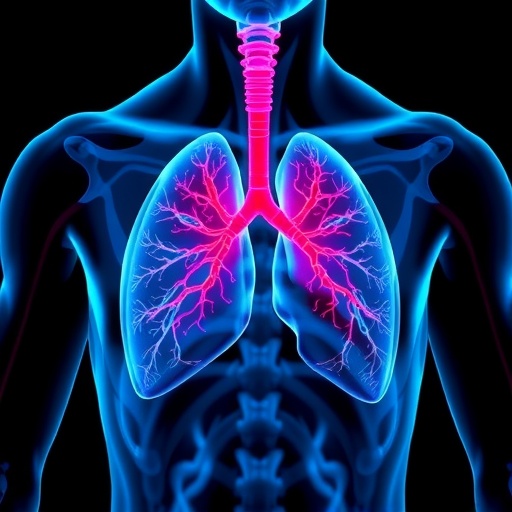
Pulmonary arterial hypertension (PAH) is being redefined by molecular biology. Once viewed mainly as a disorder of excessive blood-vessel constriction, the disease is now understood as a progressive process involving vascular remodeling, immune activation, metabolic disruption, and inherited susceptibility. A review published online on June 17, 2026, in the Chinese Medical Journal describes how these interacting mechanisms are reshaping PAH research and opening the door to treatments designed not only to relieve symptoms, but also to alter the disease itself.
PAH is a rare and potentially fatal condition in which the small arteries carrying blood through the lungs become narrowed and structurally damaged. As resistance within the pulmonary circulation rises, the right side of the heart must pump harder to maintain blood flow. Over time, the right ventricle can enlarge, weaken, and fail. Current therapies have improved survival, but many patients continue to experience progressive disease, limited exercise capacity, and an uncertain long-term outlook. The new review was conducted by Dr. Taeil Yang of Gil Medical Center at Gachon University College of Medicine and Professor Wook-Jin Chung of the Gachon Cardiovascular Research Institute in the Republic of Korea.
The authors explain that PAH develops through a complex interaction among several types of cells in the pulmonary circulation. Endothelial cells, which form the inner lining of blood vessels, normally regulate vessel diameter, blood flow, clotting, and repair. In PAH, these cells become dysfunctional and can produce excessive vasoconstrictors while reducing protective signals such as nitric oxide and prostacyclin. Endothelial injury also promotes the recruitment of inflammatory cells and stimulates neighboring smooth-muscle cells and fibroblasts to multiply. The resulting changes thicken the vessel wall and progressively reduce the space available for blood flow.
Inflammation is another central feature of this transformation. T cells, B cells, macrophages, and other immune cells can accumulate around pulmonary arteries, releasing cytokines and growth factors that sustain vascular injury. Rather than being a temporary response to damage, this immune activity may become chronic, reinforcing the abnormal behavior of vascular cells. The review emphasizes that immune signaling is closely connected to endothelial dysfunction and tissue remodeling, suggesting that PAH cannot be fully understood by studying blood-vessel tone alone.
The metabolism of pulmonary vascular cells also changes as the disease advances. Under normal conditions, mitochondria generate much of the energy required for cellular function through oxidative phosphorylation. In PAH, endothelial and smooth-muscle cells may shift toward glycolysis, a pattern resembling the “Warburg effect” observed in cancer. This metabolic reprogramming allows cells to generate energy rapidly while supporting biosynthesis and proliferation. It can also increase resistance to programmed cell death, enabling abnormal cells to persist within the vessel wall. These changes help explain why pulmonary arteries can continue remodeling even when vasoconstriction is medically controlled.
Genetic research has provided some of the strongest evidence that PAH is driven by specific biological pathways. Variants in BMPR2, the gene most commonly associated with heritable PAH, can impair signaling involved in vascular growth, repair, and cell survival. Other genes linked to PAH include SOX17, TBX4, and KCNK3. Several of these genes influence the bone morphogenetic protein, or BMP, pathway and its relationship with transforming growth factor beta, known as TGF-β. When this signaling network is disrupted, the balance between controlled growth and abnormal proliferation can shift, increasing susceptibility to pulmonary vascular disease. Genetic risk, however, is not destiny: environmental exposures, inflammation, infections, hormonal influences, and other biological triggers may determine whether disease develops and how rapidly it progresses.
These discoveries are already influencing treatment strategies. Traditional PAH medicines primarily target pathways that regulate vascular constriction, including endothelin, nitric oxide, and prostacyclin signaling. Newer approaches aim deeper at the mechanisms driving vascular remodeling. Sotatercept has attracted particular attention because it acts on signaling within the BMP/TGF-β superfamily and is designed to restore a healthier balance between growth-promoting and growth-inhibiting signals. By targeting the biology of vessel-wall remodeling rather than simply dilating arteries, the therapy represents a shift toward disease modification. Researchers are also studying seralutinib, which targets growth-factor and platelet-derived growth-factor signaling, as well as immune-directed treatments such as tocilizumab and rituximab. Metabolism-focused therapies remain another active area of investigation.
The review also highlights the growing importance of multi-omics research. Genomics can reveal inherited variants, while transcriptomics shows which genes are active in diseased tissue. Proteomics measures changes in proteins and signaling molecules, and metabolomics captures the chemical products of altered cellular pathways. Combining these layers may reveal why patients with apparently similar clinical diagnoses can have very different disease trajectories or responses to therapy. Such information could eventually help physicians classify patients according to molecular subtypes, identify biomarkers before irreversible vascular damage occurs, and select treatments according to the dominant mechanism in each individual.
Professor Chung argues that the most promising future for PAH depends on connecting laboratory discoveries with carefully designed translational studies and clinical trials. That challenge is substantial because the disease involves multiple interacting cell types and pathways, and because tissue samples from the pulmonary circulation are difficult to obtain. Nevertheless, the expanding molecular framework is changing the goals of treatment. Instead of focusing exclusively on lowering pulmonary artery pressure, researchers are seeking ways to repair endothelial dysfunction, restrain immune activity, normalize cellular metabolism, and reverse pathological remodeling. The field is moving toward precision medicine in which genetic and molecular information may guide therapy, offering patients the possibility of longer-lasting control and, ultimately, recovery of healthier pulmonary vascular function.
News Publication Date: 17-Jun-2026
Web References: https://doi.org/10.1097/CM9.0000000000004137
References: Chinese Medical Journal, DOI: 10.1097/CM9.0000000000004137
Cite Scienmag News
Drew Townsend. (August 11, 2026). Review outlines emerging directions in pulmonary arterial hypertension research. Scienmag. https://scienmag.com/review-outlines-emerging-directions-in-pulmonary-arterial-hypertension-research/
Drew Townsend. "Review outlines emerging directions in pulmonary arterial hypertension research." Scienmag, 11 August 2026, https://scienmag.com/review-outlines-emerging-directions-in-pulmonary-arterial-hypertension-research/. Accessed 3 September 2026.
Drew Townsend. "Review outlines emerging directions in pulmonary arterial hypertension research." Scienmag. August 11, 2026. https://scienmag.com/review-outlines-emerging-directions-in-pulmonary-arterial-hypertension-research/


