


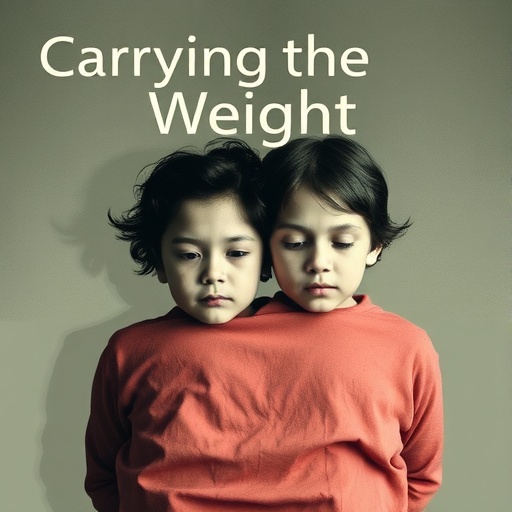
In recent studies, the complexities surrounding familial relationships and mental health have gained significant attention. A new research effort led by Pehlivan Saribudak and colleagues has delved into the emotional and psychological landscapes navigated by adult children of parents diagnosed with schizophrenia. Titled “I feel like the burden of the world is on my shoulders,” the study explores the nuanced experiences that shape the lives of these individuals.
Schizophrenia is a severe mental disorder that disrupts an individual’s thought processes, emotions, and social interactions. While much attention has been directed towards understanding the disorder itself, less focus has been placed on the familial impacts. The emotional well-being of adult children of affected parents, who often assume caretaking roles, remains under-discussed. Saribudak and their team employ a phenomenological qualitative methodology, allowing for an in-depth exploration of personal narratives and lived experiences.
The study highlights a range of emotional responses from adult children facing the daily realities of having a schizophrenic parent. Participants often describe a deep, pervasive sense of burden, which serves as a focal point of their existence. This burden is not simply a casual reference; it compounds the psychological distress resulting from societal stigma, familial obligations, and the complexities of their parent’s illness. Their statements reveal a dual relationship characterized by love and sorrow.
Adult children often articulate feelings of isolation, indicating that their relationships with peers are strained or nonexistent. The challenges associated with their home lives can lead to a profound sense of alienation from others who do not share similar experiences. The qualitative nature of the study provides a platform for these voices, making visible the struggles that are typically hidden beneath the surface.
The research also uncovers the coping mechanisms that these adult children employ. In many instances, they develop resilience through adaptation, but this can come at a significant personal cost. Participants in the study revealed that they often put their parents’ needs above their own, which can lead to long-lasting emotional ramifications, including anxiety and depression. Understanding these coping strategies provides invaluable insight into their day-to-day lives.
The study further uncovers a spectrum of relationships with healthcare systems. Many participants expressed frustration with mental health services, perceiving them as inadequate or disconnected from their lived realities. This disillusionment sometimes stems from past experiences where their concerns were dismissed or minimized by healthcare providers. The researchers found that the absence of accessible resources compounds their stress and complicates their caregiving roles.
Within the findings, an unexpected aspect emerged; many adult children develop a sophisticated understanding of mental health issues, often becoming informal advocates for their parents. They navigate complex medical terminologies and advocate for appropriate care while simultaneously managing their emotional burdens. This dual role underscores the enormous pressure placed on adult children and the nuanced strengths they develop in the face of adversity.
The authors of the study advocate for increased awareness and tailored support for these individuals. They emphasize that understanding their experiences is crucial not only for improving healthcare services but also for fostering social connections that can bolster emotional resilience. There’s a pressing need for mental health professionals to engage proactively with the families of those diagnosed with schizophrenia, recognizing their contributions and challenges.
Additionally, societal stigma surrounding mental illness plays a critical role in shaping the experiences of these adult children. Societal perceptions often lead to feelings of shame, which can discourage open discussions about their struggles. This stigma solidifies not just personal biases, but also systemic failings in support networks, further entrenching the burdens faced by families dealing with mental health issues.
As mental health awareness continues to evolve, studies like these are vital in promoting dialogue and understanding. They facilitate a broader discourse on the impact of mental health disorders not only on individuals but on their families and communities. Raising awareness about the burdens carried by adult children of parents with schizophrenia may initiate essential conversations about improving support structures and recognizing the valuable insights these individuals can provide.
In conclusion, Saribudak’s research sheds light on the critical yet often overlooked lives of adult children living in the shadows of schizophrenia. It encourages a deeper understanding of how parental mental health impacts family dynamics and individual development. By bringing their experiences to the forefront, the study advocates for more inclusive conversations and comprehensive support systems that can aid those navigating the complexities of caregiving alongside mental illness.
The narrative surrounding schizophrenia needs to extend beyond the diagnosis itself, embracing the realities faced by families. Through enhanced awareness and targeted support services, society can better equip these adult children to cope with their unique challenges, fostering an environment where they can thrive both emotionally and relationally.
Pehlivan Saribudak, T., Dağ, Z., Öztürk, A. et al. ‘I feel like the burden of the world is on my shoulders’: a phenomenological qualitative study on the life experiences of adult children of parents with schizophrenia.
BMC Nurs 24, 1228 (2025). https://doi.org/10.1186/s12912-025-03727-0
Cite Scienmag News
Ophelia Keating. (October 1, 2025). Carrying the Weight: Adult Children of Schizophrenic Parents. Scienmag. https://scienmag.com/carrying-the-weight-adult-children-of-schizophrenic-parents/
Ophelia Keating. "Carrying the Weight: Adult Children of Schizophrenic Parents." Scienmag, 1 October 2025, https://scienmag.com/carrying-the-weight-adult-children-of-schizophrenic-parents/. Accessed 3 September 2026.
Ophelia Keating. "Carrying the Weight: Adult Children of Schizophrenic Parents." Scienmag. October 1, 2025. https://scienmag.com/carrying-the-weight-adult-children-of-schizophrenic-parents/


