


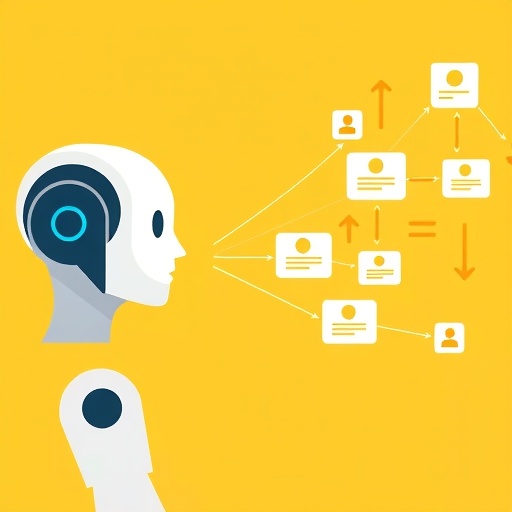
In the era of educational innovation, artificial intelligence has emerged as a transformative force, redefining the dynamics of assessment in universities. Artificial Intelligence (AI) is not merely a tool used for automating tasks, but an advanced system that can analyze vast amounts of data, predict outcomes, and personalize experiences. The application of AI in grading and providing tailored feedback holds the promise of revolutionizing traditional educational practices, enhancing the learning experience for diverse student populations.
The concept of AI-powered grading has evolved significantly, transitioning from rudimentary algorithms that merely evaluate student outputs to sophisticated systems capable of understanding context, nuance, and individual learning trajectories. Traditional grading methods often fail to reflect a student’s true understanding of course material, as they tend to rely heavily on standardized testing. In contrast, AI-based systems offer a more holistic approach, factoring in various dimensions of student performance, including participation, project work, and even peer evaluations.
One of the most noteworthy advantages of AI in grading is its capacity for real-time feedback, which can significantly enhance student engagement and performance. Students benefit immensely from immediate insights into their strengths and weaknesses, allowing them to adjust their learning strategies accordingly. With AI, feedback is not only timely but also personalized, catering to the unique learning styles and paces of individual students. This personalization fosters a deeper understanding of subjects, thereby increasing retention rates and academic success.
Furthermore, these AI systems can provide educators with detailed analytics on student performance, enabling them to tailor their teaching strategies to meet the needs of the classroom. This data-driven approach helps identify patterns, struggles, and areas where collective improvement is needed. Consequently, professors can modify their curriculum in real time based on how well students are grasping course content, leading to a more effective learning environment.
AI technology also addresses the often tedious and time-consuming nature of grading, enabling educators to devote more time to student interaction and engagement. Grading can take hours, if not days, especially with larger classes. AI systems automate this process, thereby freeing up educators to focus on what truly matters: delivering quality education and facilitating meaningful discussions with students. This shift allows for a more dynamic classroom atmosphere where teachers have the opportunity to mentor and guide students, rather than being bogged down by administrative tasks.
Despite the advancements and benefits brought by AI-powered grading systems, some educators express concerns regarding their implementation. Key among these is the fear of oversimplification, with critics arguing that an AI system might miss the subtleties of student work that require human interpretation. For example, creativity, critical thinking, and originality are difficult to quantify, and relying solely on AI could lead to a system where innovative thinking is undervalued.
Moreover, there are ethical considerations surrounding data privacy. The data collected by these AI systems can be sensitive, as it frequently includes personal information about students. Institutions must ensure that robust measures are in place to protect student data, limiting access and ensuring compliance with legal regulations. The implications of potential data breaches could affect both students and institutions, thereby requiring careful consideration of how student information is collected, stored, and used.
An equally important challenge centers on the integration of AI technologies within existing educational structures. Many universities may lack the infrastructure and resources necessary to implement such advanced systems. The cost of development, maintenance, and training faculty to effectively use AI tools can be substantial, potentially creating a divide between institutions that can afford these technologies and those that cannot.
To maximize the advantages of AI-powered grading and personalized feedback, a balanced approach is essential. Educators need to work hand-in-hand with technology developers to create systems that not only enhance the educational experience but also respect the creative and nuanced aspects of learning. Effective partnerships that involve ongoing feedback from educators can result in more reliable and responsive grading systems that serve the dual purpose of efficiency and quality education.
As universities continue to explore the integration of artificial intelligence into their assessment strategies, collaboration and transparency should guide the development of these systems. Involving multiple stakeholders, including students, educators, administrators, and tech developers in the conversation will ensure that AI tools are designed with the learner’s best interest in mind. This collaborative approach can also help dispel some of the skepticism surrounding the use of AI in education, paving the way for broader acceptance and adoption.
To conclude, the rise of AI in educational assessment signifies a critical shift towards personalized learning experiences in universities. With the capabilities of AI-powered grading and tailored feedback, the landscape of education is set to become more engaging, efficient, and attuned to the needs of students. Though challenges persist regarding implementation and ethical considerations, the benefits of such technologies cannot be overlooked. It is imperative that universities embrace this change while staying mindful of the significance of human interaction in education, ensuring a future where technology and teaching harmoniously coexist to foster the next generation of learners.
Deepshikha, D. A comprehensive review of AI-powered grading and tailored feedback in universities.
Discov Artif Intell 5, 251 (2025). https://doi.org/10.1007/s44163-025-00517-0
Cite Scienmag News
Courtney Benton. (October 1, 2025). AI Grading: Revolutionizing Feedback in Higher Education. Scienmag. https://scienmag.com/ai-grading-revolutionizing-feedback-in-higher-education/
Courtney Benton. "AI Grading: Revolutionizing Feedback in Higher Education." Scienmag, 1 October 2025, https://scienmag.com/ai-grading-revolutionizing-feedback-in-higher-education/. Accessed 3 September 2026.
Courtney Benton. "AI Grading: Revolutionizing Feedback in Higher Education." Scienmag. October 1, 2025. https://scienmag.com/ai-grading-revolutionizing-feedback-in-higher-education/


