

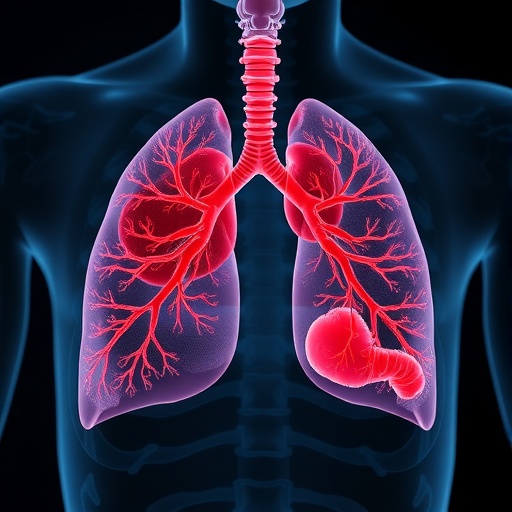
A landmark study has revealed a dangerous molecular synergy between nicotine and cannabinoids that dramatically accelerates cellular aging in the developing lungs of unborn children, marking the first time researchers have mapped this co-exposure pathway in human prenatal tissue. The investigation, conducted on developing lung buds cultivated in the laboratory, demonstrates that the simultaneous presence of both substances triggers a state of premature senescence far more severe than exposure to either compound alone, raising urgent concerns about the rising global trend of vaping mixed formulations during pregnancy. While public health messaging has historically treated smoking and cannabis use as separate risk factors, this new data published in Pediatric Research suggests that the chemical interplay between these compounds inside fetal cells creates a toxicological amplifier effect that fundamentally corrupts the regenerative capacity of the developing respiratory system.
The research team employed an advanced air-liquid interface model using human fetal lung explants to simulate the physiological environment of the developing airways with exquisite precision. By introducing controlled concentrations of nicotine and specific cannabinoid receptor agonists directly to the epithelial layer, the scientists were able to isolate the signaling cascades responsible for growth arrest without the confounding variables present in whole-animal studies. The methodology bypasses traditional ethical barriers by replicating the biochemical milieu of second-trimester lung morphogenesis entirely ex vivo, allowing for direct observation of branching morphogenesis disruption at the cellular level. This approach revealed that the fetal respiratory epithelium acts not as a passive barrier but as an intensely reactive interface where exogenous xenobiotics can permanently recalibrate the developmental clock of the tissue through epigenetic remodeling.
At the subcellular core of this damage lies the accelerated shortening of telomeres and the pathological activation of the p53/p21 senescence axis. The study documented that co-exposure conditions reduced the proliferative index of the developing epithelium by more than forty percent compared to controls, a finding correlated with a significant upregulation of senescence-associated beta-galactosidase activity, a classic histochemical marker of irreversible cell cycle exit. More disturbingly, the research identified a surge in the secretion of the senescence-associated secretory phenotype, or SASP, a cocktail of pro-inflammatory cytokines including interleukin-6 and interleukin-8 that effectively poisons the surrounding niche, causing bystander senescence in otherwise healthy neighboring progenitor cells. This paracrine propagation mechanism means that even a localized exposure can create expanding waves of dysfunctional tissue incapable of generating the sophisticated alveolar architecture necessary for postnatal gas exchange.
The molecular crosstalk driving this pathology appears to converge on the mitochondrial machinery, where cannabinoid receptor type 1 signaling synergizes with nicotinic acetylcholine receptor activation to destabilize the electron transport chain. The resulting mitochondrial dysfunction generates a burst of reactive oxygen species that overwhelms the fetal lung’s nascent antioxidant defenses, which are naturally underdeveloped relative to adult tissue. This oxidative assault directly damages the DNA of alveolar type II progenitor cells, the critical stem-like population responsible for producing surfactant and regenerating the distal lung saccules. The accumulation of double-strand breaks triggers a persistent DNA damage response that forces these cells into a state of chronic arrest, effectively depleting the reservoir of cells required for the exponential growth phase of the third trimester. By mapping the phosphorylation cascade of histone variant H2AX, the team confirmed that co-exposure produces a level of genomic instability that neither agent induces independently at equivalent doses. The implications of this study extend far beyond the laboratory, signaling a paradigm shift in how clinicians must conceptualize polysubstance exposure during gestation. The data strongly suggests that warning labels focusing solely on nicotine or tetrahydrocannabinol individually may be dangerously misleading, as the biochemical reality in the fetal compartment is one of compound amplification rather than simple additive toxicity. As the commercial landscape becomes saturated with hybrid delivery devices capable of aerosolizing both substances simultaneously, the window of vulnerability during the pseudoglandular and canalicular stages of lung development becomes a critical battleground against silent teratogenic injury. The presence of persistent, non-proliferating senescent cells in the airway blueprint implies that affected infants may enter the world with a reduced respiratory reserve, potentially predisposing them to conditions such as bronchopulmonary dysplasia, wheezing disorders, and an increased susceptibility to early-life viral infections that exploit a compromised epithelial barrier. Understanding that the fetal lung can essentially be aged before birth by this specific chemical combination provides a powerful biological narrative in the fight to protect the most vulnerable patients from an avoidable epidemic of developmental origins of disease.
Subject of Research: Co-exposure to cannabinoids and nicotine increases senescence in prenatal human lung development.
Article Title: Co-exposure to cannabinoids and nicotine increases senescence in prenatal human lung development.
Article References:
El Alam, I., Belgacemi, R., Hoarau, A. et al. Co-exposure to cannabinoids and nicotine increases senescence in prenatal human lung development.
Pediatr Res (2026). https://doi.org/10.1038/s41390-026-05037-w
Image Credits: AI Generated
DOI: 10.1038/s41390-026-05037-w
Keywords: Cannabinoids, Nicotine, Prenatal Lung Development, Cellular Senescence, Fetal Epithelium, DNA Damage, Mitochondrial Dysfunction, Vaping, Reactive Oxygen Species, SASP


