


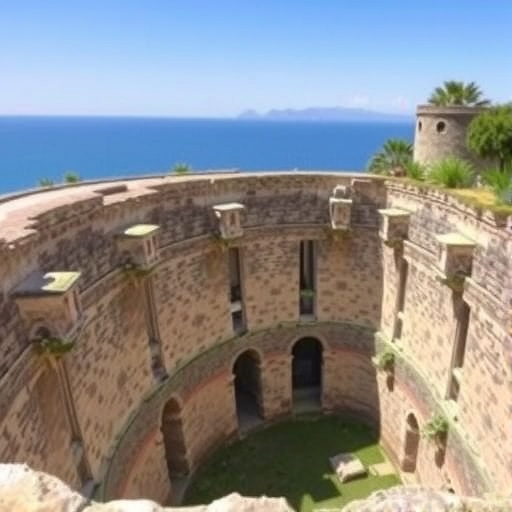
In a groundbreaking study, archaeologists have unveiled new insights into the intricate waterproofing technologies employed by ancient civilizations in Sicily, specifically focusing on the archaeological sites of Selinunte and Agrigento. This research, conducted by McLennan and Keenan-Jones, draws connections between historical techniques and their evolution over time, revealing how these methods were pivotal in the region’s architectural and societal advancements.
Waterproofing, a fundamental requirement for construction in areas with considerable rainfall and proximity to the sea, was masterfully addressed by ancient architects. The findings from Selinunte and Agrigento illustrate how these societies utilized available materials and innovative methods to create structures that not only stood the test of time but also fulfilled practical needs, such as water containment and protection from the elements.
At Selinunte, researchers discovered remnants of waterproofing systems that date back to the 7th century BCE. The materials used in these waterproofing techniques were often locally sourced, demonstrating the ingenuity of ancient builders who utilized natural resources to their advantage. These early waterproofing methods laid the groundwork for subsequent architectural practices in the region, showcasing a remarkable understanding of material properties and environmental challenges.
Equally important, the site of Agrigento provided additional context to the evolution of these technologies. The study highlights variations in waterproofing methods across time periods, suggesting a dynamic approach to construction that adapted in response to both environmental conditions and societal needs. This adaptability indicates a sophisticated knowledge of not only materials but also the engineering principles at play.
One particularly intriguing aspect of the research is the comparison between the waterproofing practices in Selinunte and Agrigento. While both sites share a geographic connection, the architectural styles diverge significantly, reflecting distinct cultural influences and technological innovations over centuries. This variation helps scholars understand the broader narrative of Mediterranean construction as it evolved through trade, conquest, and collaboration among different cultures.
Moreover, the study does not just stop at the physical evidence unearthed from these sites. McLennan and Keenan-Jones delve into the theoretical implications of their findings, arguing that the interconnectedness of ancient societies facilitated the sharing of technical knowledge. This concept of connectivity serves as a cornerstone for understanding the advancements in waterproofing technologies and their adoption in various locales throughout Sicily.
The implications of these findings extend beyond mere historical curiosity; they have potential applications in modern construction practices. By studying ancient waterproofing methods, contemporary architects and engineers can glean invaluable lessons from the past, particularly in terms of sustainability and resource management. This is particularly relevant in today’s context where environmental considerations are paramount and the need for resilient infrastructure is more pressing than ever.
For instance, the use of natural materials that were abundant in the ancient environment could inspire modern builders to rethink their material choices in favor of eco-friendly alternatives. By doing so, they could not only reduce their carbon footprint but also pay homage to the innovative techniques of ancient civilizations who faced similar challenges.
The study’s results also prompt a reevaluation of archaeological methodologies. Traditional approaches often focus on monumental architecture, potentially overlooking smaller but equally significant technologies. By emphasizing the importance of waterproofing as a technological milestone, McLennan and Keenan-Jones advocate for a broader understanding of what constitutes significant architectural progress in ancient contexts.
As the research community continues to explore these themes, a more comprehensive picture of ancient societies will emerge. The appreciation for the thought and expertise that went into their construction methods will foster deeper connections between past and present, not just within archaeology but across disciplines such as engineering, environmental science, and historical preservation.
In conclusion, the revelations regarding waterproofing technologies in ancient Sicily underscore the interplay between environmental factors and human ingenuity. The research conducted at Selinunte and Agrigento unveils a narrative of innovation, adaptation, and interconnectedness that shaped the architectural landscape of the region. As we continue to unearth and study these ancient practices, the lessons learned can guide contemporary efforts to create resilient and sustainable infrastructures that withstand the challenges of our time, much like those ancient sites have endured throughout the centuries.
The exploration of ancient craftsmanship and its applicability to modern techniques highlights the timeless nature of innovation. As we face increasing environmental challenges, revisiting the ingenuity of our ancestors offers not only historical insights but also practical solutions that resonate in today’s world.
This fascinating study of waterproofing technology is just one of many avenues archaeologists continue to pursue as they work to fragmentize and analyze the rich tapestry of human history, shedding light on our collective achievements and failures. As these stories are told and retold, they remind us of the resilience and creativity that define the human experience across millennia.
With ongoing excavations and investigations, the geological remnants of these ancient sites will continue to reveal their secrets, lending insight into the past while influencing the future of construction technology. The findings from Selinunte and Agrigento will surely carve a new path in the field of archaeology, inspiring further research and appreciation for the complexities of ancient engineering.
McLennan, R., Keenan-Jones, D. Connectivity and change in the waterproofing technology of ancient sicily: evidence from Selinunte and Agrigento. Archaeol Anthropol Sci 18, 32 (2026). https://doi.org/10.1007/s12520-025-02364-7
Cite Scienmag News
Courtney Benton. (January 28, 2026). Ancient Sicily’s Waterproofing Advances: Insights from Selinunte. Scienmag. https://scienmag.com/ancient-sicilys-waterproofing-advances-insights-from-selinunte/
Courtney Benton. "Ancient Sicily’s Waterproofing Advances: Insights from Selinunte." Scienmag, 28 January 2026, https://scienmag.com/ancient-sicilys-waterproofing-advances-insights-from-selinunte/. Accessed 3 September 2026.
Courtney Benton. "Ancient Sicily’s Waterproofing Advances: Insights from Selinunte." Scienmag. January 28, 2026. https://scienmag.com/ancient-sicilys-waterproofing-advances-insights-from-selinunte/


