


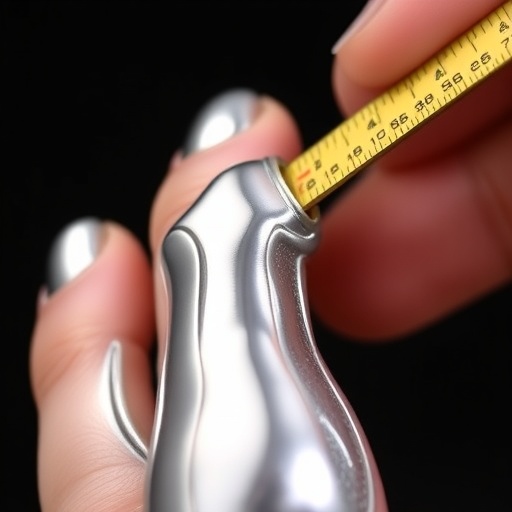
In the dynamic field of biomedical engineering, the ability to measure cellular mechanical properties with high precision remains a coveted breakthrough. Recently, an innovative study has presented soft microfingers equipped with a flexible tactile sensor that leverages liquid metal technology to assess the stiffness of cellular spheroids in situ. This pioneering approach promises to revolutionize tissue engineering and drug development by allowing unprecedented interaction with delicate biological samples without compromising their integrity.
The technology at the heart of this breakthrough embodies a seamless fusion of soft robotics and advanced sensing capabilities. Traditional mechanical testing devices often impose rigid constraints and exert excessive force on biological specimens, thereby limiting the scope of accurate stiffness measurements. The new soft microfinger system circumvents these limitations by incorporating a tactile sensor composed of liquid metal circuits ensconced within a highly compliant elastomeric substrate. This design ensures not only enhanced sensitivity but also preserves the delicate architecture of cellular spheroids during manipulation.
Cellular spheroids, three-dimensional aggregates of cells, have emerged as vital in vitro models that mimic the microenvironment of tumors and tissues more accurately than monolayer cultures. Their mechanical properties, particularly stiffness, have been implicated in various physiological and pathological processes including cancer progression, tissue regeneration, and stem cell differentiation. However, assessing these mechanical traits in situ has been a formidable technical challenge, given the small scale and fragile nature of spheroids. This new microfinger technology provides a direct tactile interface, enabling precise detection of subtle mechanical variations within the spheroids.
The core innovation lies in the liquid metal sensor’s ability to conform to the contours of biological samples while maintaining electrical conductivity required for sensitive tactile feedback. Typically, liquid metals such as gallium-based alloys possess an excellent combination of high conductivity and fluidity at room temperature, properties that traditional solid-state sensors lack. By embedding microchannels filled with liquid metal inside the elastomeric fingers, researchers created highly deformable yet electrically robust sensors capable of detecting minute forces and displacements.
Calibration and validation of these soft microfingers involved rigorous biomechanical testing using synthetic and biological analogs. Through applying controlled forces to known substrates and comparing sensor outputs with benchmark atomic force microscopy (AFM) measurements, researchers demonstrated the high fidelity and repeatability of their system. This lays a solid foundation for the microfingers’ application in assessing the stiffness gradient across single spheroids or even multiple spheroids in complex arrays, providing spatial resolution that was previously unattainable.
The functionality of this tactile sensing technology extends beyond mere stiffness measurement; it offers the potential for dynamic assessment under varying environmental conditions. For example, by monitoring how spheroid stiffness responds to pharmacological agents or changes in substrate stiffness, researchers can gain valuable insight into mechanotransduction pathways and drug efficacy in tumor models. This ability to perform non-destructive, real-time mechanical evaluation opens new avenues for personalized medicine and in vitro testing platforms.
Furthermore, the design flexibility inherent to the soft microfinger platform allows customization for diverse biological applications. Adjustments to finger length, sensor sensitivity, and the elastomeric substrate’s mechanical properties enable optimization for different cell types, spheroid sizes, or tissue constructs. This versatility suggests broad applicability in fields such as developmental biology, cancer research, and regenerative medicine where mechanical cues critically influence cellular behavior.
From a fabrication perspective, the integration of liquid metal into soft microstructures required sophisticated microfluidic channel patterning and precise material engineering. Challenges such as ensuring uniform channel filling, preventing leakage, and maintaining sensor durability under repeated deformation were overcome using novel microfabrication techniques. The success of these methods implies scalable production possibilities, potentially facilitating widespread adoption of this technology in research laboratories globally.
The implications of this advance reach into the realm of robotics and human-machine interfaces as well. The tactile sensory mechanisms mimicking biological touch could inform the future design of prosthetic limbs, wearable devices, and robotic grippers capable of handling fragile objects with the finesse akin to human skin. The convergence of biological sensing with soft robotics epitomized by the liquid metal microfingers may herald a new class of bioinspired devices with extraordinary sensitivity and adaptability.
Notably, this work underscores the critical role of interdisciplinary collaboration, combining expertise in materials science, electrical engineering, biomechanics, and cellular biology. By synthesizing knowledge from these diverse fields, the research team has crafted a technology that pushes the boundaries of what is achievable in cellular mechanobiology, fostering a deeper understanding of how physical forces influence cellular function and disease progression.
Looking ahead, integration of these soft microfingers with advanced imaging modalities and machine learning algorithms can further augment their utility. For instance, coupling tactile data with high-resolution microscopy and automated pattern recognition could enable high-throughput screening of mechanical phenotypes, accelerating discovery in drug development and tissue engineering workflows. This holistic approach can overcome the limitations of conventional mechanical testing, paving the way for comprehensive multi-parametric analyses.
The potential medical applications of such technology are profound. Accurate measurement of spheroid stiffness can act as a biomarker for tumor aggressiveness or treatment response, guiding clinicians in selecting personalized therapy regimens. Moreover, understanding tissue stiffness at a microscale provides insights into fibrosis, wound healing, and developmental abnormalities, aiding in diagnostics and therapeutic interventions.
In conclusion, the development of soft microfingers incorporating flexible tactile sensors based on liquid metals marks a transformative step in the biomechanical assessment of cellular spheroids. Their capacity for gentle, precise, and dynamic mechanical measurements offers a powerful tool for research and clinical applications alike. By bridging the gap between soft robotics and cellular mechanobiology, this technology promises to amplify our ability to probe, interpret, and ultimately manipulate living tissues for improved health outcomes.
Cite Scienmag News
Denise Maddox. (May 20, 2026). Flexible Liquid Metal Microfingers Measure Cell Stiffness. Scienmag. https://scienmag.com/flexible-liquid-metal-microfingers-measure-cell-stiffness/
Denise Maddox. "Flexible Liquid Metal Microfingers Measure Cell Stiffness." Scienmag, 20 May 2026, https://scienmag.com/flexible-liquid-metal-microfingers-measure-cell-stiffness/. Accessed 4 September 2026.
Denise Maddox. "Flexible Liquid Metal Microfingers Measure Cell Stiffness." Scienmag. May 20, 2026. https://scienmag.com/flexible-liquid-metal-microfingers-measure-cell-stiffness/


