

Tuesday, October 27, 2026
Science
No Result
View All Result
  • Login
  • HOME
  • SCIENCE NEWS
  • CONTACT US
  • HOME
  • SCIENCE NEWS
  • CONTACT US
No Result
View All Result
Scienmag
No Result
View All Result
Home Science News Biotechnology

Amylopectin chain length and molecular order steer digestibility of adzuki bean starch gels

October 27, 2026
in Agriculture, Biotechnology
Gregory Coleman
By Gregory Coleman Scienmag Editorial Profile - Synthetic Biology
Reading Time: 2 mins read
0
Amylopectin chain length and molecular order steer digestibility of adzuki bean starch gels

Amylopectin chain length and molecular order steer digestibility of adzuki bean starch gels

65
SHARES
587
VIEWS
Share on FacebookShare on Twitter
ADVERTISEMENT

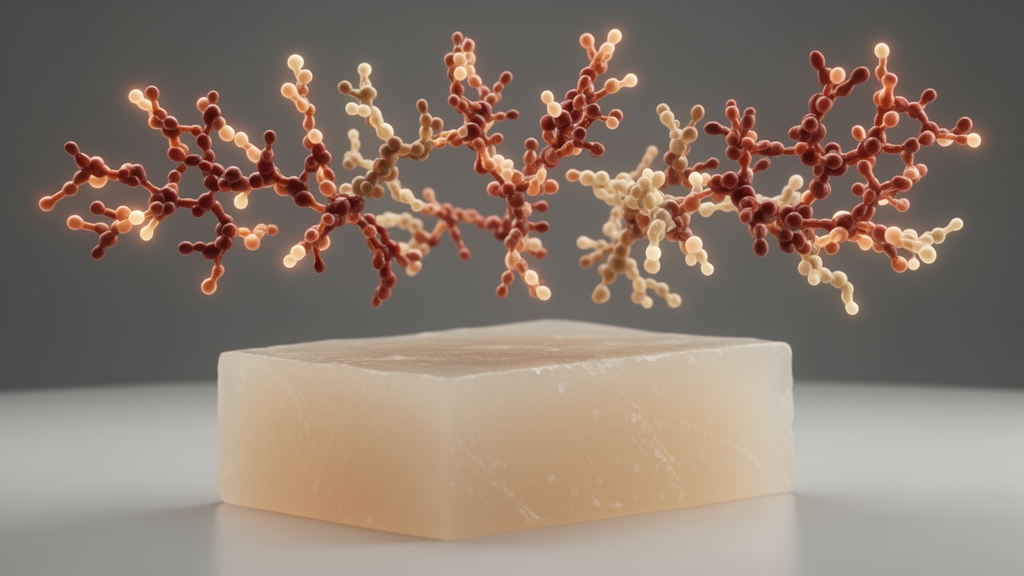
Starches isolated from three Korean adzuki bean (Vigna angularis) cultivars show that molecular order governs digestibility while amylopectin chain-length distribution shapes gel rheology, according to a study published in Food Science and Biotechnology. The work examined Hongmiin, Hongda and Huinguseul starches, all of which displayed a C-type crystalline pattern with relative crystallinity ranging from 21.4 to 24.5 percent.

Hongmiin starch showed the highest crystallinity, gelatinization enthalpy and resistant starch content, which the authors interpret as a highly ordered and thermally stable structure. Hongda starch, by contrast, had the highest proportion of B1 chains with a degree of polymerization of 13 to 24, along with the greatest setback viscosity and the largest slowly digestible starch fraction, suggesting enhanced starch chain reassociation during cooling.

Huinguseul starch contained the highest proportion of very long amylopectin chains with a degree of polymerization of 37 or more and exhibited the greatest crossover strain, a measure the researchers link to superior deformation tolerance in the gel network. These cultivar-specific differences indicate that the fine structure of amylopectin, rather than bulk crystallinity alone, determines how the gels resist deformation.

The study, which investigated the relationships among amylopectin chain-length distribution, molecular order, starch digestibility and gel rheology, concludes that molecular order controls digestibility whereas chain-length distribution determines gel network stability and rheological behavior.

Subject of Research: Structure–function relationships of adzuki bean starch gels (pat-muk) in three Korean cultivars

Article Title: Effects of amylopectin chain-length distribution and molecular order on starch digestibility and rheological properties of adzuki bean starch gels (Pat-muk)

Article References: Sim, E., Ju, Y. K., & Jung, Y. H. (2026). Effects of amylopectin chain-length distribution and molecular order on starch digestibility and rheological properties of adzuki bean starch gels (Pat-muk). Food Science and Biotechnology. https://doi.org/10.1007/s10068-026-02284-9

Image Credits: AI Generated

DOI: 10.1007/s10068-026-02284-9

Keywords: adzuki bean, starch digestibility, amylopectin, chain-length distribution, molecular order, resistant starch, rheology, pat-muk, crystallinity, Vigna angularis, Effects, chain-length

Cite Scienmag News

Gregory Coleman. (October 27, 2026). Amylopectin chain length and molecular order steer digestibility of adzuki bean starch gels. Scienmag. https://scienmag.com/amylopectin-chain-length-and-molecular-order-steer-digestibility-of-adzuki-bean-starch-gels/


Gregory Coleman. "Amylopectin chain length and molecular order steer digestibility of adzuki bean starch gels." Scienmag, 27 October 2026, https://scienmag.com/amylopectin-chain-length-and-molecular-order-steer-digestibility-of-adzuki-bean-starch-gels/. Accessed 27 October 2026.

Gregory Coleman. "Amylopectin chain length and molecular order steer digestibility of adzuki bean starch gels." Scienmag. October 27, 2026. https://scienmag.com/amylopectin-chain-length-and-molecular-order-steer-digestibility-of-adzuki-bean-starch-gels/

Tags: adzuki beanadzuki bean cultivar starch propertiesamylopectinAmylopectin chain length distributionamylopectin structural analysischain-lengthchain-length distributioncrystalline patterns in starchcrystallinitycultivar-specific starch characteristicsEffectsgel rheology of legume starchesinfluence of amylopectin on gel deformationmolecular ordermolecular order in starch gelspat-mukresistant starchresistant starch content in adzuki beansrheologystarch digestibilitystarch digestibility and molecular structurestarch thermal stabilityVigna angularis
Share26Tweet16
Previous Post

Newborn Chihuahua puppies already have brachycephalic skulls, study finds

Next Post

MIT Origami Construction Builds Stiffer Structures With Less Material

Related Posts

ZFX Drives T-cell Leukemia Growth Through m5C Methylation of PD1 mRNA
Biotechnology

ZFX Drives T-cell Leukemia Growth Through m5C Methylation of PD1 mRNA

October 27, 2026
Black Soldier Fly Larvae Fully Replace Fishmeal in Young Nile Tilapia Diets
Marine

Black Soldier Fly Larvae Fully Replace Fishmeal in Young Nile Tilapia Diets

October 27, 2026
Herbal Medicine Lowers Blood Pressure in Mice While Expanding Gut Microbe Dubosiella
Biotechnology

Herbal Medicine Lowers Blood Pressure in Mice While Expanding Gut Microbe Dubosiella

October 27, 2026
Plate waste and small portions reveal gaps in Indonesia’s free school meal program
Agriculture

Plate waste and small portions reveal gaps in Indonesia’s free school meal program

October 27, 2026
New deep learning dropout method sharpens enzyme prediction across fish species
Biotechnology

New deep learning dropout method sharpens enzyme prediction across fish species

October 27, 2026
Cheese shoppers value origin labels most, but ethics reshape what they will pay
Agriculture

Cheese shoppers value origin labels most, but ethics reshape what they will pay

October 27, 2026
Next Post
MIT Origami Construction Builds Stiffer Structures With Less Material

MIT Origami Construction Builds Stiffer Structures With Less Material

  • Mothers who receive childcare support from maternal grandparents show more optimized

    Mothers who receive childcare support from maternal grandparents show more parental warmth, finds NTU Singapore study

    27656 shares
    Share 11059 Tweet 6912
  • University of Seville Breaks 120-Year-Old Mystery, Revises a Key Einstein Concept

    1061 shares
    Share 424 Tweet 265
  • Bee body mass, pathogens and local climate influence heat tolerance

    682 shares
    Share 273 Tweet 171
  • Researchers record first-ever images and data of a shark experiencing a boat strike

    546 shares
    Share 218 Tweet 137
  • Groundbreaking Clinical Trial Reveals Lubiprostone Enhances Kidney Function

    531 shares
    Share 212 Tweet 133
Science

Embark on a thrilling journey of discovery with Scienmag.com—your ultimate source for cutting-edge breakthroughs. Immerse yourself in a world where curiosity knows no limits and tomorrow’s possibilities become today’s reality!

RECENT NEWS

  • Rebuilding Aghdam: how a destroyed city is testing sustainable urban recovery
  • Scientists can predict low birthweights in West Africa up to a year ahead using climate data
  • Explainable AI models track EV battery health over 6G networks
  • Nurses Emerge as Key Players in Taming Targeted Cancer Therapy Side Effects

Categories

  • Agriculture
  • Anthropology
  • Archaeology
  • Athmospheric
  • Biology
  • Biotechnology
  • Blog
  • Bussines
  • Cancer
  • Chemistry
  • Climate
  • Earth Science
  • Editorial Policy
  • Marine
  • Mathematics
  • Medicine
  • Pediatry
  • Policy
  • Psychology & Psychiatry
  • Science Education
  • Science News
  • Social Science
  • Space
  • Technology and Engineering

Subscribe to Blog via Email

Enter your email address to subscribe to this blog and receive notifications of new posts by email.

Join 5,151 other subscribers

© 2025 Scienmag - Science Magazine

Welcome Back!

Login to your account below

Forgotten Password?

Retrieve your password

Please enter your username or email address to reset your password.

Log In
No Result
View All Result
  • HOME
  • SCIENCE NEWS
  • CONTACT US

© 2025 Scienmag - Science Magazine

Discover more from Science

Subscribe now to keep reading and get access to the full archive.

Continue reading