


Tablet Crushing Methods Alter Acetaminophen Crystallinity, Dissolution, and Packaging Dose Accuracy
A comparative study reveals that crushing methods alter acetaminophen crystallinity, dissolution, and powder loss during automated dispensing.
A comparative study reveals that crushing methods alter acetaminophen crystallinity, dissolution, and powder loss during automated dispensing.

Researchers investigated micromixing in a Y-type microchannel using CFD, identifying an operating window associated with observed structural features of synthesized ...

Researchers trained an XGBoost machine learning model to estimate the residual tensile strength of artificially aged silk textiles from nondestructive ...

A new in vitro study finds that a 10 percent PCL coating preserves the compression strength of degrading PLGA suture ...

Brazilian researchers show that mild hydrogen peroxide bleaching at 40 degrees Celsius preserves the nanofiber structure of kombucha-derived bacterial cellulose ...
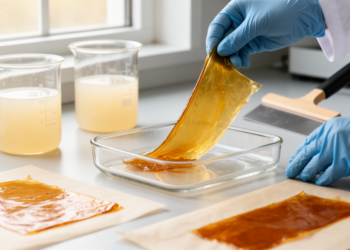
Ten CMC–KGM–kappa-carrageenan film formulations reveal how crystallinity and hydrogen bonding govern moisture transport, with a balanced 6:3:1 blend offering the ...
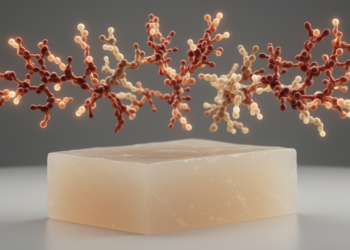
A study of three Korean adzuki bean cultivars links amylopectin chain-length distribution and molecular order to starch digestibility and gel ...
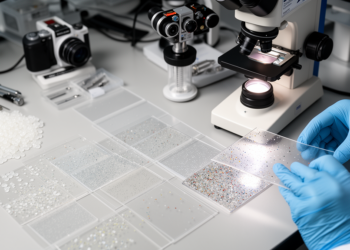
An experiment using multi-objective Bayesian optimization mapped the strength–stretchability trade-off in polyethylene composite films and linked it to molecular alignment ...
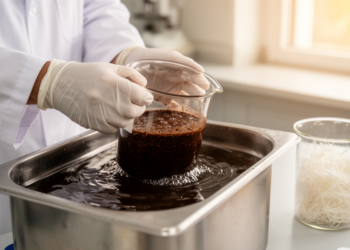
Ethiopian researchers used ultrasound-assisted alkaline treatment and two-stage bleaching to convert coffee parchment waste into high-purity, thermally stable microfibrillated cellulose.
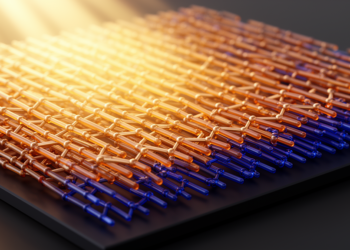
A fine molecular engineering strategy for non-fullerene acceptors delivers 19.67% power conversion efficiency with record-low energy loss and exceptional photostability ...


Embark on a thrilling journey of discovery with Scienmag.com—your ultimate source for cutting-edge breakthroughs. Immerse yourself in a world where curiosity knows no limits and tomorrow’s possibilities become today’s reality!