


Alzheimer’s disease has long been caricatured as a single, predictable illness: an older person gradually losing memories. A major new review argues that this picture is not only incomplete but actively misleading for a substantial group of patients whose disease announces itself through vision, language, behavior, or movement rather than memory. Writing in Nature Reviews Neurology, Lea T. Grinberg and Melissa E. Murray, both of Mayo Clinic Florida, synthesize clinical, neuropathological, imaging, genetic, and molecular evidence to argue that atypical Alzheimer’s disease deserves a far more rigorous and structured description, and they propose a practical four-axis framework for achieving it.
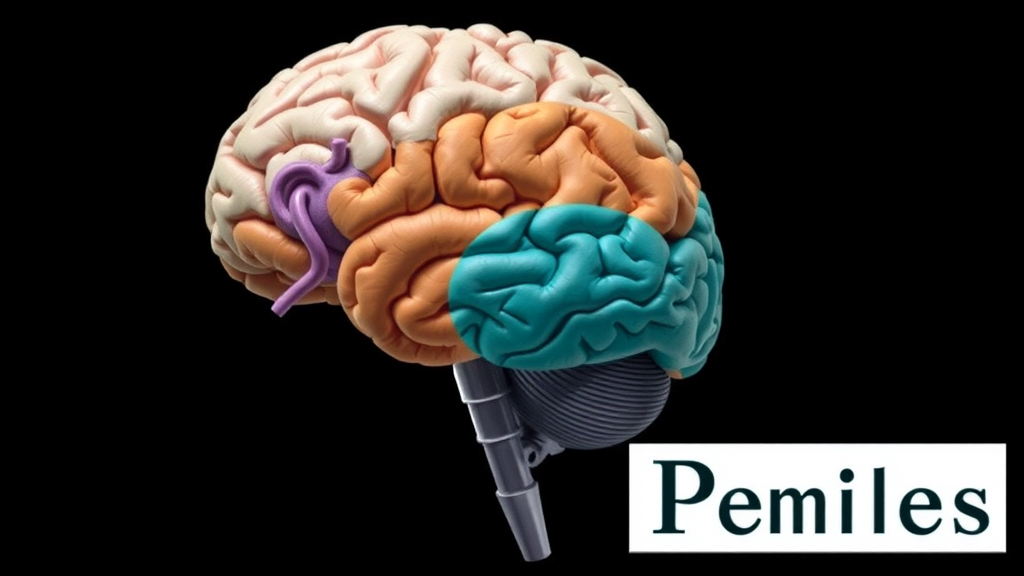
The biological definition of Alzheimer’s disease rests on two proteinopathies: extracellular amyloid-beta plaques and intracellular tau neurofibrillary tangles. Under modern biomarker-based criteria, a positive amyloid test combined with evidence of tau pathology is sufficient to establish the disease biologically, regardless of which symptoms a patient shows. Yet the two hallmark proteins do not strike the brain uniformly. In typical Alzheimer’s disease, tau accumulates early in the medial temporal lobe, and memory fails first. In atypical forms, the same molecular process unfolds with a strikingly different geographic signature, sparing the hippocampus and instead devastating posterior cortical regions, left-hemisphere language networks, frontal-executive circuits, or motor and praxis-related areas.
The review catalogs the principal atypical presentations. Posterior cortical atrophy begins with visual disturbances, including difficulty reading, judging spatial relationships, and recognizing objects, and is frequently misdiagnosed as ophthalmological disease for years. Logopenic variant primary progressive aphasia erodes word-finding and sentence repetition, often sending patients to speech-language pathologists before any dementia specialist is involved. Behavioral and dysexecutive Alzheimer’s disease mimics frontotemporal dementia, with disinhibition, apathy, impaired planning, or poor judgment dominating the early course. Corticobasal syndrome, classically associated with the tauopathy corticobasal degeneration, can in a subset of cases prove at autopsy to be driven by Alzheimer’s pathology. Each variant tends to strike at a younger age than typical disease, often in the fifties and sixties, when patients are still working and raising families.
A central technical insight of the review is the dissociation between amyloid and tau as explanatory variables. Amyloid biomarkers, whether cerebrospinal fluid assays or amyloid PET, usually confirm that Alzheimer’s biology is present, but amyloid burden correlates poorly with symptom type and severity. Regional tau burden, measured by tau PET or quantified at autopsy, tracks the affected brain network far more closely. In posterior cortical atrophy, tau concentrates in occipital and parietal cortex; in logopenic aphasia, in left temporoparietal language areas; in behavioral variants, in frontal and medial prefrontal regions. Neurodegeneration and metabolic dysfunction, seen on MRI and FDG-PET, mirror this tau topography. In other words, amyloid may set the stage, but tau’s choreography determines which act the audience sees.
This network-based view draws on a foundational observation in neurodegeneration research: degenerative diseases appear to target large-scale brain networks rather than random collections of neurons. Tau pathology seems to propagate along connected circuits, and the selective vulnerability of particular networks, why posterior cortical networks fail while hippocampal ones hold out in a given patient, remains one of the field’s central unsolved questions. Atypical variants, the authors argue, are natural experiments in selective vulnerability. Because the same disease biology produces radically different regional outcomes, these patients offer a uniquely powerful window into which immune-glial, vascular, protein-handling, synaptic, or genetic factors tip particular circuits into early failure.
The evidence for such modifiers is accumulating. Neuropathological studies have shown that clinical variants of Alzheimer’s disease carry distinct regional patterns of neurofibrillary tangle accumulation and distinct neuroinflammatory profiles. Microglial activation, tracked by translocator protein PET, is elevated in posterior cortical atrophy in patterns that differ from amnestic disease, and inflammation appears to co-localize with tau in early-onset cases. Genetic findings add another layer: TREM2 risk variants, which alter microglial function, are associated with atypical presentations, while APOE epsilon4, the strongest common genetic risk factor for typical late-onset disease, shows a more complex relationship with phenotype, influencing tau and amyloid PET patterns and functional connectivity in posterior cortical atrophy and logopenic aphasia. Tau itself is molecularly diverse, with cryo-EM studies revealing distinct filament structures, and tau strain differences have been proposed to contribute to clinical heterogeneity.
Co-pathology further complicates the picture. Many older brains harbor more than one misfolded protein, and comorbid Lewy body pathology, vascular injury, or TDP-43 can reshape both the clinical presentation and the pace of decline. Studies of early-onset versus late-onset disease show differing burdens of comorbid neuropathology, and community-based autopsy studies reveal that many people with substantial Alzheimer’s pathology never developed dementia, highlighting the role of resilience and compensatory factors. Age itself matters: younger patients tend to have purer, more focal pathology, which may partly explain why atypical phenotypes cluster at younger ages of onset.
The review’s core proposal is a four-axis framework designed to capture this heterogeneity without abandoning the biological definition of the disease. The first axis is the clinical phenotype, the observable syndrome such as posterior cortical atrophy or logopenic aphasia. The second is the AD biological context, encompassing the presence of amyloid and tau, co-pathologies, and molecular modifiers such as genetic risk and inflammatory state. The third is network topography, the regional pattern of tau, atrophy, and dysfunction that defines which circuits are under attack. The fourth is tempo, the rate of clinical and biomarker progression, which ranges from indolent to rapidly progressive and is increasingly recognized as a distinct dimension of disease rather than a footnote. Recording all four axes, the authors contend, would allow two patients with identical amyloid status to be described in terms that actually predict their trajectories.
The practical stakes are considerable. Diagnostic delays in atypical Alzheimer’s are notorious, with posterior cortical atrophy patients often waiting years for a correct diagnosis while being treated for cataracts, anxiety, or stress. Biomarker frameworks built around the amyloid-tau-neurodegeneration scheme confirm biological Alzheimer’s disease but say little about phenotype, network, or pace, leaving clinicians and trialists with coarse categories. Clinical trials designed around memory outcomes may miss benefit in patients whose relevant endpoints are visual processing or language fluency, and cohorts mixing typical and atypical cases without stratification can dilute or obscure treatment effects. A recent call to action on improving the clinical trial landscape for atypical variants underscores the point: without network-tailored outcomes and phenotype-specific stratification, trials risk failing for reasons unrelated to the drug’s biology.
The framework also reframes a deeper conceptual question the authors have pressed before: whether Alzheimer’s disease, defined by a shared molecular pathology but expressed through such divergent clinical and anatomical routes, is best understood as one disease or a family of diseases. By separating what is common, the amyloid-tau biology, from what varies, the topography, tempo, and biological context, the multi-axis model offers a way to keep a unified biological diagnosis while acknowledging genuine subtypes within it. For the growing population of patients diagnosed with Alzheimer’s disease in their fifties and sixties with symptoms that bear no resemblance to the textbook memory disorder, that shift in descriptive precision is not academic. It determines whether their disease is recognized early, whether they are enrolled in the right trials, and whether the outcomes measured in those trials reflect the brain networks actually failing beneath their symptoms.
Subject of Research: A multi-axis framework for defining clinical, pathological, network, and progression heterogeneity in atypical Alzheimer disease
Article Title: Atypical Alzheimer disease: a multi-axis framework toward defining heterogeneity
Article References: Grinberg, L. T., & Murray, M. E. (2026). Atypical Alzheimer disease: a multi-axis framework toward defining heterogeneity. Nature Reviews Neurology. https://doi.org/10.1038/s41582-026-01267-y
Image Credits: AI Generated
DOI: 10.1038/s41582-026-01267-y
Keywords: Alzheimer's disease, atypical Alzheimer disease, posterior cortical atrophy, primary progressive aphasia, tau pathology, amyloid-beta, biomarkers, selective vulnerability, brain networks, neuroinflammation, APOE, clinical trials
Cite Scienmag News
Cassandra Pierce. (September 20, 2026). New Four-Axis Framework Maps the Hidden Diversity of Atypical Alzheimer’s Disease. Scienmag. https://scienmag.com/new-four-axis-framework-maps-the-hidden-diversity-of-atypical-alzheimers-disease/
Cassandra Pierce. "New Four-Axis Framework Maps the Hidden Diversity of Atypical Alzheimer’s Disease." Scienmag, 20 September 2026, https://scienmag.com/new-four-axis-framework-maps-the-hidden-diversity-of-atypical-alzheimers-disease/. Accessed 20 September 2026.
Cassandra Pierce. "New Four-Axis Framework Maps the Hidden Diversity of Atypical Alzheimer’s Disease." Scienmag. September 20, 2026. https://scienmag.com/new-four-axis-framework-maps-the-hidden-diversity-of-atypical-alzheimers-disease/


