


Every day, billions of cells in the human body die in a controlled and deliberate fashion, a process that scientists have come to call regulated cell death. Far from being a simple collapse, many of these deaths culminate in a dramatic final act: the violent rupture of the plasma membrane, the thin lipid boundary that separates the living cell from its surroundings. For decades, this rupture was viewed as a passive consequence of dying, an incidental loss of structural integrity. A new review published in the Journal of Cancer Research and Clinical Oncology argues that this final step is, in fact, an actively executed event, choreographed by a small membrane protein called Ninjurin-1, or NINJ1, and that this executioner molecule may hold critical clues to both inflammatory disease and the behavior of tumors.
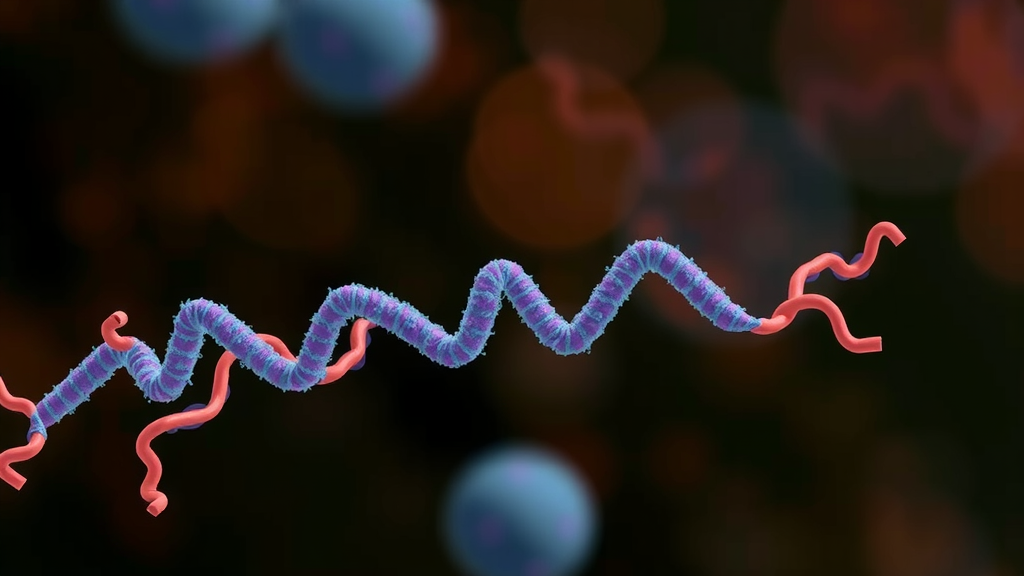
NINJ1 first attracted attention in immunology circles for its unusual structural capabilities. When activated during lytic forms of cell death, including pyroptosis and necroptosis, NINJ1 proteins assemble into filamentous oligomers along the cell surface. Using a distinctive helical-alpha helix interaction motif, these proteins pack side by side into a growing chain that ultimately seals into a ring, mechanically prying the membrane apart. Cryo-electron microscopy studies have revealed how individual subunits engage one another and how small molecules can disrupt this assembly, offering researchers their first mechanistic picture of how a cell actively tears itself open. The result is the release of intracellular contents, ranging from damage-associated molecular patterns such as HMGB1 and ATP to mature inflammatory cytokines, into the extracellular space, where they act as powerful alarm signals for the immune system.
The scope of NINJ1’s involvement, however, extends well beyond pyroptosis. The review systematically traces the protein’s fingerprints across the major lytic death pathways. In necroptosis, driven by the MLKL kinase downstream of TNF receptor signaling, NINJ1 determines whether membrane breakdown is complete and whether cellular contents spill out to provoke inflammation. In ferroptosis, the iron-dependent lipid peroxidation-driven death implicated in tissue injury and therapy resistance, NINJ1 likewise mediates the terminal rupture. Even in secondary necrosis, the late-stage membrane collapse that follows otherwise non-lytic apoptosis, NINJ1 appears to govern the release of material from cells that initially died quietly. In PANoptosis, a recently described inflammatory death modality that integrates features of pyroptosis, apoptosis, and necroptosis, NINJ1 sits at the convergence point where intracellular alarm systems are converted into extracellular immunological signals.
This role in content release has profound consequences for inflammation. The magnitude and character of the immune response triggered by a dying cell depend substantially on what escapes through the ruptured membrane and in what quantity. By controlling plasma membrane rupture, NINJ1 effectively acts as a rheostat for the inflammatory tone of a tissue. In settings of acute infection, this can be protective, amplifying the recruitment of neutrophils and macrophages to sites of microbial invasion. In chronic disease, however, the same mechanism can sustain a self-perpetuating cycle of damage and inflammation, a dynamic well recognized in sepsis, ischemia-reperfusion injury, and inflammatory bowel disease. Pharmacological interference with NINJ1 oligomerization, informed by recent structural work, is now being explored as a strategy to dampen pathological inflammation without abolishing cell death itself.
It is in cancer, though, that NINJ1’s story becomes genuinely double-edged, and it is this duality that forms the conceptual core of the review. On one side of the ledger, NINJ1 can function as a tumor suppressor. When cancer cells undergo immunogenic cell death, the release of tumor antigens and danger signals through NINJ1-mediated rupture can provoke a robust adaptive immune response, generating dendritic cell activation, T cell priming, and durable anti-tumor immunity. In this context, a cell that dies loudly and publicly is a cell that teaches the immune system to recognize and eliminate its malignant relatives. Chemotherapy and radiotherapy regimens that induce immunogenic death may therefore depend partly on intact NINJ1 function for their full therapeutic benefit, raising the possibility that NINJ1 status could serve as a biomarker for treatment response.
On the other side of the ledger, the review documents compelling evidence that NINJ1 can act as a pro-tumor factor. In the tumor microenvironment, chronic and poorly resolved inflammatory death can fuel the very processes that cancers exploit to progress. Persistent release of inflammatory mediators promotes the recruitment of immunosuppressive myeloid cells, skews macrophages toward tumor-promoting phenotypes, and creates a milieu favorable to angiogenesis and invasion. Moreover, tumor cells with altered NINJ1 expression may evade immune recognition or reshape their surroundings in ways that facilitate metastasis. The review also highlights the p53–NINJ1–xCT axis as an instructive example of context-dependent regulation, in which the tumor suppressor p53 influences NINJ1 expression and, through it, the activity of the cystine-glutamate antiporter xCT, linking cell death execution directly to metabolic adaptation and ferroptosis sensitivity in cancer cells.
Immune cell trafficking adds yet another layer to NINJ1’s expanding portfolio. The protein takes its name from the Japanese word ninjin, meaning nerve, reflecting its original identification in neuronal adhesion, and earlier work established roles for ninjurins in leukocyte migration and adhesion. In tumors, immune cell infiltration is a critical determinant of prognosis and immunotherapy success, and NINJ1-dependent mechanisms appear to influence how immune cells move through and interact with the tumor stroma. The review suggests that dissecting these functions could reveal why some tumors mount vigorous immune infiltrates while others remain immunologically cold, a distinction with direct implications for checkpoint inhibitor therapy.
From a translational standpoint, the authors frame NINJ1 as a molecule whose therapeutic manipulation must be exquisitely context-aware. Blocking NINJ1 might relieve destructive inflammation in sepsis or autoinflammatory disease, yet the same intervention could blunt the immunogenic death signals that make certain anti-cancer treatments work. Conversely, enhancing NINJ1-mediated rupture within tumors might convert immunologically silent lesions into inflamed, immune-visible targets, but it risks amplifying the chronic inflammatory circuits that drive tumor progression in other settings. The dual role means that NINJ1-directed therapies will likely require careful patient selection, perhaps guided by tumor genotype, p53 status, and the inflammatory signature of the microenvironment. Structural insights into the oligomerization interface provide a concrete starting point for the development of small-molecule modulators that could tip this balance in either direction.
What emerges from this synthesis is a portrait of cell death as a finely engineered process whose final mechanical step carries as much biological meaning as the genetic programs that trigger it. NINJ1, once a footnote in the cell death literature, now stands at the intersection of structural biology, immunology, and oncology, a protein that decides how loudly a dying cell announces its demise and whether that announcement heals or harms. As clinical trials of cell death modulators advance and structural biology continues to refine our understanding of the NINJ1 filament, the coming years may determine whether this membrane rupture executor can be harnessed as a versatile tool, quieting catastrophic inflammation on one hand and igniting anti-tumor immunity on the other. For a molecule that works by tearing membranes apart, NINJ1 is proving remarkably adept at knitting together previously separate fields of biomedical research.
Subject of Research: The role of the NINJ1 protein in plasma membrane rupture during regulated cell death and its dual functions in cancer progression
Article Title: NINJ1 in regulated cell death and cancer: a plasma membrane rupture executor with dual roles in tumor progression
Article References: Zhou, J., Li, M., Tan, S., & Tan, S. (2026). NINJ1 in regulated cell death and cancer: a plasma membrane rupture executor with dual roles in tumor progression. Journal of Cancer Research and Clinical Oncology. https://doi.org/10.1007/s00432-026-06592-9
Image Credits: AI Generated
DOI: 10.1007/s00432-026-06592-9
Keywords: NINJ1, plasma membrane rupture, regulated cell death, pyroptosis, necroptosis, ferroptosis, PANoptosis, immunogenic cell death, tumor microenvironment, p53–NINJ1–xCT axis, cancer therapy, inflammation
Cite Scienmag News
Nathaniel Bowman. (September 12, 2026). NINJ1: The Membrane-Rupturing Protein That Decides How Cells Die and How Tumors Thrive. Scienmag. https://scienmag.com/ninj1-the-membrane-rupturing-protein-that-decides-how-cells-die-and-how-tumors-thrive/
Nathaniel Bowman. "NINJ1: The Membrane-Rupturing Protein That Decides How Cells Die and How Tumors Thrive." Scienmag, 12 September 2026, https://scienmag.com/ninj1-the-membrane-rupturing-protein-that-decides-how-cells-die-and-how-tumors-thrive/. Accessed 12 September 2026.
Nathaniel Bowman. "NINJ1: The Membrane-Rupturing Protein That Decides How Cells Die and How Tumors Thrive." Scienmag. September 12, 2026. https://scienmag.com/ninj1-the-membrane-rupturing-protein-that-decides-how-cells-die-and-how-tumors-thrive/


