


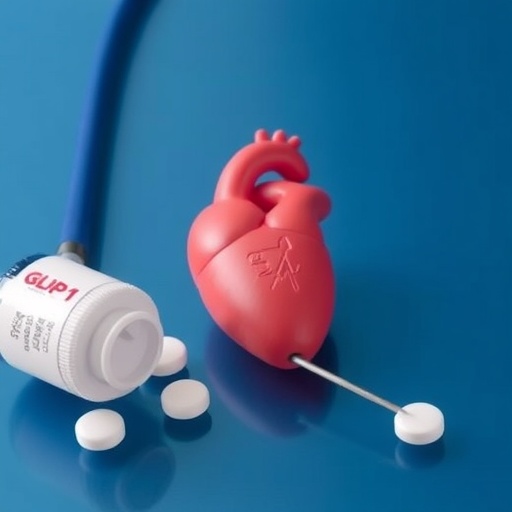
In recent years, GLP-1 receptor agonists such as semaglutide and tirzepatide have surged in popularity, widely prescribed for type 2 diabetes management and weight loss. These drugs not only facilitate glycemic control and induce significant weight reductions but also provide crucial cardiovascular protection. However, a groundbreaking study from Washington University School of Medicine in St. Louis reveals a troubling aspect: discontinuing these medications, even temporarily, dramatically escalates the risk of heart attack, stroke, and death when compared to continuous treatment.
This extensive investigation followed more than 333,000 U.S. veterans diagnosed with type 2 diabetes over a three-year period. The researchers discovered that patients who halted or interrupted their GLP-1 therapy for as little as six months showed a marked increase in major adverse cardiovascular events. The risk magnified with the duration of treatment interruption, culminating in a 22% increase in heart attack, stroke, or death among those off GLP-1 treatment for two years. These alarming findings suggest the cardiometabolic benefits of GLP-1 receptor agonists can be eroded swiftly upon discontinuation, effectively negating the gains accrued during therapy.
Published in BMJ Medicine on March 18, 2026, the study underscores the metabolic and cardiovascular consequences of stopping GLP-1 treatment. Prior to this, the main focus had been on weight regain post-cessation, but this research extends concern to the resurgence of systemic inflammation, heightened blood pressure, and increased cholesterol levels. These metabolic perturbations constitute a silent reversal of cardioprotection that often goes unnoticed until manifested as serious cardiovascular events. The data highlight a critical need for sustained adherence to GLP-1 therapy to preserve heart health.
Dr. Ziyad Al-Aly, the senior author and a notable clinical epidemiologist, emphasizes the clinical implications: despite the enthusiasm surrounding the initiation of GLP-1 treatments, discontinuation rates remain high due to factors like cost barriers, side effects, and drug shortages. Patients often experience a “metabolic whiplash,” a rapid reversal of metabolic improvements when therapy is interrupted. The study demonstrates that even when treatment is restarted, the cardiovascular benefits are only partially restored, suggesting a durable adverse impact from lapses in therapy.
GLP-1 receptor agonists include well-known drugs such as Ozempic and Wegovy (semaglutide), as well as Mounjaro and Zepbound (tirzepatide). The research team compared outcomes from 132,551 patients on GLP-1 drugs to 201,136 patients treated with sulfonylureas—a different class of diabetes medications including glipizide, glimepiride, and glyburide. Sulfonylureas, known for their glucose-lowering effects, served as an effective comparator to evaluate cardiovascular outcomes associated with GLP-1 usage continuity.
During the study, treatment status was meticulously evaluated every six months. About 26% of patients ceased GLP-1 therapy, while nearly 23% experienced interruptions exceeding six months followed by treatment resumption. Continuous GLP-1 usage over the entire study duration was associated with an 18% reduction in major cardiovascular events relative to sulfonylurea users—amounting to roughly four fewer heart attacks, strokes, or deaths per 100 patients over three years.
Intermediate durations of GLP-1 use (two to two and a half years) followed by discontinuation still conferred some cardiovascular protection, with risk reductions of 7% to 15%, respectively. Conversely, those with less than 18 months of GLP-1 exposure did not demonstrate significant cardioprotective effects by the study’s end. Patients experiencing treatment interruptions and subsequent resumption derived diminished benefits compared to uninterrupted users, with cardiovascular risk gradually increasing proportional to the length of the interruption.
Of critical importance, interruptions as brief as six months led to a 4% to 8% increase in cardiovascular risk relative to continuous GLP-1 therapy. One or two-year discontinuations without resumption correlated with 14% and 22% rises in risk, respectively. These findings paint a stark picture: cardiovascular benefits gained through GLP-1 therapy accumulate gradually but degrade rapidly once treatment is halted.
The clinical takeaways are profound. Healthcare providers must prioritize adherence to GLP-1 drugs as a fundamental therapeutic goal, integrating proactive management strategies to address side effects, financial obstacles, and patient education about the lifelong nature of treatment. Systems-level interventions to monitor medication continuity and support patients vulnerable to discontinuation are paramount to preserving the cardioprotective advantages of GLP-1 receptor agonists.
Notably, the study reveals that once cardiovascular benefits are lost due to treatment cessation, they are only partially recoverable upon restarting therapy. This “scar” left by discontinuation accentuates the importance of uninterrupted medication use, reinforcing the analogy of metabolic whiplash described by Dr. Al-Aly. The rapid erosion of heart protection contrasts with the slow development of therapeutic benefits, underscoring the fragility of the gains gained through GLP-1 treatment.
In conclusion, as GLP-1 receptor agonists become entrenched in diabetes and obesity management paradigms, it is imperative to appreciate the significance of sustained treatment adherence. The balance between therapeutic benefit and cardiovascular risk hinges on continuous drug exposure. Future research and healthcare policies should focus on reducing barriers to uninterrupted GLP-1 therapy, facilitating long-term cardiovascular health in patients grappling with type 2 diabetes.
News Publication Date: 18-Mar-2026
Web References:
DOI: 10.1136/bmjmed-2025-002150
References:
Xie Y, Choi T, Al-Aly Z. GLP-1RA discontinuation and risks of major adverse cardiovascular events in adults with type 2 diabetes: A target emulation trial. BMJ Medicine. March 18, 2026. DOI: 10.1136/bmjmed-2025-002150.
Cite Scienmag News
Courtney Benton. (March 18, 2026). Discontinuing GLP-1 Drugs Rapidly Reverses Cardiovascular Benefits. Scienmag. https://scienmag.com/discontinuing-glp-1-drugs-rapidly-reverses-cardiovascular-benefits/
Courtney Benton. "Discontinuing GLP-1 Drugs Rapidly Reverses Cardiovascular Benefits." Scienmag, 18 March 2026, https://scienmag.com/discontinuing-glp-1-drugs-rapidly-reverses-cardiovascular-benefits/. Accessed 4 September 2026.
Courtney Benton. "Discontinuing GLP-1 Drugs Rapidly Reverses Cardiovascular Benefits." Scienmag. March 18, 2026. https://scienmag.com/discontinuing-glp-1-drugs-rapidly-reverses-cardiovascular-benefits/


