


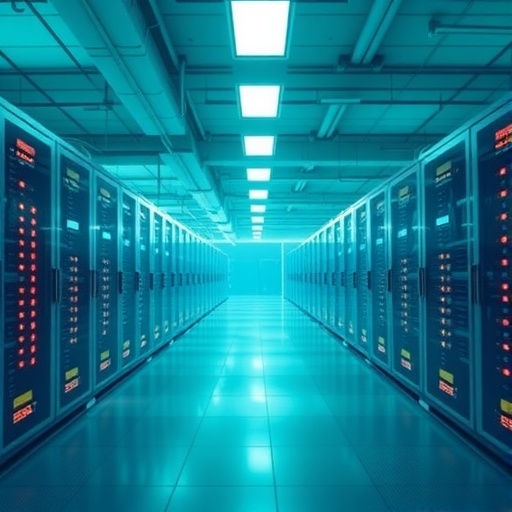
A recent study has illuminated a significant and growing concern in the realm of energy consumption and environmental impact: the escalating electricity demands driven by data centers and cryptocurrency mining across the United States. This increased demand is projected to push power costs up substantially, with some regions potentially seeing hikes of as much as 57% by the year 2030. Nationwide, this surge could provoke average electricity price increases ranging from 6% to 29%. Importantly, this surge is not just an economic issue but an environmental one, as the associated CO2 emissions tied to these energy demands could climb by as much as 28%, reversing years of progress made in reducing the carbon footprint of power generation.
Historically, power consumption in the United States had remained relatively stable for nearly two decades, a trend that is now being upended. According to Jeremiah Johnson, an associate professor at North Carolina State University and a corresponding author of the study, the recent uptick can largely be attributed to the expansion of data centers, with cryptocurrency mining also playing a noticeable role. The implications of this shift are profound, touching everything from infrastructure development to regulatory strategies and carbon emission targets.
To explore the implications of this increased energy demand, the research team employed a suite of computational modeling tools, drawing extensively on contemporary forecasts of data center and crypto mining power requirements through 2030. These models allowed the researchers to simulate and optimize energy system operations, effectively mapping out how power might be generated, distributed, and consumed across 26 distinct regions of the contiguous United States.
The cornerstone of their methodology was an energy system optimization model, a sophisticated computational approach that aims to design and operate comprehensive energy supply chains in the most cost-effective manner possible. By factoring in regulatory constraints and real-world operational details, these models provide keen insights into where and how new infrastructure investments should be directed. Such optimization considers hourly variations in supply and demand, offering a nuanced view rarely attainable through traditional forecasting methods.
One particularly troubling outcome of the study is the prediction that the burgeoning power needs of data centers and crypto mining ventures could negate two decades’ worth of carbon emission reductions previously achieved by the power sector. The projected increase of up to 28% in CO2 emissions underscores the challenge of aligning digital infrastructure growth with national climate goals, highlighting an urgent need for sustainable energy strategies in this fast-evolving sector.
From a financial perspective, the study revealed stark regional disparities in projected electricity cost increases. States such as Virginia, eastern North Carolina, Pennsylvania, Maryland, Delaware, New Jersey, west Texas, Ohio, West Virginia, and New York are likely to witness the steepest price hikes, mainly due to dense clusters of new data centers. Intriguingly, the study suggests that dispersing these energy-intensive facilities more evenly across the country could help mitigate localized electricity price shocks, creating a more balanced nationwide impact.
Uncertainties remain, especially concerning the future expenses tied to natural gas turbine installations and the volatile cost of natural gas itself. Despite these uncertainties, the research consistently shows substantial rises in both energy costs and carbon emissions, emphasizing the resilience of these trends irrespective of fuel price fluctuations or technological advancements in natural gas plant construction.
This research carries significant implications for policymakers, regulators, and energy utilities. Since 2030 is just a few years away, timely decisions regarding power generation infrastructure, regulatory frameworks, and siting of data centers are critical to averting destabilizing effects on electricity markets and carbon emission trajectories. A deep understanding of how emerging digital economies interface with energy systems is essential for developing resilient, efficient, and sustainable infrastructure.
The interdisciplinary nature of the study, combining expertise from North Carolina State University, Carnegie Mellon University, the University of Pittsburgh, and the University of Toronto, exemplifies the collaborative approach required to tackle these complex issues. By bridging civil, construction, environmental engineering, and energy systems analysis, the research provides a comprehensive exploration of how digital transformations ripple through physical power networks and environmental systems alike.
The study, titled “Power System Costs and Emissions from Data Center and Cryptocurrency Mining Expansion in the United States,” is published open access and provides a transparent window into the methodologies and data used. Such openness invites further research and policy discussions, which are indispensable as the nation grapples with balancing technological progress and environmental stewardship.
In conclusion, the convergence of digital infrastructure growth and energy system challenges encapsulates a defining issue of the coming decade. The rising electricity demand from data centers and crypto mining is poised to shake up power costs nationwide and stall progress in carbon emission reductions unless strategic, informed actions are taken promptly. This study serves as a vital call to action for all stakeholders invested in shaping a sustainable and equitable energy future.
Cite Scienmag News
Courtney Benton. (May 18, 2026). Study Predicts Data Centers Could Drive Up Power Bills by Up to 57% by 2030. Scienmag. https://scienmag.com/study-predicts-data-centers-could-drive-up-power-bills-by-up-to-57-by-2030/
Courtney Benton. "Study Predicts Data Centers Could Drive Up Power Bills by Up to 57% by 2030." Scienmag, 18 May 2026, https://scienmag.com/study-predicts-data-centers-could-drive-up-power-bills-by-up-to-57-by-2030/. Accessed 4 September 2026.
Courtney Benton. "Study Predicts Data Centers Could Drive Up Power Bills by Up to 57% by 2030." Scienmag. May 18, 2026. https://scienmag.com/study-predicts-data-centers-could-drive-up-power-bills-by-up-to-57-by-2030/


