


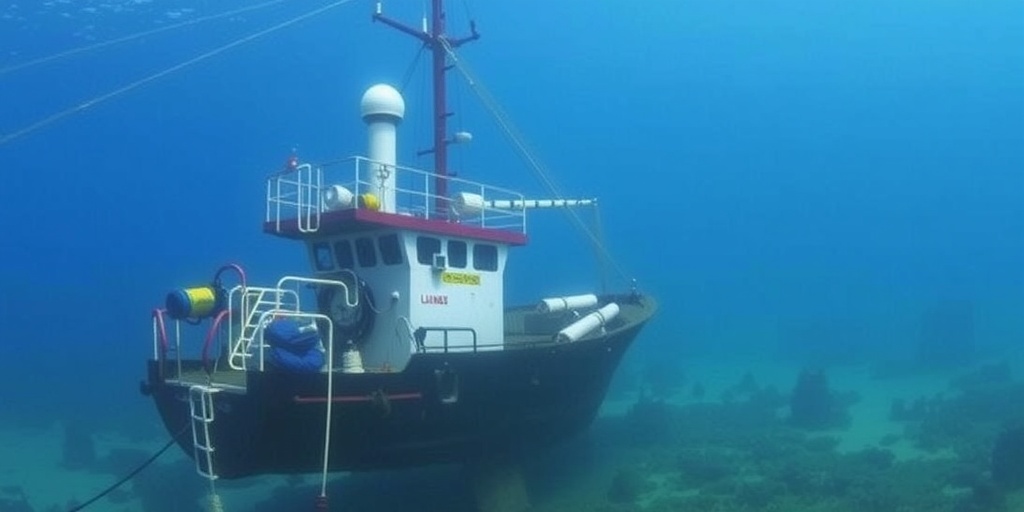
The impact of seabed fishing on carbon emissions is a crucial yet poorly understood aspect of marine ecology. Research conducted by scientists from the University of Exeter highlights the need for more accurate data on the carbon release associated with fishing practices, especially those involving towed net methods such as trawling and dredging. These practices, prevalent among fishing industries worldwide, disturb the ocean floor, which is home to vast stores of organic carbon. The significance of understanding this carbon release cannot be overstated, as it has potential implications for global climate initiatives and marine conservation efforts.
A focal point of the study is the realization that existing data primarily stems from European fishing vessels, raising concerns about the accuracy of global estimates derived from this regional information. Researchers like Mollie Rickwood have pointed out that the differences in the size and type of fishing gear used around the world could lead to significant inaccuracies. For instance, what may be true for European vessels may not hold for those operating in the waters of Asia, Africa, or the Americas, and this variability can skew the overall picture of how much carbon is being vented into the atmosphere due to these fishing practices.
The world’s seabeds represent one of the largest repositories of organic carbon, a fact that is as remarkable as it is alarming. When fishing equipment, particularly that which makes contact with the seafloor, is deployed, it has the potential to release significant amounts of this stored carbon. The researchers have emphasized that to accurately estimate carbon release quantities, it is vital to understand the extent of seabed disturbance across different global regions. This requires a more decentralized and comprehensive approach to data collection, one that constitutes a more global effort rather than relying predominantly on European standards.
One major finding of the research is the acknowledged bias in existing data. Current calculations often extrapolate European gear metrics to make global estimates, which can lead to misleading figures regarding the scale of seabed disruptions worldwide. Additionally, fishing gear reporting lacks standardization, making it difficult to collect comparable data across nations. This situation calls for an urgent reevaluation of how data is gathered and reported in the fishing industry at an international level. The scientists involved in the study assert that collaboration between the scientific community and the fishing industry is pivotal in closing these knowledge gaps.
The urgency of these investigations is underscored by the pressing battle against climate change. The ocean plays a pivotal role in absorbing carbon from the atmosphere, serving as a buffer against environmental catastrophes. As terrestrial ecosystems face increased damage from wildfires, floods, and droughts, understanding the ocean’s capacity to sequester carbon becomes increasingly vital. The research advocates for a better understanding of how secure the organic carbon stored in seabeds is, given the potential for it to be released into the atmosphere through destructive fishing practices.
The Convex Seascape Survey, a robust five-year research initiative, aims to address these pressing issues. This extensive project endeavors to build an understanding of the oceans and their continental shelves in the context of the earth’s carbon cycle, providing crucial insights that could be instrumental in climate change mitigation. With an ambitious scope, the Convex Seascape Survey aspires to provide the data necessary to make informed decisions regarding marine management and conservation.
Significant insights can also be drawn from the research paper recently published in the journal Fish and Fisheries, aptly titled “Regional Variation in Active Bottom-Contacting Gear Footprints.” This publication showcases the potential discrepancies in our understanding of fishing practices and their consequences, highlighting the need for accurate, region-specific data. It ultimately serves as a clarion call for better scientific practices and data collection methods, which can no longer afford to remain fragmented and biased.
The successive findings of this research will likely generate discussions around policy implications for sustainable fishing practices. Improving data collection methods and developing standardized reporting mechanisms could serve as a basis for revising fishing regulations worldwide. Stakeholders in both the fishing and scientific communities must collaborate effectively to develop protocols that ensure a holistic understanding of the environment while allowing for responsible fishing activities.
In light of these findings, it becomes paramount for global organizations and national governments to take action. Policymakers are urged to consider the environmental impact of fishing practices, particularly those that disturb the seafloor. By fostering international cooperation and enforcing stricter regulations based on comprehensive, accurate data, significant strides can be made towards sustainability in the fishing industry.
In conclusion, the intricate relationship between seabed fishing practices and carbon emissions demands thorough exploration. As researchers continue to uncover the complexities of marine ecosystems, it is evident that addressing these elements will be crucial in combating climate change. This research provides not only essential insights but also challenges us to rethink our current methods and practices in marine conservation to ensure the future health of our oceans and the planet.
Cite Scienmag News
Violet Maxwell. (March 25, 2025). Unresolved Impact of Global Trawling on Climate: Key Costs Remain Unknown. Scienmag. https://scienmag.com/unresolved-impact-of-global-trawling-on-climate-key-costs-remain-unknown/
Violet Maxwell. "Unresolved Impact of Global Trawling on Climate: Key Costs Remain Unknown." Scienmag, 25 March 2025, https://scienmag.com/unresolved-impact-of-global-trawling-on-climate-key-costs-remain-unknown/. Accessed 4 September 2026.
Violet Maxwell. "Unresolved Impact of Global Trawling on Climate: Key Costs Remain Unknown." Scienmag. March 25, 2025. https://scienmag.com/unresolved-impact-of-global-trawling-on-climate-key-costs-remain-unknown/


