


Nonsteroidal anti-inflammatory drugs such as ibuprofen and indomethacin are among the most widely consumed medicines on Earth, yet their Achilles heel has always been the stomach. By blocking the COX-1 and COX-2 enzymes, they suppress the prostaglandins that keep the gastric lining protected, leaving millions of long-term users vulnerable to erosions, bleeding, and deep ulcers. Standard countermeasures such as proton pump inhibitors and H2-receptor antagonists help, but chronic use of these acid blockers has been linked to nutrient malabsorption, heightened infection risk, chronic kidney disease, osteoporosis-related fractures, and disruption of the gut microbiome. That growing list of concerns has pushed researchers to hunt for natural, food-based alternatives that could shield the stomach without adding new risks, and a new study published in Food Science & Nutrition suggests the answer may already be sitting in the health-food aisle.
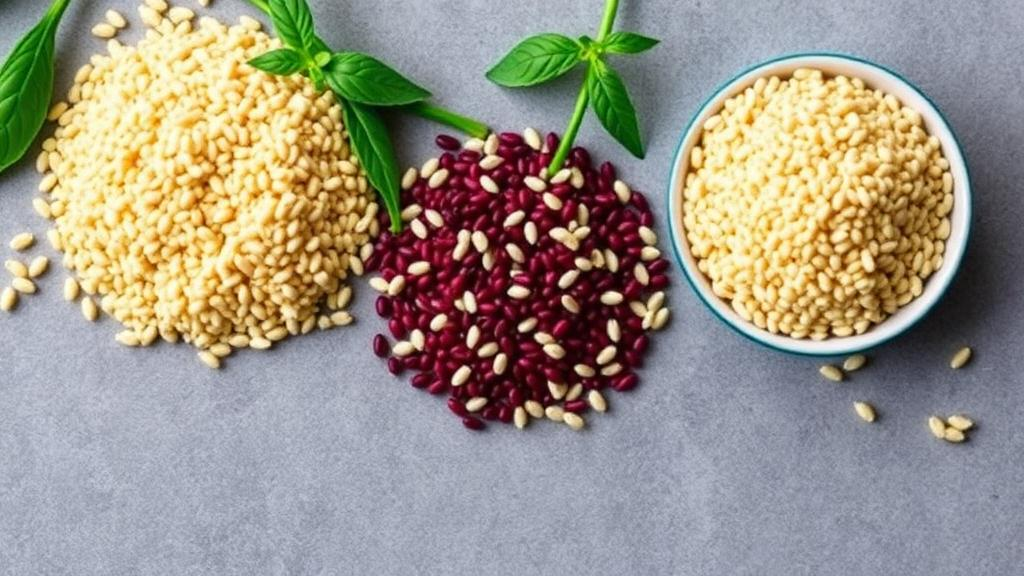
The research, conducted by a team affiliated with Minia University in Egypt, set out to answer a deceptively simple question: does the color of your quinoa matter when it comes to protecting your gut? The investigators compared ordinary white quinoa against a tri-color blend combining white, red, and black seeds in a rat model of indomethacin-induced gastric injury. Their rationale rested on well-documented chemistry. Red and black quinoa varieties typically carry substantially higher total phenolic content and greater radical-scavenging capacity than the pale traditional grain, thanks to pigments such as anthocyanins and betalains. The team hypothesized that this richer phytochemical arsenal would translate into measurably better gastroprotection.
Three signature compounds anchored the mechanistic case. Procyanidin B2, an oligomeric proanthocyanidin, is known to scavenge reactive oxygen species, inhibit lipid peroxidation, and suppress the NF-κB inflammatory master switch. Cinchonain IB, a complex flavanol derivative, has been associated with cytokine modulation and tissue repair. Kaempferol-3-O-rutinoside, a common flavonol, may downregulate inducible nitric oxide synthase and COX-2 while reinforcing the gastric mucus barrier. Because the density of these molecules varies dramatically between quinoa varieties, the researchers reasoned that a head-to-head dietary trial could reveal whether phytochemical diversity directly determines therapeutic potency.
The experimental design was deliberately food-based rather than extract-based. Thirty-six male Sprague Dawley rats were randomly assigned to six groups of six, following the ethical 3Rs principle to minimize animal use. Baked bread was prepared from either refined wheat flour, flour containing 40 percent white quinoa powder, or flour containing 40 percent tri-color quinoa powder, then ground and blended into a standard rodent diet at a 25:75 ratio. Daily portions were weighed and remnants collected to verify that every rat consumed a statistically uniform 21 to 23 grams of food per day, ensuring that any differences in outcome reflected the grain itself rather than unequal intake. After 21 days of feeding, injury was induced with a single oral dose of 30 milligrams per kilogram of indomethacin.
The results were striking. Indomethacin alone devastated the stomachs of control rats: gastric pH plummeted from 3.93 to 1.66, malondialdehyde, a lipid peroxidation marker of oxidative damage, surged from 0.15 to 0.23 nanomoles per gram, and reduced glutathione, the tissue’s primary endogenous antioxidant, collapsed from 1.80 to 0.71 milligrams per gram. Both quinoa diets pushed these values back toward baseline, but the tri-color blend consistently outperformed the white variety. Most notably, malondialdehyde in the tri-color group fell to 0.14 nanomoles per gram, essentially restoring oxidative balance, while glutathione recovered to 1.30 milligrams per gram, a 72 percent restoration compared with roughly 56 percent for white quinoa.
Inflammation told a parallel story. Cyclooxygenase activity more than doubled in the indomethacin-only controls, reaching 5.20 units per milligram, and nuclear NF-κB p65 climbed from 1.62 to 3.81 micrograms per milliliter. Tri-color quinoa supplementation cut COX activity to 2.96 and NF-κB to 2.11, a 45 percent reduction relative to injured controls, with white quinoa trailing slightly behind. Pepsin activity, a measure of the digestive enzyme that can chew through a compromised mucosa, followed the same pattern. The authors attribute these effects to the tri-color blend’s presumed abundance of anthocyanins, betalains, procyanidins, and cinchonains, compounds that literature links to glutathione regeneration and suppression of inflammatory signaling.
Under the microscope, the differences became visually unmistakable. Blinded pathologists, scoring tissue independently with strong agreement, graded necrosis, edema, and inflammation on a zero-to-three scale. Injured control rats scored 2.4 for necrosis, 2.8 for edema, and 2.6 for inflammation, reflecting extensive mucosal destruction, inflammatory infiltration, and submucosal swelling. White quinoa roughly halved those scores, but tri-color quinoa reduced necrosis to 0.4, edema to 0.6, and inflammation to 0.5, an 83 percent drop in mucosal necrosis and near-complete preservation of the gastric architecture. Body weight told the same tale: indomethacin-treated controls gained only 39 grams over the study, while quinoa-fed injured rats gained 42 to 44 grams, indicating that the grain blunted the drug’s systemic as well as local toll.
To probe mechanism, the team turned to molecular docking against human crystal structures of the gastric proton pump Atp4a, COX-2, and NF-κB. Procyanidin B2 bound the proton pump with an affinity of minus 8.9 kilocalories per mole, outperforming the co-crystallized reference ligand and offering a theoretical basis for quinoa acting as a natural acid-secretion moderator. Cinchonain IB delivered the standout result at NF-κB, binding at minus 8.2 kilocalories per mole through hydrogen bonding with Lys417 and hydrophobic contact with Phe439, a mode resembling synthetic NF-κB inhibitors. The authors also note that baking may not destroy these compounds: internal crumb temperatures during standard baking hover around 95 to 98 degrees Celsius, and heat can even release bound phenolics into more bioaccessible forms, which helps explain why a bread-based intervention worked.
The study also raised gastric pH in treated animals, from 1.66 to 2.10 in the tri-color group, possibly through the buffering action of quinoa’s organic acids such as malate and citrate, and boosted mucin production, thickening the physical mucus barrier that stands between acid and epithelium. Together with the antioxidant and anti-inflammatory data, these findings sketch a coherent, multi-front defense: quinoa compounds simultaneously neutralize radicals, calm inflammatory transcription, buffer luminal acidity, and reinforce the mucus lining. The authors caution, however, that they could not perform chromatographic profiling of their specific extracts because the batch was exhausted, so attribution to individual compounds remains literature-based and suggestive rather than definitive.
The limitations are real. Only male rats were studied, leaving sex-specific responses unexplored; a single high-dose time point cannot capture the dynamics of long-term human consumption; and no human trial data exist yet. Still, the central message is compelling and unusually practical: the pigmented seeds of a climate-resilient Andean pseudocereal, eaten as ordinary bread, outprotected their paler counterpart against one of the most common drug side effects in medicine. If future chromatographic, dose-ranging, and clinical studies confirm the effect, tri-color quinoa could move from trendy salad topping to evidence-backed dietary ally for the millions of people who need daily NSAID relief but cannot afford to sacrifice their stomachs along the way.
Subject of Research: Gastroprotective effects of white and tri-color quinoa against NSAID-induced gastric injury
Article Title: Comparative Evaluation of White Quinoa and Tri‐Color Quinoa on Indomethacin‐Induced Gastrointestinal Damage
Article References: Alqahtani, N. S., Hassan, H. M., Mohamed, H. M., Gazaly, F. M., & Sadeek, R. A. (2026). Comparative Evaluation of White Quinoa and Tri‐Color Quinoa on Indomethacin‐Induced Gastrointestinal Damage. Food Science & Nutrition, 14(10), Article e72418. https://doi.org/10.1002/fsn3.72418
Image Credits: AI Generated
DOI: 10.1002/fsn3.72418
Keywords: quinoa, NSAIDs, indomethacin, gastric ulcer, gastroprotection, polyphenols, procyanidin B2, cinchonain IB, NF-κB, oxidative stress, functional foods, molecular docking
Cite Scienmag News
Daisy Hatcher. (October 3, 2026). Tri-Color Quinoa Outshines White Variety in Shielding Stomachs From NSAID Damage. Scienmag. https://scienmag.com/tri-color-quinoa-outshines-white-variety-in-shielding-stomachs-from-nsaid-damage/
Daisy Hatcher. "Tri-Color Quinoa Outshines White Variety in Shielding Stomachs From NSAID Damage." Scienmag, 3 October 2026, https://scienmag.com/tri-color-quinoa-outshines-white-variety-in-shielding-stomachs-from-nsaid-damage/. Accessed 4 October 2026.
Daisy Hatcher. "Tri-Color Quinoa Outshines White Variety in Shielding Stomachs From NSAID Damage." Scienmag. October 3, 2026. https://scienmag.com/tri-color-quinoa-outshines-white-variety-in-shielding-stomachs-from-nsaid-damage/


