


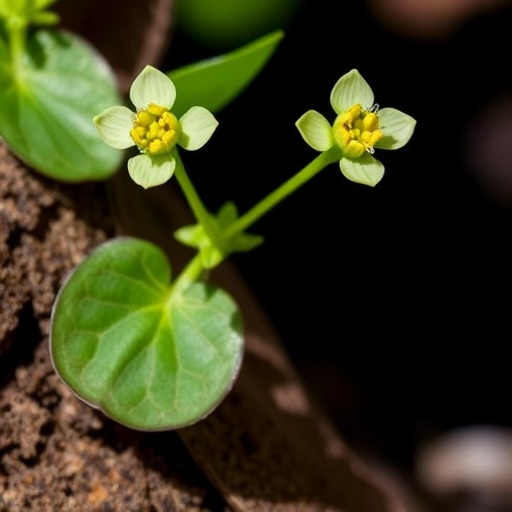
In the heart of the Midlands of Western Oromia, Ethiopia, a unique species known as Tephrosia candida is captivating researchers and environmental enthusiasts alike. Recently, an insightful study published in the journal Discover Forestry by Duguma et al. has thrown light on the ecological adaptations of this intriguing plant. These adaptations are not only vital for its survival in a challenging environment but also hold promising implications for the ecosystem and agricultural practices in the region.
Tephrosia candida is renowned for its nitrogen-fixing capabilities, making it a vital component of the local biodiversity. This remarkable trait allows the plant to convert atmospheric nitrogen into a form that is accessible to other plants, enhancing soil fertility and contributing to sustainable agriculture. The study highlights how this species has evolved various mechanisms to thrive amidst the constraints posed by its surrounding environment. The researchers meticulously documented the morphological and physiological traits of T. candida, shedding light on its resilience in the face of climatic challenges.
The authors of the study conducted extensive field investigations across different ecological zones, collecting data on soil composition, moisture levels, and local flora. This comprehensive approach enabled them to create a nuanced understanding of the factors influencing the growth and distribution of T. candida. Among the findings was the plant’s impressive ability to adapt its root structure in response to varying soil types and moisture conditions, facilitating not just survival, but flourishing in diverse habitats.
One of the striking discoveries was the relationship between T. candida and its microbial associates, especially mycorrhizal fungi. These fungi form symbiotic relationships with the plant’s roots, aiding in nutrient uptake and enhancing the plant’s stress tolerance. The research underscores the importance of these microbial communities, revealing that they play a critical role in the ecological success of T. candida. Their presence seems to correlate positively with the plant’s growth rate and overall health, suggesting that preserving these interactions is crucial for maintaining the vitality of this species.
Furthermore, the study delves into the role of T. candida in combating soil erosion. In regions where deforestation has fluctuated the landscape, this plant acts as a natural barrier, stabilizing soil and reducing runoff. The researchers emphasized the importance of recognizing such ecological functions, advocating for the conservation and intentional planting of T. candida as part of broader reforestation efforts. The findings contribute to a growing body of literature on the benefits of integrating indigenous species into agricultural landscapes as a sustainable practice.
Beyond its ecological significance, T. candida is also poised to impact local livelihoods. The plant is utilized by communities for various purposes, including fodder for livestock and traditional medicinal applications. The research team explored these traditional uses, documenting how local knowledge intersects with ecological science. They found that communities that engaged with T. candida in sustainable ways enjoyed both improved agricultural outcomes and a stronger connection to their local environment.
The adaptability of T. candida underlines broader themes within ecological research concerning resilience and biodiversity. The study presents a case for how we might leverage resilient species in the face of climate change. With many regions already feeling the effects of shifting weather patterns, incorporating robust plants such as T. candida could serve as a buffer against adverse conditions, enhancing food security and ecosystem health.
Observations made during this research highlight the urgent need for proactive conservation strategies tailored to the species’ specific habitat requirements. As the pressures of agricultural expansion and climate change intensify, the survival of T. candida and similar species hangs in the balance. Duguma et al. advocate for policies that prioritize biodiversity conservation, which could foster both ecological balance and economic resilience for communities reliant on agriculture.
As the global community grapples with climate issues, studies like these illuminate the critical links between plants, ecosystems, and human well-being. The scientists call for deeper integration of ecological research within agricultural practices, championing a model rooted in sustainability rather than exploitation. T. candida serves as an exemplary model of how nature can inform us in our quest for harmony with the Earth.
In conclusion, the study of Tephrosia candida by Duguma and colleagues is a timely reminder of the intricate relationships that exist within our ecosystems. Their research not only enhances our understanding of this plant but also serves as a clarion call for the preservation of biodiversity. It is a fascinating exploration into the ways that a single species can impact its environment and communities in profound ways, ultimately advocating for a future where ecological integrity and sustainable development coexist.
As researchers continue to explore the multifaceted contributions of T. candida, it becomes abundantly clear that embracing ecological principles can lead to innovative agricultural practices. By focusing on native and resilient species, we can work towards systems that benefit both our environment and society, ensuring that the lessons gleaned from this remarkable plant stretch far beyond the Midlands of Western Oromia.
Cite Scienmag News
Gavin Prescott. (August 26, 2025). Tephrosia Candida: Ecological Adaptation in Western Oromia. Scienmag. https://scienmag.com/tephrosia-candida-ecological-adaptation-in-western-oromia/
Gavin Prescott. "Tephrosia Candida: Ecological Adaptation in Western Oromia." Scienmag, 26 August 2025, https://scienmag.com/tephrosia-candida-ecological-adaptation-in-western-oromia/. Accessed 4 September 2026.
Gavin Prescott. "Tephrosia Candida: Ecological Adaptation in Western Oromia." Scienmag. August 26, 2025. https://scienmag.com/tephrosia-candida-ecological-adaptation-in-western-oromia/


