


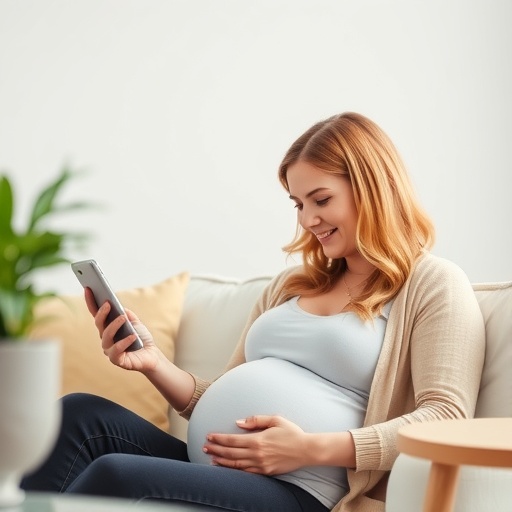
In a groundbreaking study, researchers delve into the promising impact of nursing-led tele-coaching on gestational diabetic women. This innovative approach is positioned as a pivotal intervention that aims to enhance self-efficacy and encourage adherence to healthier lifestyles among this vulnerable demographic. The research meticulously compares the efficacy of tele-nursing against traditional nursing intervention programs, highlighting the transformative potential of modern telehealth solutions in the management of gestational diabetes.
Gestational diabetes mellitus (GDM) poses significant health risks to both mothers and their unborn children. Left unmanaged, it can lead to complications during pregnancy and increase the likelihood of type 2 diabetes in the future. This study aims to address these challenges by leveraging nursing-led tele-coaching to provide ongoing support and education to women diagnosed with GDM. The researchers hypothesize that the increased accessibility of telehealth solutions can result in improved health outcomes.
The study recruited a diverse group of participants, all of whom were diagnosed with gestational diabetes. These women were assigned to two groups: one group received traditional nursing interventions, while the other was subject to the innovative tele-coaching model. The tele-coaching involved regular online consultations, personalized feedback, and the use of digital tools to track dietary habits and physical activity. The goal was to determine which approach yielded better results in terms of lifestyle adherence and self-efficacy.
Evidence suggests that self-efficacy, or one’s belief in their ability to succeed, plays a crucial role in managing chronic conditions such as gestational diabetes. By fostering a supportive and encouraging environment through tele-coaching, the researchers believe that women can develop greater confidence in their ability to manage their health. The tele-nursing model allows for continuous engagement, offering women the chance to ask questions and receive timely advice, consequently reducing feelings of isolation that often accompany diabetes management.
Moreover, the study also emphasizes the significance of personalized care. Traditional nursing methods, while effective, often fall short of addressing the unique needs of each patient. Tele-coaching allows nurses to tailor their approach to the individual, considering factors like lifestyle, dietary preferences, and psychological wellbeing. This level of customization is anticipated to lead to better adherence to lifestyle modifications, as women feel their concerns are heard and addressed.
Throughout the duration of the study, participants engaged in an array of activities designed to promote lifestyle changes. These activities included nutritional counseling, exercise programs, and motivational interviewing techniques. The tele-coaching format provided an interactive platform where participants could share their experiences, celebrate their successes, and learn from one another’s challenges. This communal support system can enhance motivation and accountability, vital components in the journey to better health.
As the intervention progressed, researchers carefully monitored various health metrics, such as blood glucose levels, weight management, and overall wellbeing. Preliminary findings suggest that women participating in the tele-coaching program reported a greater sense of mastery over their health conditions. This increased self-efficacy was linked to noticeable improvements in their diabetes management practices. For instance, tele-coaching participants showed consistent adherence to dietary guidelines and more regular physical activity than their counterparts receiving traditional care.
The implications of this study extend beyond individual participants. The findings suggest that tele-nursing can play a crucial role in public health strategies aimed at managing gestational diabetes at a community level. Improved adherence to lifestyle modifications can lead to reduced healthcare costs associated with managing diabetes and its related complications. Furthermore, the scalability of telehealth interventions poses an opportunity for health systems to reach a broader audience, particularly in underserved areas.
Despite the encouraging results, the study also acknowledges the challenges faced in implementing tele-coaching on a wider scale. Issues such as technological access, digital literacy, and the need for training healthcare providers in effective tele-health practices must be addressed to maximize the potential of this model. Nonetheless, the enthusiasm surrounding tele-coaching as an adjunctive therapy is palpable among researchers and healthcare professionals alike.
Future research is recommended to further explore the long-term effects of tele-coaching on health outcomes for gestational diabetes. Additionally, studies examining the integration of technological advancements, such as artificial intelligence and wearable health devices, could provide further insights into enhancing tele-nursing interventions. Such innovations could lead to even more personalized and effective care strategies.
In conclusion, nursing-led tele-coaching represents a significant advancement in the management of gestational diabetes. By merging traditional care practices with the conveniences of modern technology, this innovative approach fosters an environment where gestational diabetic women can thrive. With the potential to revolutionize maternal healthcare, the findings from this study underscore the importance of embracing telehealth solutions in the fight against chronic conditions such as GDM. This transformative approach not only empowers women but also sets a precedent for the future of nursing and patient care.
With telehealth gaining traction, the success of this study could serve as a blueprint for future interventions across various chronic health conditions. As healthcare continues to evolve in response to technological advancements, the integration of effective, patient-centered methodologies will be crucial in enhancing the quality of life for patients navigating their health challenges.
Overall, the research outlines not just an innovative intervention but also a clarion call for stakeholders in healthcare to recognize the potential of tele-nursing as a tool for empowering patients and improving health outcomes.
Additional Information:
El-Hamid, S.M.A., EL-Said, F.M., El-kest, H.R.A. et al. Nursing-led tele-coaching for enhancing self-efficacy and lifestyle adherence among gestational diabetic women: tele-nursing versus traditional nursing intervention program.
BMC Nurs (2026). https://doi.org/10.1186/s12912-026-04290-y
Cite Scienmag News
Harold Sullivan. (January 29, 2026). Tele-Coaching Boosts Self-Efficacy in Gestational Diabetes. Scienmag. https://scienmag.com/tele-coaching-boosts-self-efficacy-in-gestational-diabetes/
Harold Sullivan. "Tele-Coaching Boosts Self-Efficacy in Gestational Diabetes." Scienmag, 29 January 2026, https://scienmag.com/tele-coaching-boosts-self-efficacy-in-gestational-diabetes/. Accessed 4 September 2026.
Harold Sullivan. "Tele-Coaching Boosts Self-Efficacy in Gestational Diabetes." Scienmag. January 29, 2026. https://scienmag.com/tele-coaching-boosts-self-efficacy-in-gestational-diabetes/


