

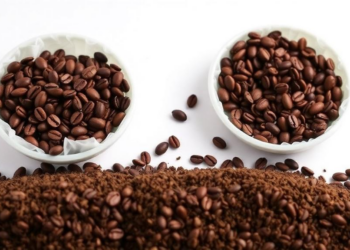
Two-Stage Fermentation Turns Spent Coffee Grounds into Yeast Biomass and Active Hydrogenases
A two-stage fermentation process converts spent coffee grounds into ethanol, bacterial biomass and active -hydrogenases using yeast and E. coli.
A two-stage fermentation process converts spent coffee grounds into ethanol, bacterial biomass and active -hydrogenases using yeast and E. coli.
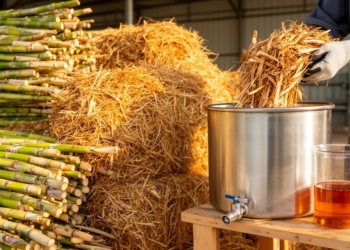
Aqueous extract of untreated sugarcane bagasse was optimized for fermentation with Saccharomyces cerevisiae MTCC 180, yielding 0.342 g/100 mL ethanol ...
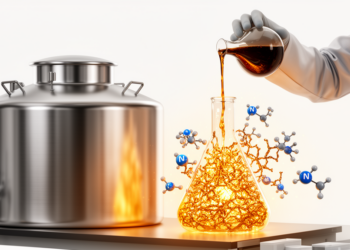
Researchers converted biogas digestate into nitrogen-enriched artificial humic acid via hydrothermal humification, with biogas slurry as the reaction medium boosting ...
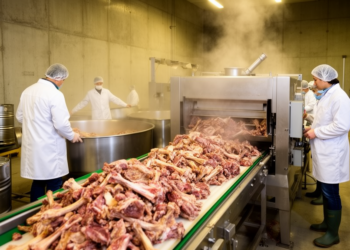
A narrative review finds that Kazakhstan generates over 800,000 tonnes of animal by-products annually but processes only a small portion, ...
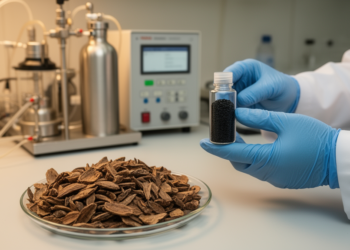
Nitrogen-doped activated carbon made from palmyrah kernel shell waste captured up to 242.9 milligrams of CO2 per gram at 0 ...
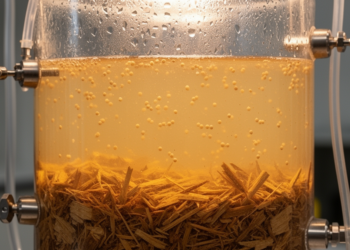
A laboratory study using Saccharomyces cerevisiae MTCC 180 found that optimized sucrose, ammonium sulfate and potassium chloride raised ethanol concentration ...
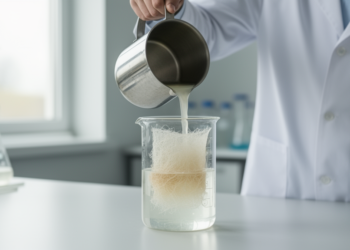
A laboratory study found that peptide-modified nanocellulose made from dairy sludge and crustacean waste achieved reported removal efficiencies of 97.80% ...
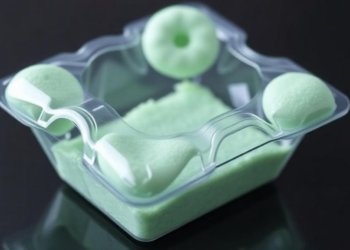
An editorial in Frontiers in Soft Matter argues that sustainable, active food packaging depends on multiscale organization, engineered interfaces, and ...
Researchers used adaptive genetic and particle swarm-optimized neural networks to convert oil-based drilling cuttings into Na-X zeolite with record ammonia ...
A systematic review of 116 studies reveals that coffee-industry residues can be converted into biogas, biochar, and biofuels through pyrolysis ...


Embark on a thrilling journey of discovery with Scienmag.com—your ultimate source for cutting-edge breakthroughs. Immerse yourself in a world where curiosity knows no limits and tomorrow’s possibilities become today’s reality!