


Ets-1 Gene Deficiency Drives Spontaneous Skin Depigmentation in Mouse Model
Knockout of the transcription factor Ets-1 in mice causes spontaneous vitiligo-like depigmentation and significant downregulation of key melanogenesis genes.
Knockout of the transcription factor Ets-1 in mice causes spontaneous vitiligo-like depigmentation and significant downregulation of key melanogenesis genes.

An engineered probiotic synthesizing melanin in the intestine relieved colitis-linked anxiety and depression in experimental models by regulating microglial tryptophan ...

Researchers have developed the Human Pigmentation Database, an open-access platform cataloging thousands of genetic variants across hundreds of human pigmentation ...

A defined three-species bacterial consortium decolorized 98 percent of the cobalt-complex dye Acid Red 182 and removed coordinated cobalt under ...

Engineered type III binuclear copper enzymes from Bacillus megaterium catalyze unnatural enantioselective radical halogenation and pseudohalogenation reactions.

A new review details how transparent, genetically similar zebrafish enable real-time study of melanogenesis and human pigmentation disorders.

A new cell study shows that the metabolic signaling protein IRS-1 promotes melanin production through droplet-forming phase separation, linking growth ...
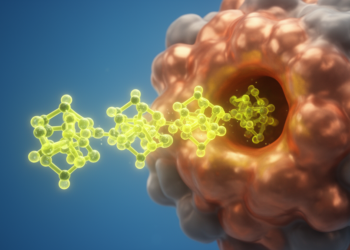
A newly synthesized bis-coumarinyl methane derivative, 14e, inhibits tyrosinase more potently than kojic acid in laboratory and computational studies.

Deep in the Brazilian cerrado, a gnarled tree known locally as marolo or araticum has long been a fixture of ...

Scientists used solid acid catalysis to create sesamol- and asarinin-enriched sesame oils that inhibited melanin production and accelerated wound repair ...


Embark on a thrilling journey of discovery with Scienmag.com—your ultimate source for cutting-edge breakthroughs. Immerse yourself in a world where curiosity knows no limits and tomorrow’s possibilities become today’s reality!