

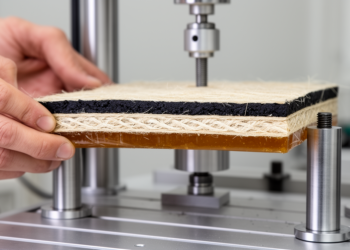
Three-layer sisal-biochar epoxy laminate achieves 88.1 MPa tensile strength
A laboratory laminate containing three sisal mat layers and 5 wt% sisal-derived biochar recorded 88.1 MPa tensile strength and 132.10 ...
A laboratory laminate containing three sisal mat layers and 5 wt% sisal-derived biochar recorded 88.1 MPa tensile strength and 132.10 ...
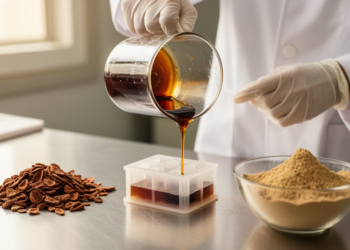
An abstract-described laboratory study found that jujube-seed particle content produced distinct changes in the strength, wear, erosion, water absorption and ...
A new review in the Journal of Materials Science maps how sustainable biomass-derived carbon aerogels could replace heavy conventional microwave ...
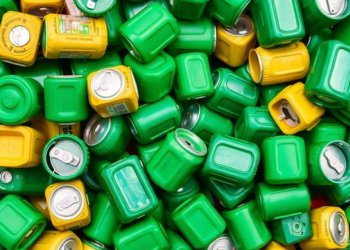
Researchers have converted post-consumer Tetra Pak cartons into a cellulose-rich filler that partially replaces carbon black in natural rubber, improving ...
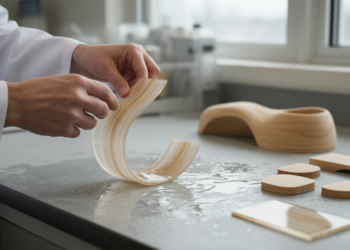
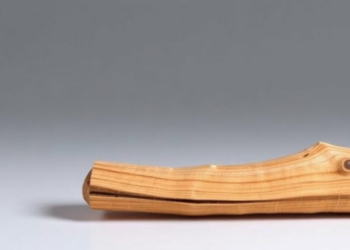
Researchers have transformed natural wood into a strong, moldable and water-resistant material through a room-temperature hydroplasticization process that could replace ...
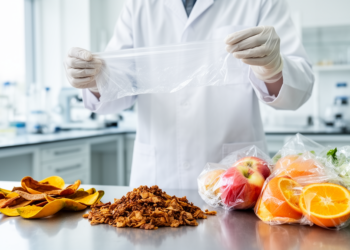
A new review maps three strategies for turning fruit peels, pomace, and seeds into biodegradable, active food packaging, revealing critical ...
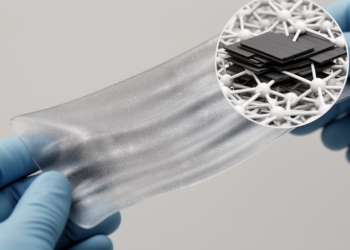
A new review highlights how MXene-cellulose composites combine electrical conductivity with biocompatibility for wound dressings and wearable health sensors, while ...
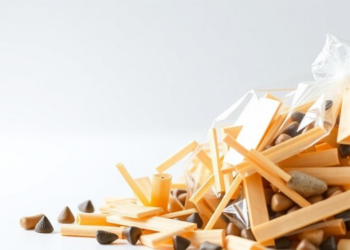
A comprehensive new review maps the full pathway of biomass-derived nanocellulose from agricultural waste extraction through green processing to advanced ...

Researchers exfoliated molybdenum disulfide using aqueous extracts of three medicinal plants, producing few-layer, semiconducting nanomaterials under mild conditions.
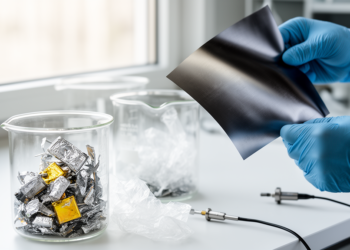
Researchers co-pyrolyzed spent lithium-ion battery cathodes and plastic waste into defect-engineered carbon nanotube absorbers that block microwaves at ultrathin thicknesses.


Embark on a thrilling journey of discovery with Scienmag.com—your ultimate source for cutting-edge breakthroughs. Immerse yourself in a world where curiosity knows no limits and tomorrow’s possibilities become today’s reality!