

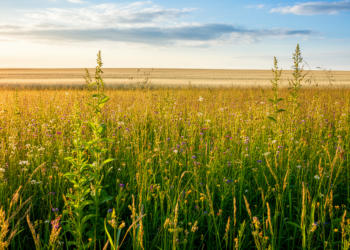
Losing Plant Diversity Could Cut Grassland CO₂ Uptake by 15 Percent by 2050
A new PNAS modeling study from PIK and Kiel University finds that losing plant diversity could cut global grassland CO₂ ...
A new PNAS modeling study from PIK and Kiel University finds that losing plant diversity could cut global grassland CO₂ ...
A long-term grazer-exclusion experiment in the Trans-Himalaya reveals that large mammalian herbivores shape the seasonal deployment of microbial extracellular enzymes, ...
A new study of Inner Mongolian desert grasslands shows that heavy grazing erodes soil microbial diversity and produces complex but ...
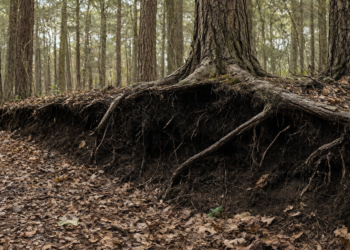
A new study in Forest Ecosystems reveals that maturing temperate forests redistribute soil carbon rather than simply storing more, with ...
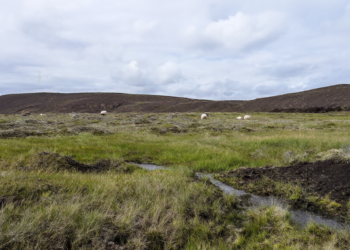
A new study in Global Change Biology Communications reveals that sustained livestock grazing enhances soil organic carbon storage in sub-arctic ...
A new isotope-tracing study finds that mucus-like microbial secretions contribute to stable mineral-associated soil carbon at rates rivaling dead microbial ...
A new experiment shows that realistic heatwave temperatures reshape the traits of soil saprotrophic fungi in highly species-specific ways.
The Salk Institute has received an $18 million Bezos Earth Fund grant for its three-year ROOTS project, which will use ...
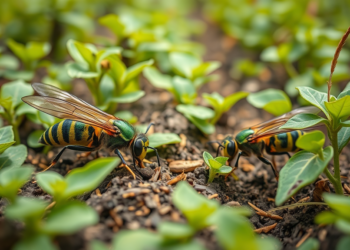
New research shows that combining intensified push–pull cropping with insect frass biofertilization can raise land productivity, increase protein yields and ...
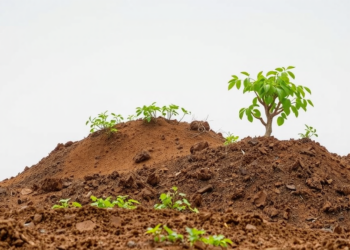
A new field study in semi-arid southern India shows forest soils emit up to thirty times more CO₂ than fallow ...


Embark on a thrilling journey of discovery with Scienmag.com—your ultimate source for cutting-edge breakthroughs. Immerse yourself in a world where curiosity knows no limits and tomorrow’s possibilities become today’s reality!