

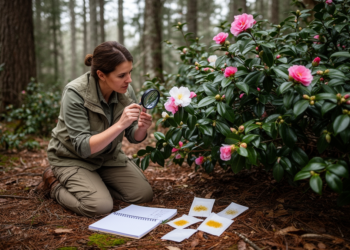
Botanists Merge Two Camellia Species and Confirm a Third Using Genomes, Pollen and Fieldwork
An integrative study of Camellia species from section Tuberculata synonymizes Camellia zengii with C. lipingensis while confirming C. rhytidocarpa as ...
An integrative study of Camellia species from section Tuberculata synonymizes Camellia zengii with C. lipingensis while confirming C. rhytidocarpa as ...

A new review synthesizes fire scars, sediment cores, phytoliths and archaeological finds to conclude that Indigenous cultural burning maintained Central ...
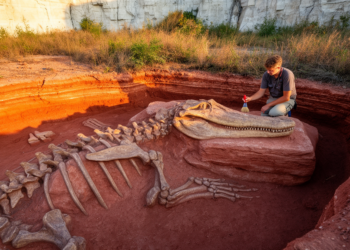
A phytosaur osteoderm from a late middle Rhaetian bone bed in Bonenburg, Germany, dated to about 203.5 million years ago, ...
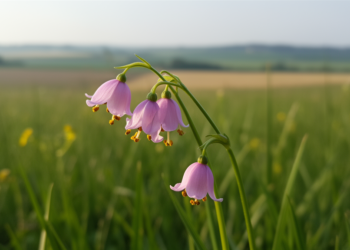
Fossil pollen from a wetland core in the Friuli Venezia Giulia plain shows the cold-adapted twinflower Linnaea borealis survived in ...

New dinoflagellate cyst analyses date the Gisliflue Reef and its echinoderm breccia to the Early Bajocian Humphriesianum Zone, refining the ...
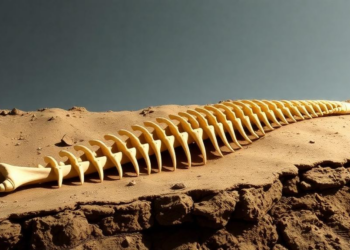
A reanalysis of the famous Niederschönthal bone bed in northern Switzerland shows it formed on a muddy Rhaetian coastal plain ...

A sampling-standardized analysis of fossil spore-pollen records shows that the two great pulses of land plant turnover in the past ...
Researchers have built a two-step deep learning pipeline that detects and classifies biostratigraphically important Devonian miospores from Armenia with high ...
A new microscopic study of Türkiye's endemic knapweed Centaurea kirmacii reveals distinctive anatomical and pollen characters that strengthen its status ...
An 860-meter drill core from Brazil's Acre Basin captures a latest Miocene to Pliocene river system whose sediments and pollen ...


Embark on a thrilling journey of discovery with Scienmag.com—your ultimate source for cutting-edge breakthroughs. Immerse yourself in a world where curiosity knows no limits and tomorrow’s possibilities become today’s reality!